2001.04.07 Italy Travel Diary: the Leaning Tower of Pisa
Before wrapping up the three-day Florence and Rome trip, we made a special detour to see the world-famous Leaning Tower of Pisa.
This itinerary was already packed. Florence and Rome had been covered at a fairly quick pace, and Pisa was the classic final add-on: since we were already nearby, of course we had to see that famous tilted tower in person.
A Detour to Pisa
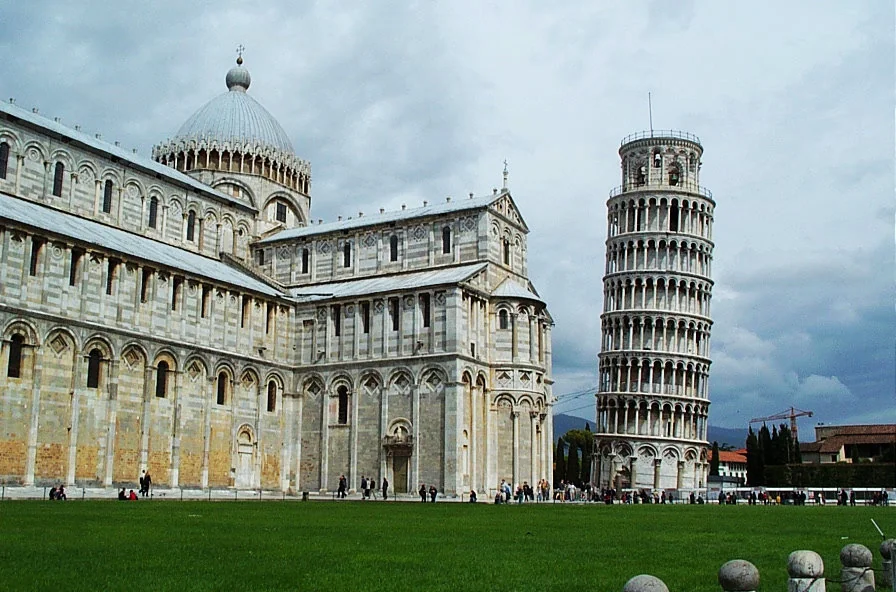
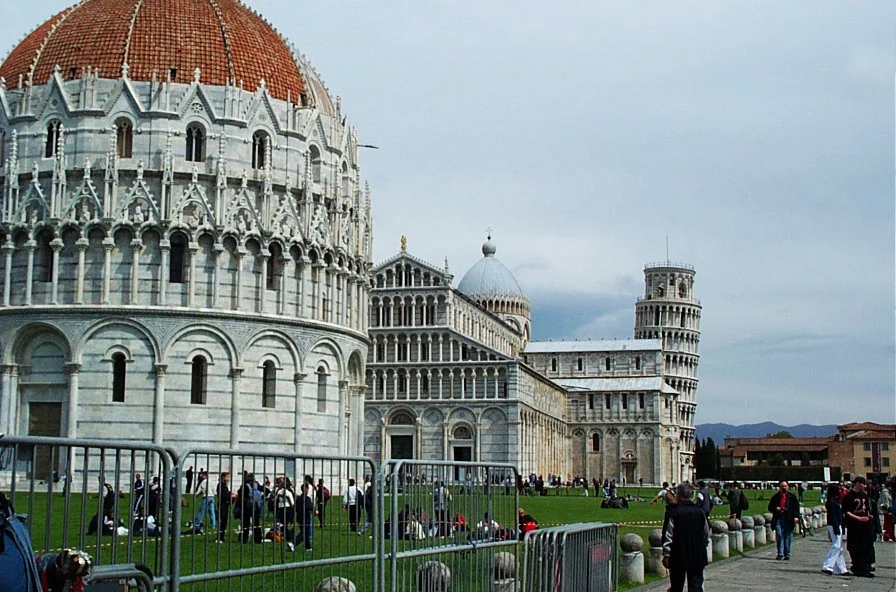
The Leaning Tower of Pisa is the freestanding bell tower of Pisa Cathedral. It stands behind the cathedral and is one of the three main buildings in Piazza dei Miracoli.
Construction began in 1173. It was, naturally, designed to stand upright. But not long after work began, uneven foundations and soft ground caused the tower to lean toward the southeast. It was finally completed in 1372, almost two hundred years later.
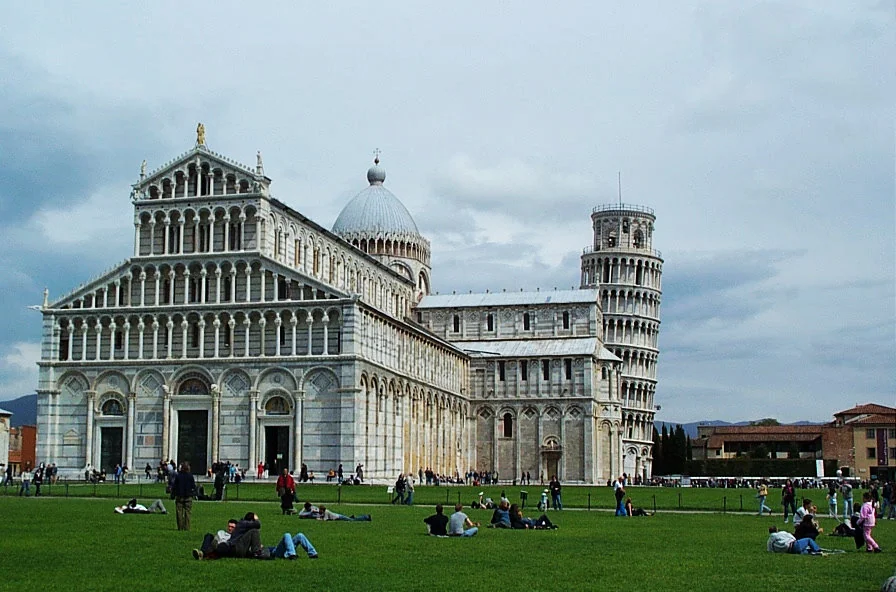
In 1987, the tower, cathedral, baptistery, and cemetery were listed together as a UNESCO World Heritage Site. Most visitors come for the word "leaning," but the white buildings across the square really do leave a strong impression.
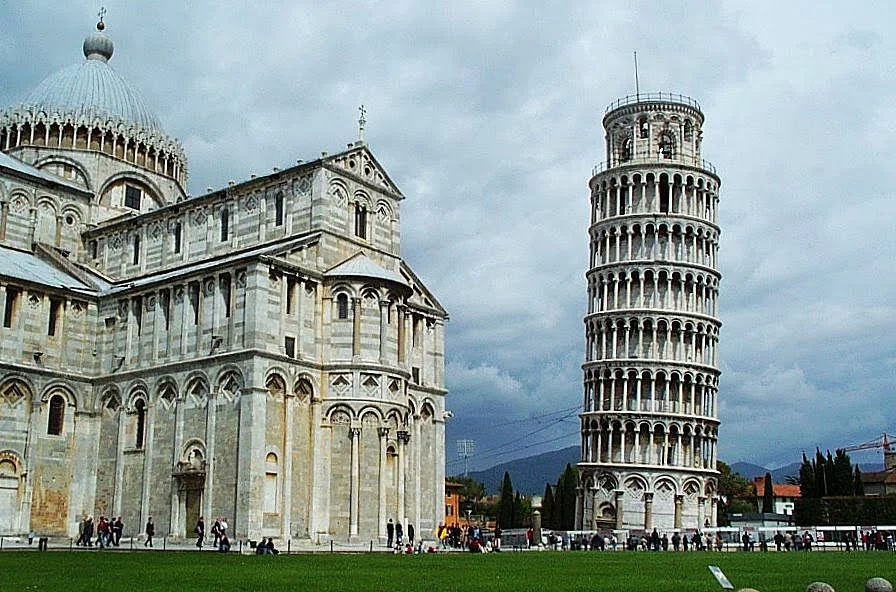
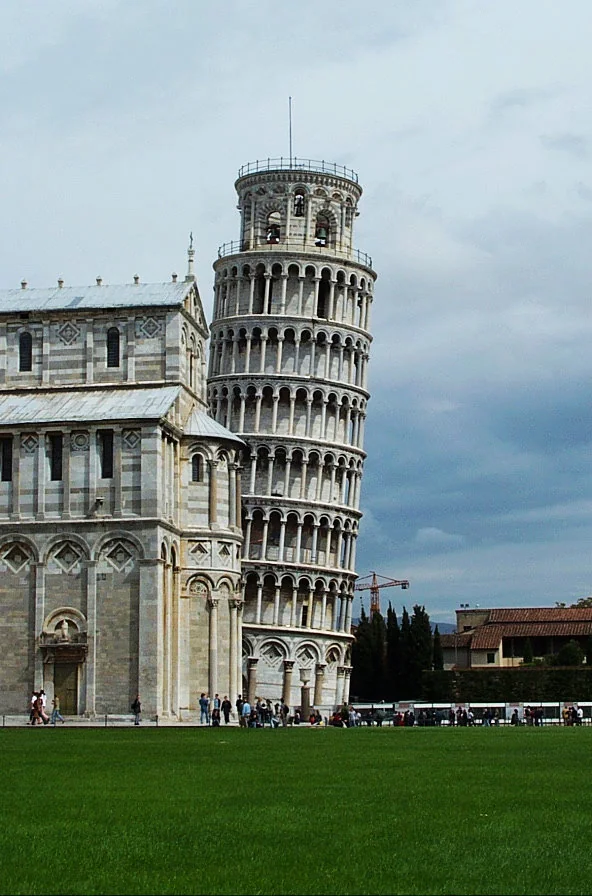
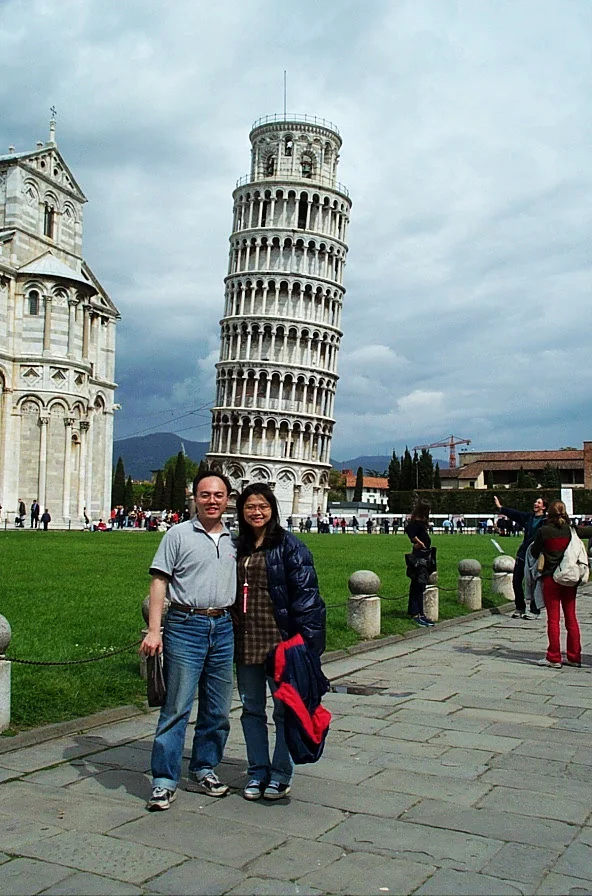
The interesting part on site is still that feeling of "it really is leaning." You can take many photos, but standing in front of it makes it much easier to understand why this became one of those must-see tourist stops.
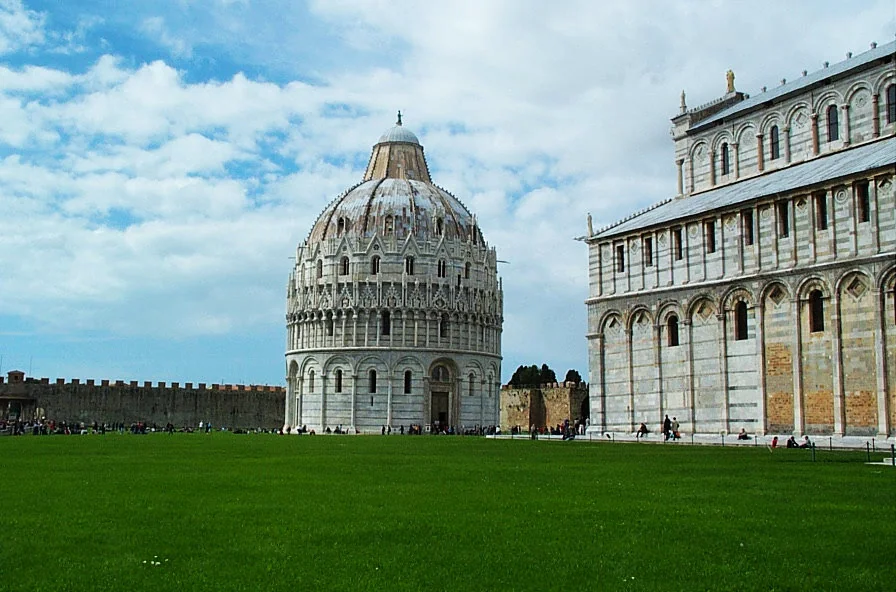
A Quick Visit Is Still a Kind of Travel
Construction of the cathedral bell tower began in August 1173. The work was interrupted twice for long periods, and the tower took roughly two centuries to finish. The original design was an eight-story, 54.8-meter tower; even without the tilt, this white medieval bell tower would still have been a notable building in Europe.
In 1185, when construction reached the fourth level, the tower was already leaning toward the southeast, so work stopped. Later builders tried various ways to correct the tilt, even building the upper levels slightly in the opposite direction to compensate for the shifted center of gravity. The bell chamber was finally completed in 1372.
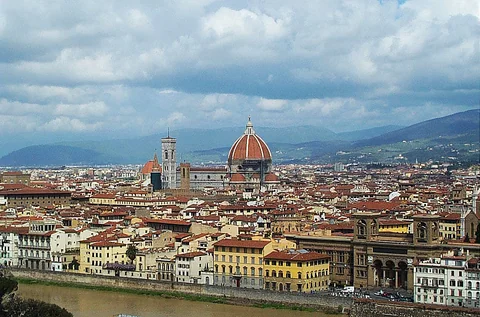
In three days, we covered Florence, Rome, and this extra detour to Pisa. Honestly, it was mostly a quick sweep.
Many museums and galleries were passed by without going in. Some people may wonder: after coming all this way, why not go inside?
First, many famous museums, galleries, and churches limit daily visitors, so reservations are often needed.
Second, tickets are usually not cheap. If you are not especially interested in certain paintings or artworks, or do not know much about them, going in can become: "Oh... I came here... what did I see? Hmm... many things people say are famous..."
Third, seeing famous artworks in person can indeed be moving, especially when standing inside a church and looking at huge frescoes. But that also takes time to appreciate slowly.
So, although these three days were not a deep exploration of the cities, walking through old streets and unexpectedly finding works or places connected to historical figures still brought moments of joy that can be remembered for a long, long time.
Original publication date: 2001-04-07
Revised: 2026-06-18
View original Blogger version