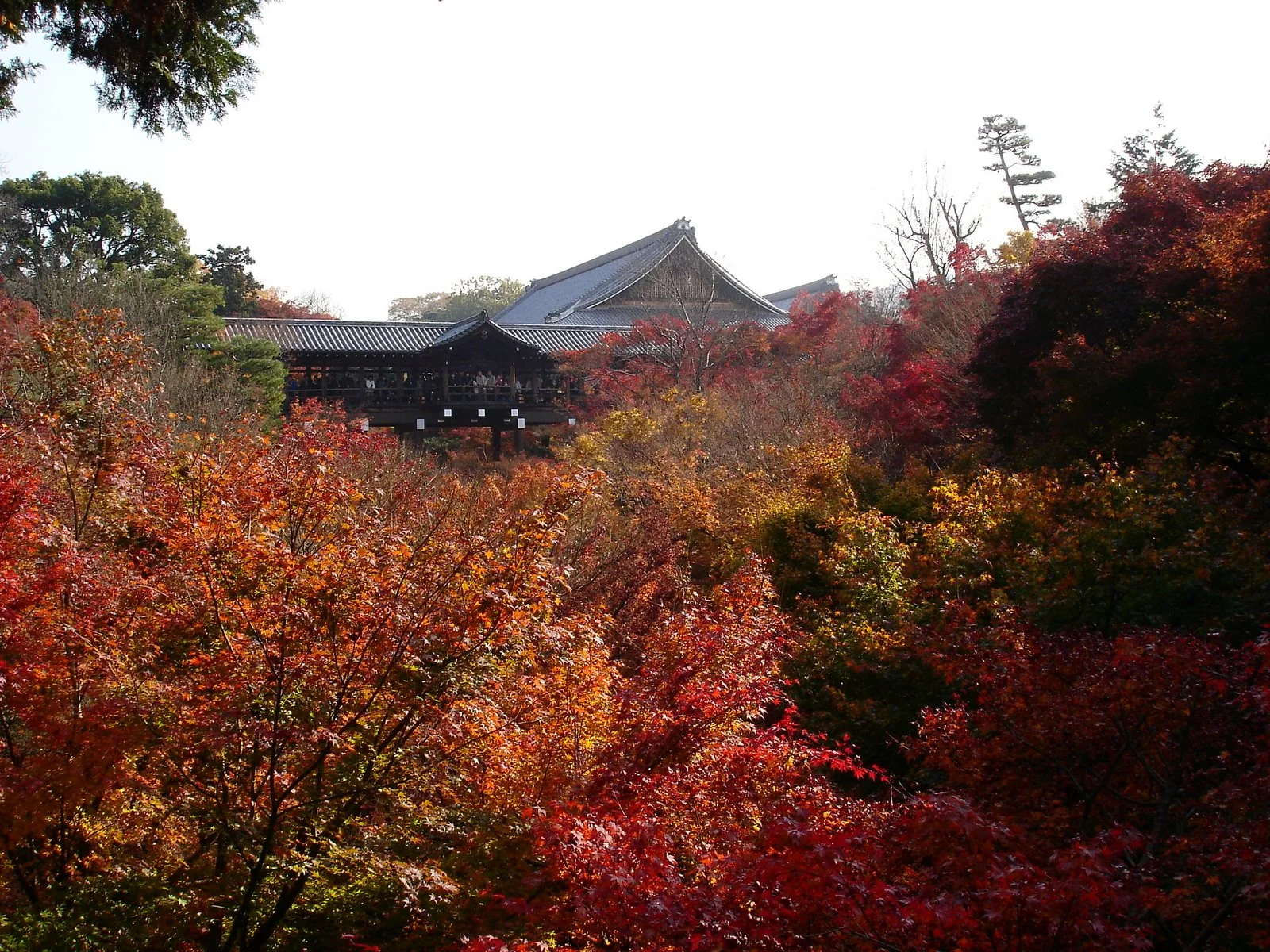
December 2, 2006. Day 5 of the Kyoto autumn leaves family trip was centered on Tofuku-ji.
By the fifth day, I realized this trip was never really about packing the schedule. From Kiyomizu-dera, Kinkaku-ji, Jojakko-ji, Nara Deer Park, Todai-ji, Komyo-ji, and Ginkaku-ji to Tofuku-ji, we had only visited eight places. But walking slowly, looking at the leaves, and letting Kyoto's pace stretch out a little was exactly why we had come.
I had been to Tofuku-ji before, so this was a return visit. Still, the same place can feel different depending on the season, the people with you, and the mood of the day. In autumn, Kyoto has a way of repainting familiar paths with red leaves, especially near temples and the edge of the hills.
Returning to Tofuku-ji for the Leaves
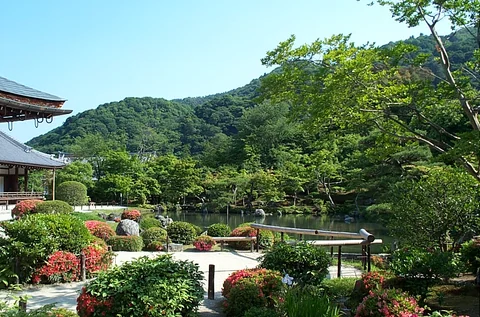
Tofuku-ji sits near the foothills not far from central Kyoto, and it is one of the city's well-known autumn-leaf spots. The part that stays in memory is the area around Tsutenkyo Bridge and the Sengyokukan valley. A small stream runs through the temple grounds, maple trees line both sides, and in autumn the valley and bridge area turn into a wide field of red.
My impression of Tofuku-ji that day was not simply "another sightseeing stop completed." It was the feeling of looking down from higher ground and seeing the leaves spread toward the temple rooftops. The temple itself is large, and I noted at the time that it covers about 17 hectares, is the head temple of the Tofuku-ji school of Rinzai Zen, and is counted among the Kyoto Gozan temples. For us that day, though, those facts mainly gave the photos a sense of place. What stayed in the memory was the bridge, the valley, the red leaves, and the space between the crowds.
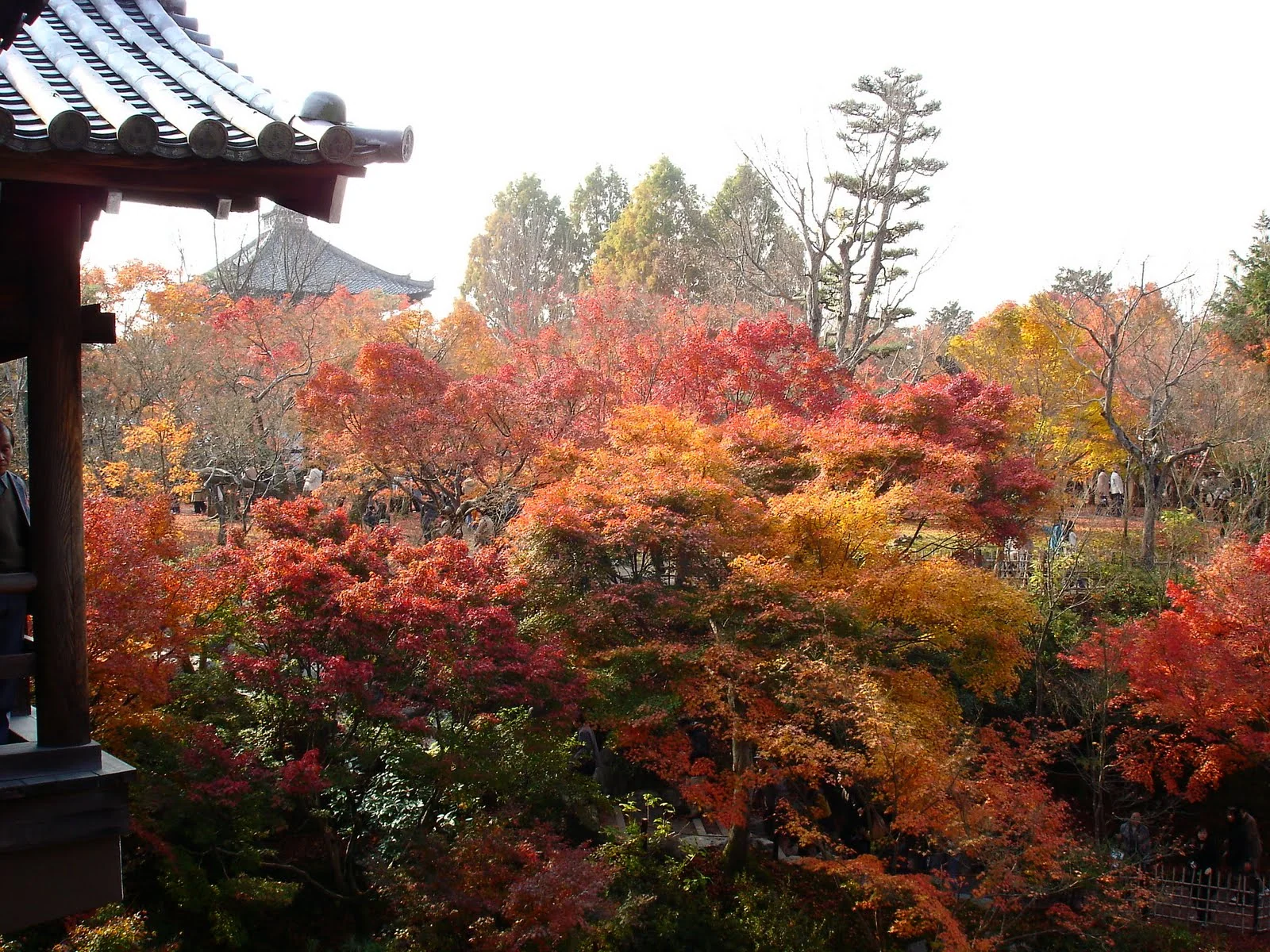
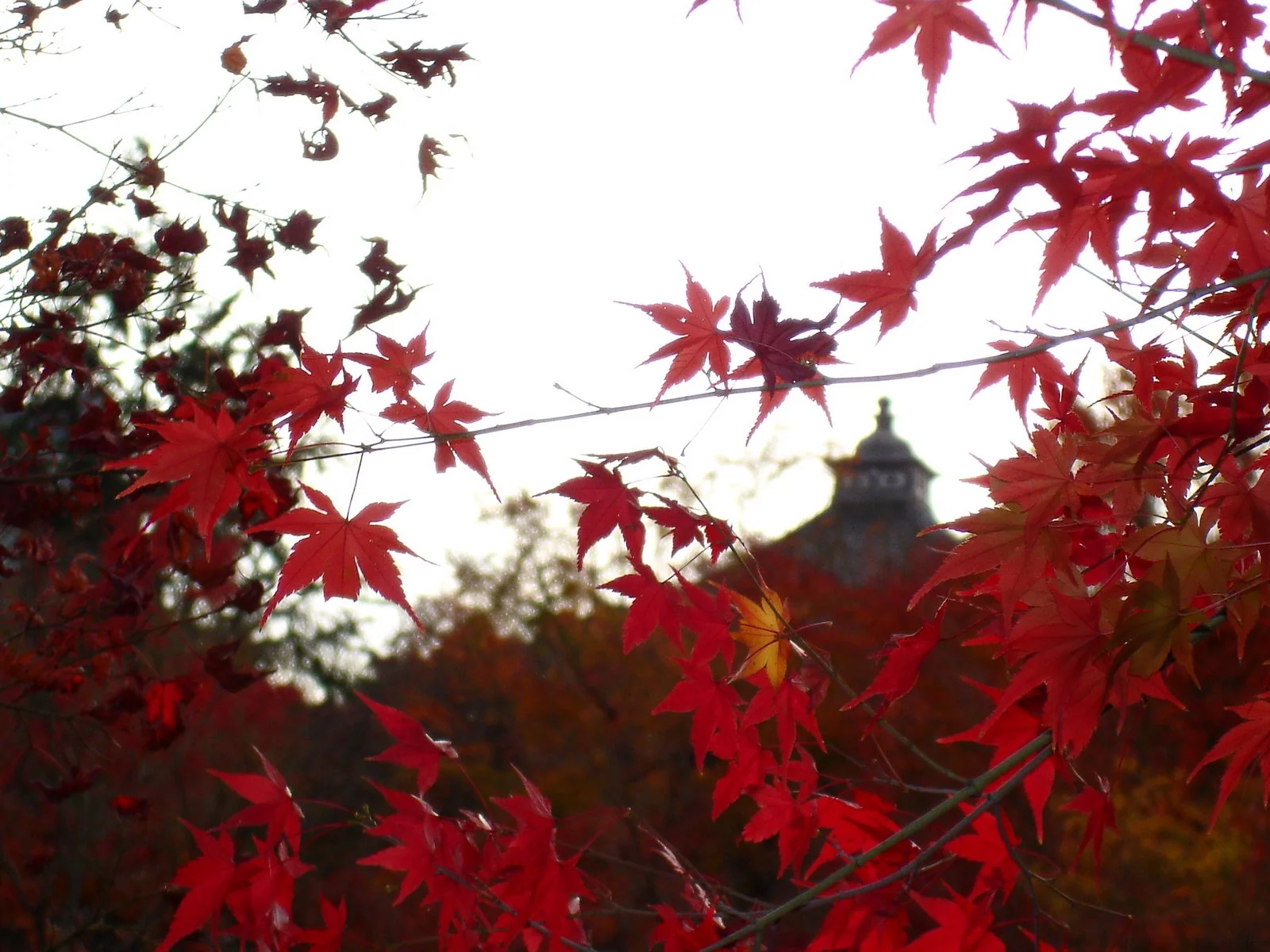
From another angle, the autumn leaves were not just a distant patch of color. The rooflines, branches, sunlight, and temple buildings layered together, giving the scene more depth. Even on a second visit, it was hard not to keep taking photos, because every viewpoint looked a little different.
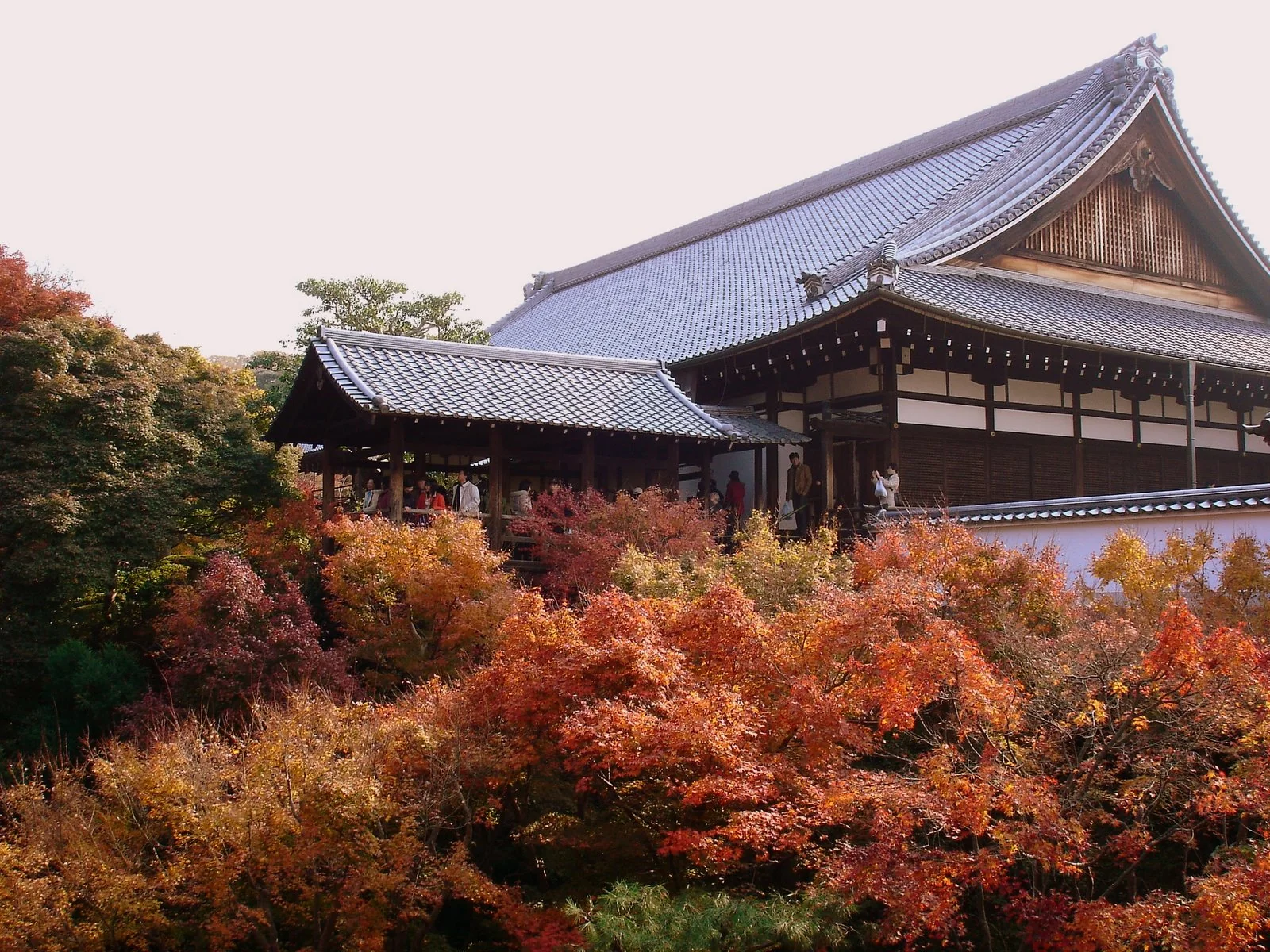
The maple leaves behind the temple buildings also became one of the typical images from this stop. More than the architecture itself, I remember how the red leaves wrapped around the rooftops and paths. Walking through that kind of scene naturally slows you down.
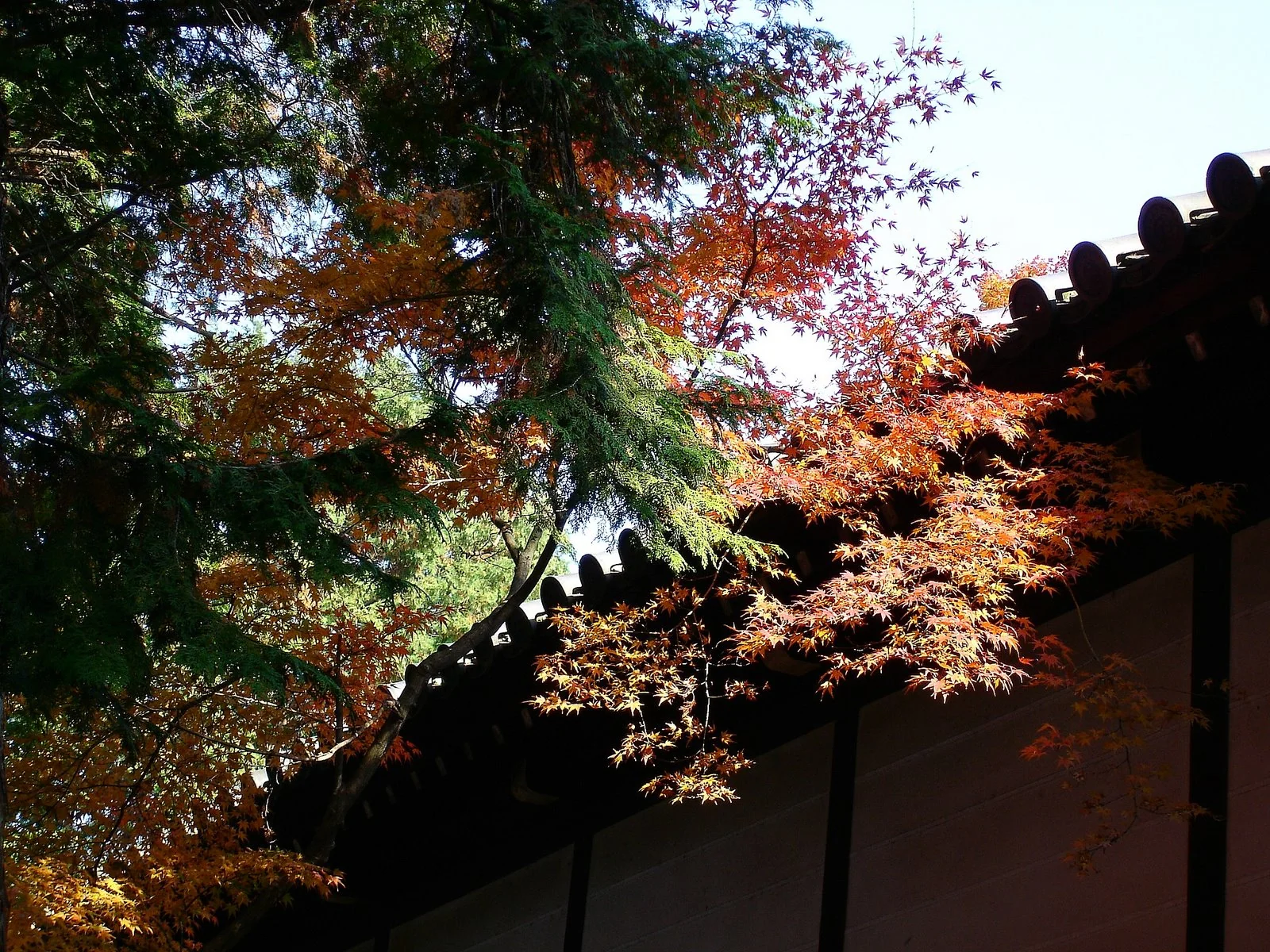
Some photos did not come with a big event. I simply looked up, saw the leaves lit by the sun, and pressed the shutter. Those quiet "nothing much happened" moments feel very close to the rhythm of walking through Kyoto.
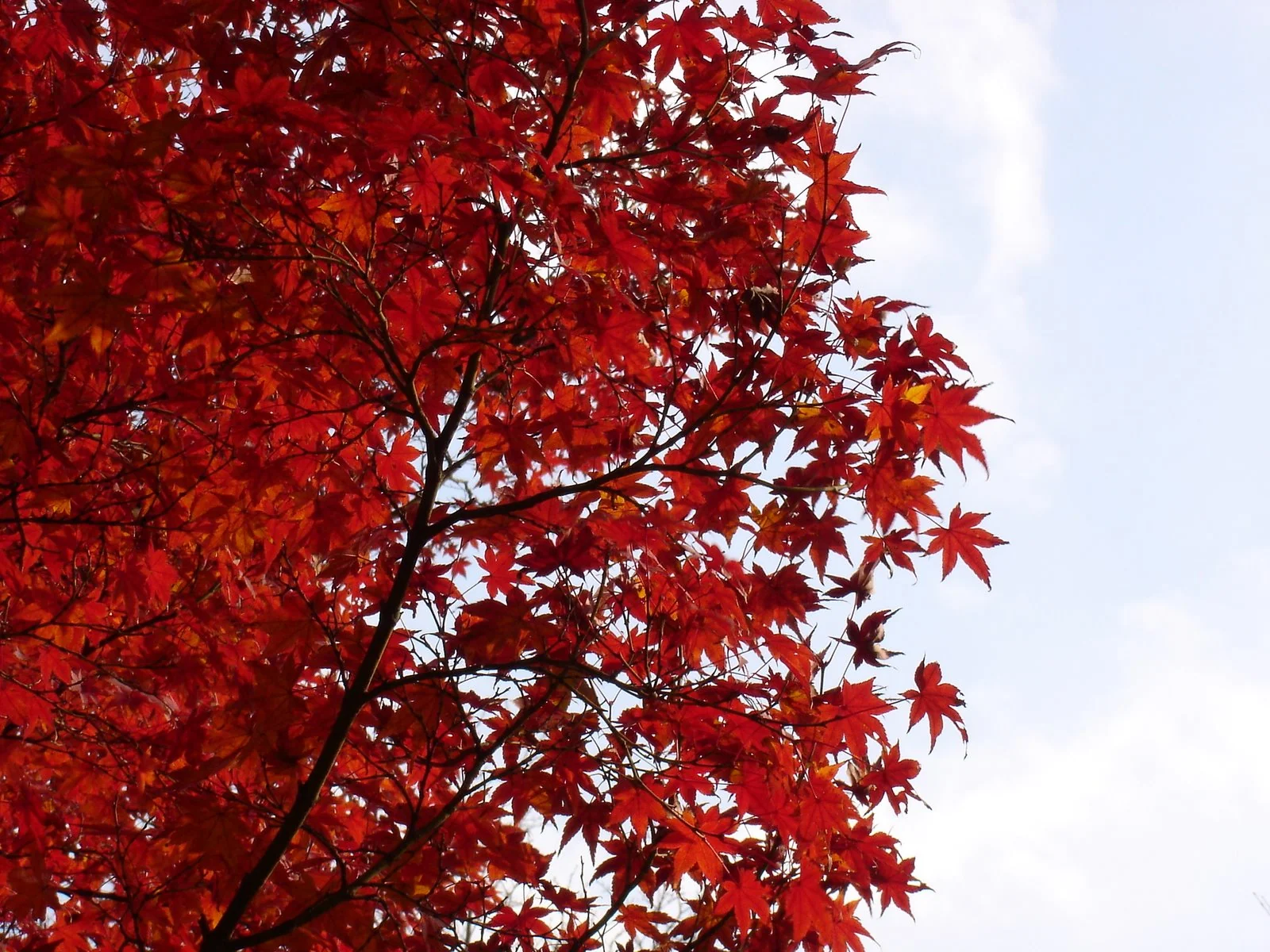
This one was just about the maple leaves themselves. By Day 5, we had already seen plenty of autumn color, but whenever the leaves looked this good, I still felt: yes, coming to Kyoto in autumn was the right choice.
A Walk Through Ninen-zaka and Sannen-zaka
After leaving Tofuku-ji, we still had a little time, so we got off near Kiyomizu-michi and walked around Ninen-zaka and Sannen-zaka. This part was not tightly planned. It felt more like giving the rest of the afternoon back to Kyoto and seeing what would happen.
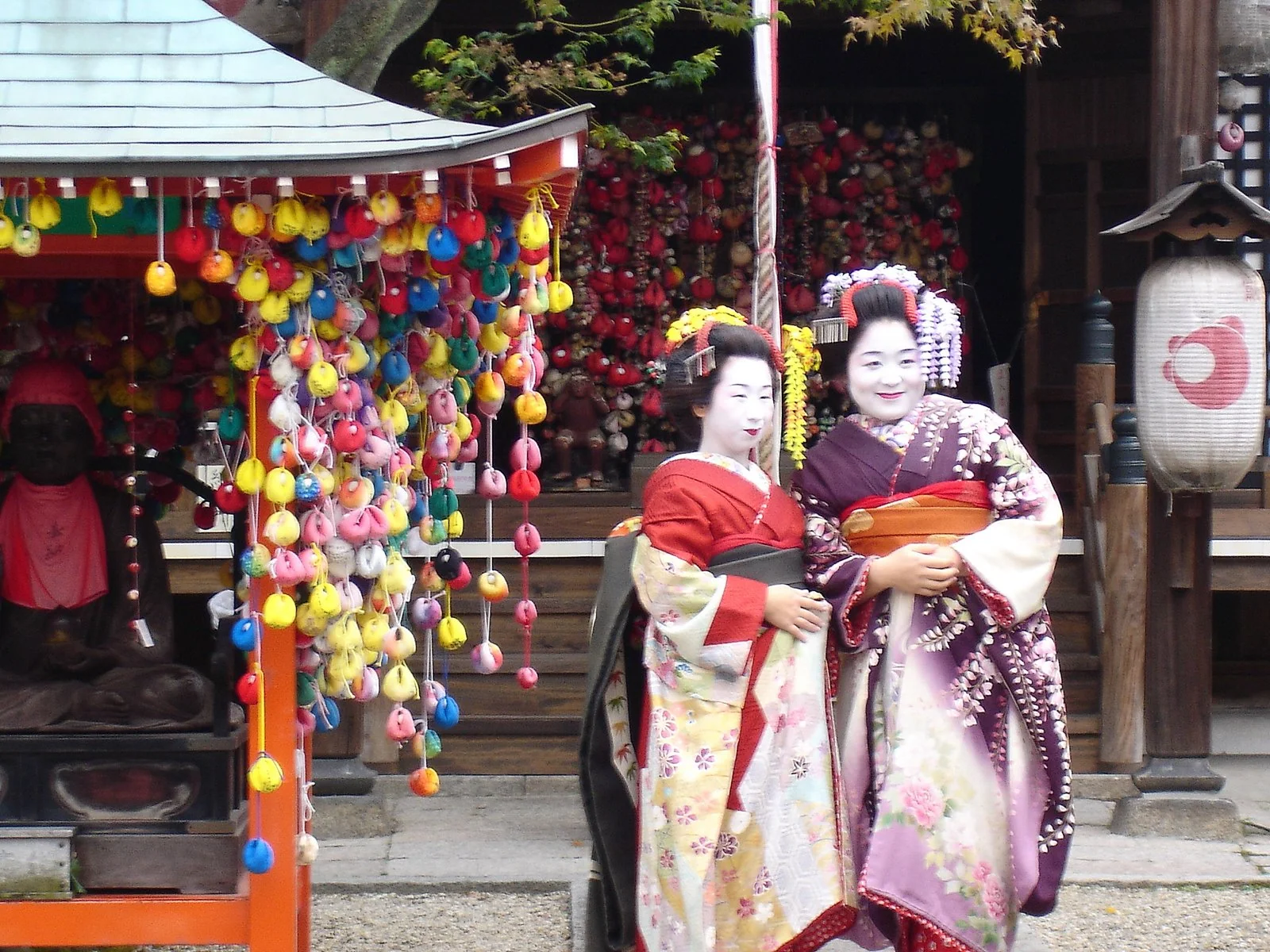
Then, near Gion, we happened to see geiko out on the street. It was not a scheduled highlight, but it was exactly the kind of small surprise that wakes you up during a trip: one moment we were just walking, and the next moment a very Kyoto scene appeared right in front of us.
Five Days Later, Apparently Everything Was a Temple
Most of the places on this trip were revisits, but each visit still felt different. Kyoto is unlike other big cities in Japan; walking through its streets has a relaxed feeling of its own~
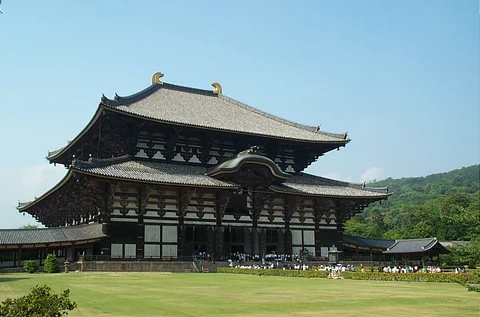
In five days, we had only visited eight places: Kiyomizu-dera, Kinkaku-ji, Jojakko-ji, Nara Deer Park, Todai-ji, Komyo-ji, Ginkaku-ji, and Tofuku-ji. On a schedule sheet, that might not look like much. But that was exactly the point of the trip: "a relaxed walk"~
Only while writing this did I suddenly realize: wait, how did everything turn out to be temples...am I getting old too? @.@'" But then again, all of those places are famous autumn-leaf spots~~
Sharing the itinerary here for anyone interested~
Kyoto Autumn Leaves Family Trip Series
Kyoto Autumn Leaves Family Trip Day 1: Kiyomizu-dera Kyoto Autumn Leaves Family Trip Day 2: Kinkaku-ji and Arashiyama Kyoto Autumn Leaves Family Trip Day 3: Nara Deer Park, Todai-ji, and Nigatsu-do Kyoto Autumn Leaves Family Trip Day 4: Komyo-ji in Nagaokakyo and Ginkaku-jiKyoto Autumn Leaves Family Trip Day 5: Tofuku-ji
Full Photo Gallery
Previewing up to 8 album photos. Open the gallery to browse all photos.
Originally published: 2006-12-18
Revised: 2026-07-16
View the original Blogger post