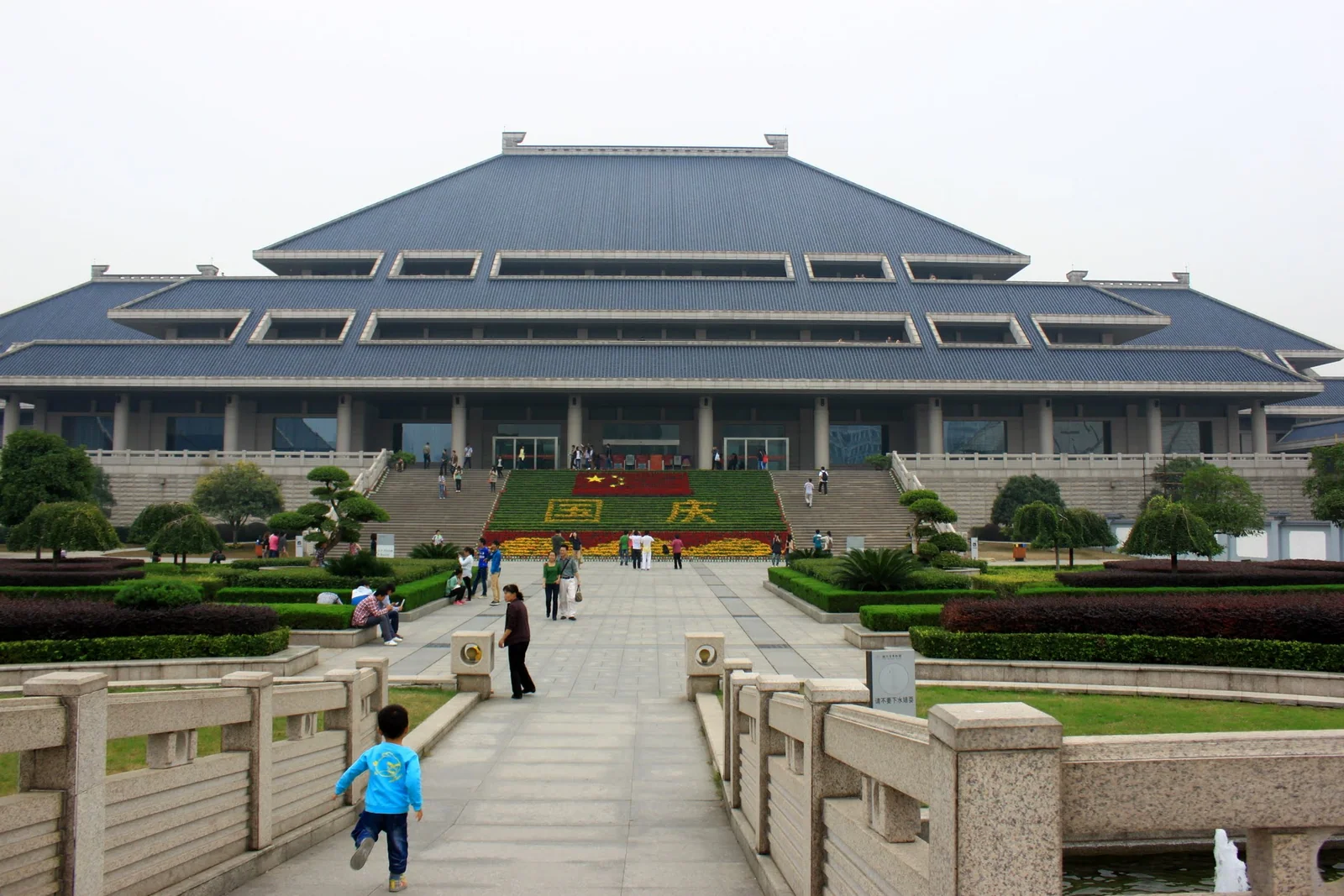
October 13, 2012. Wuhan. Hubei Provincial Museum.
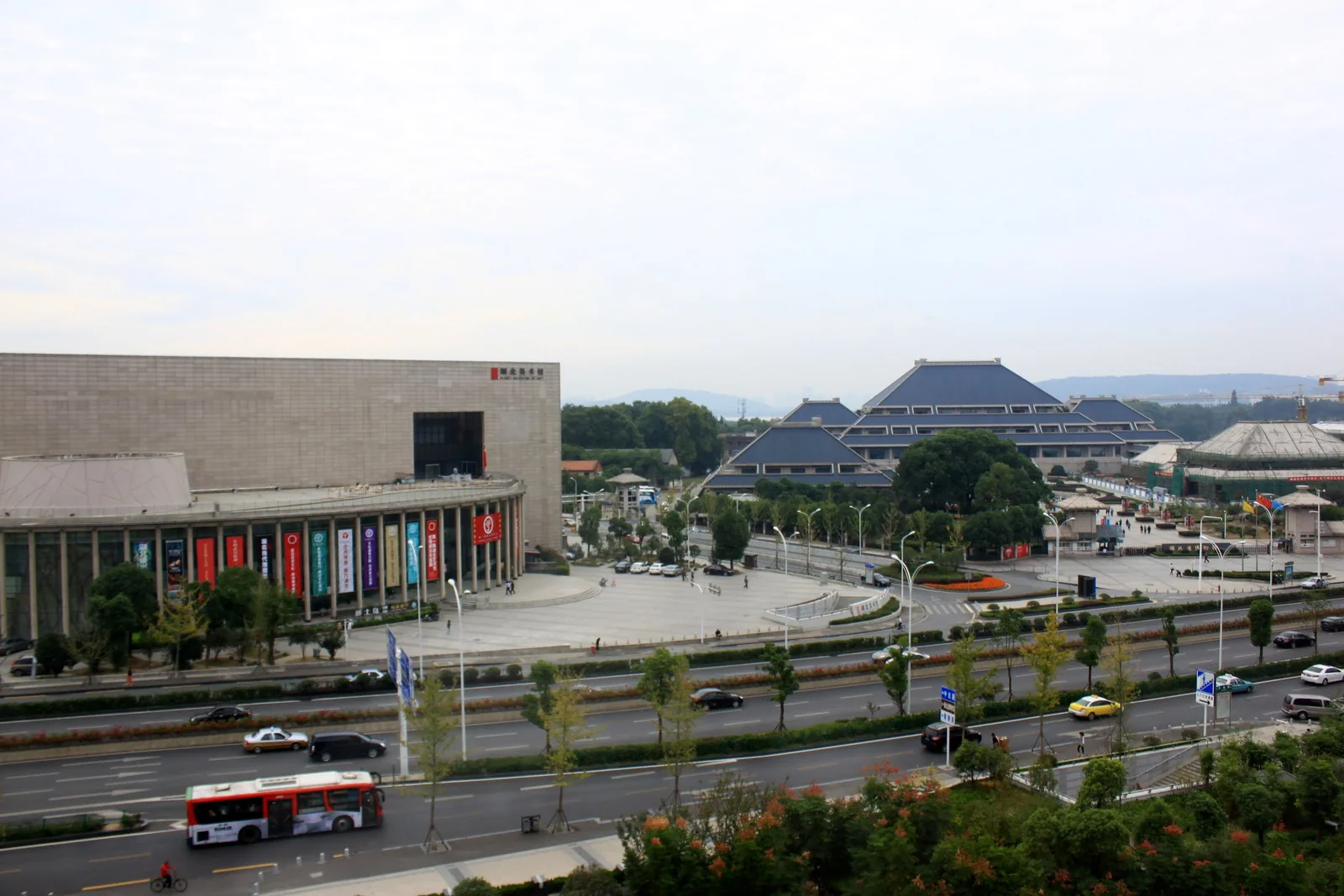
On this trip to Wuhan, we stayed at the Chutian Guangdong International Hotel. When booking, I noticed that the hotel was near the Hubei Provincial Museum.
How near? The view from the room window was the museum. @.@'"
Even so, I originally had not planned to go in and take a look. After all, people say the finest parts of Chinese culture were brought to Taiwan by Chiang Kai-shek back then...
That said, I have not been to the National Palace Museum in Taipei many times either, even after growing up this old. ~.~'"
But since it was right across the street, we might as well cross the road and take a look.
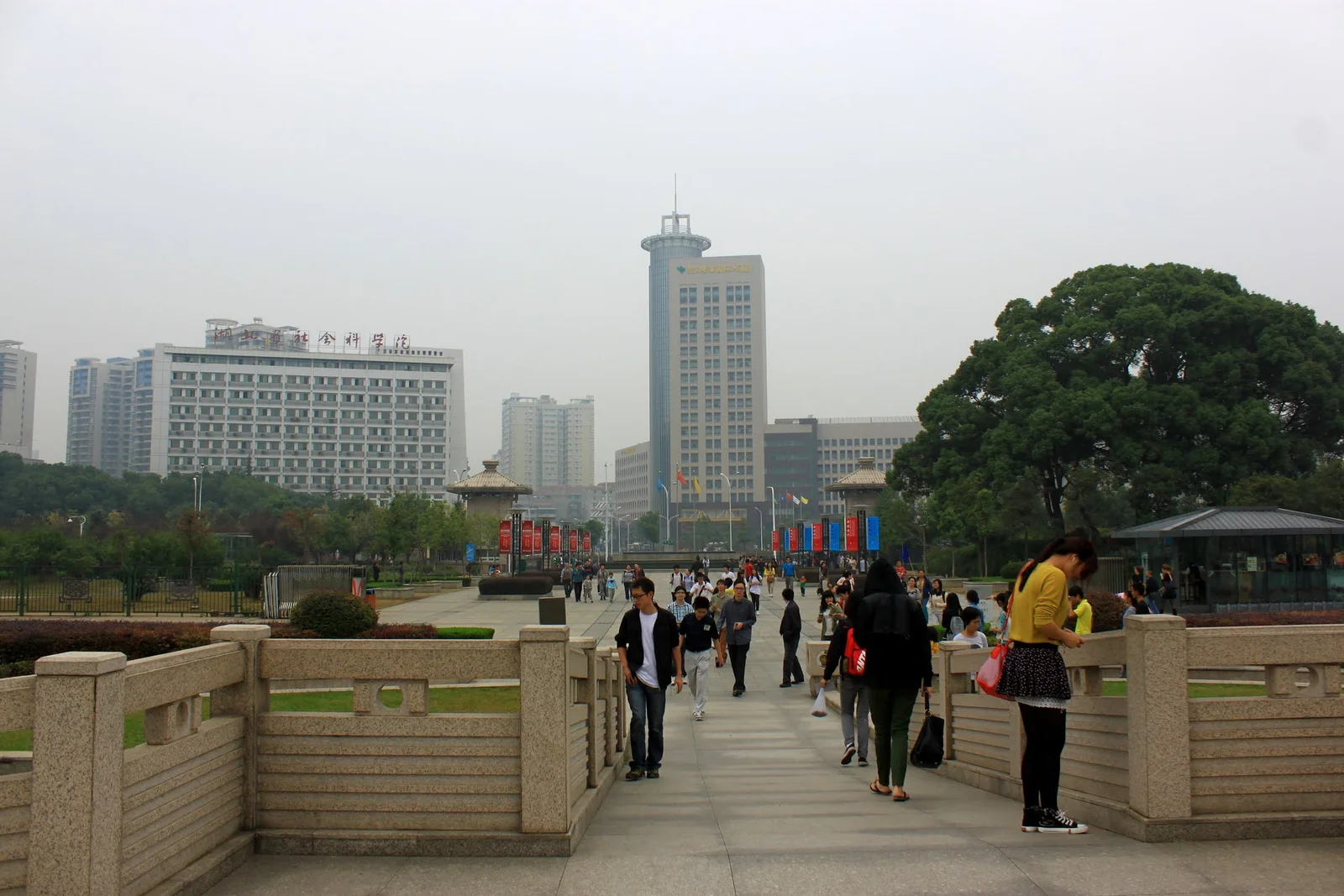
The building across the way is the Chutian Guangdong International Hotel.
Hubei Provincial Museum has more than ten themed exhibition rooms. The most important one is undoubtedly the Tomb of Marquis Yi of Zeng.
But what attracted me most was the museum's treasure: the Sword of Goujian, King of Yue.
King Goujian of Yue sleeping on brushwood and tasting gall... he was a heroic figure who appeared in our textbooks when we were little. I had to come see his sword.
After entering, the first exhibition we saw was the Tomb of Marquis Yi of Zeng. The tomb owner was Yi, the ruler of the state of Zeng in the early Warring States period.
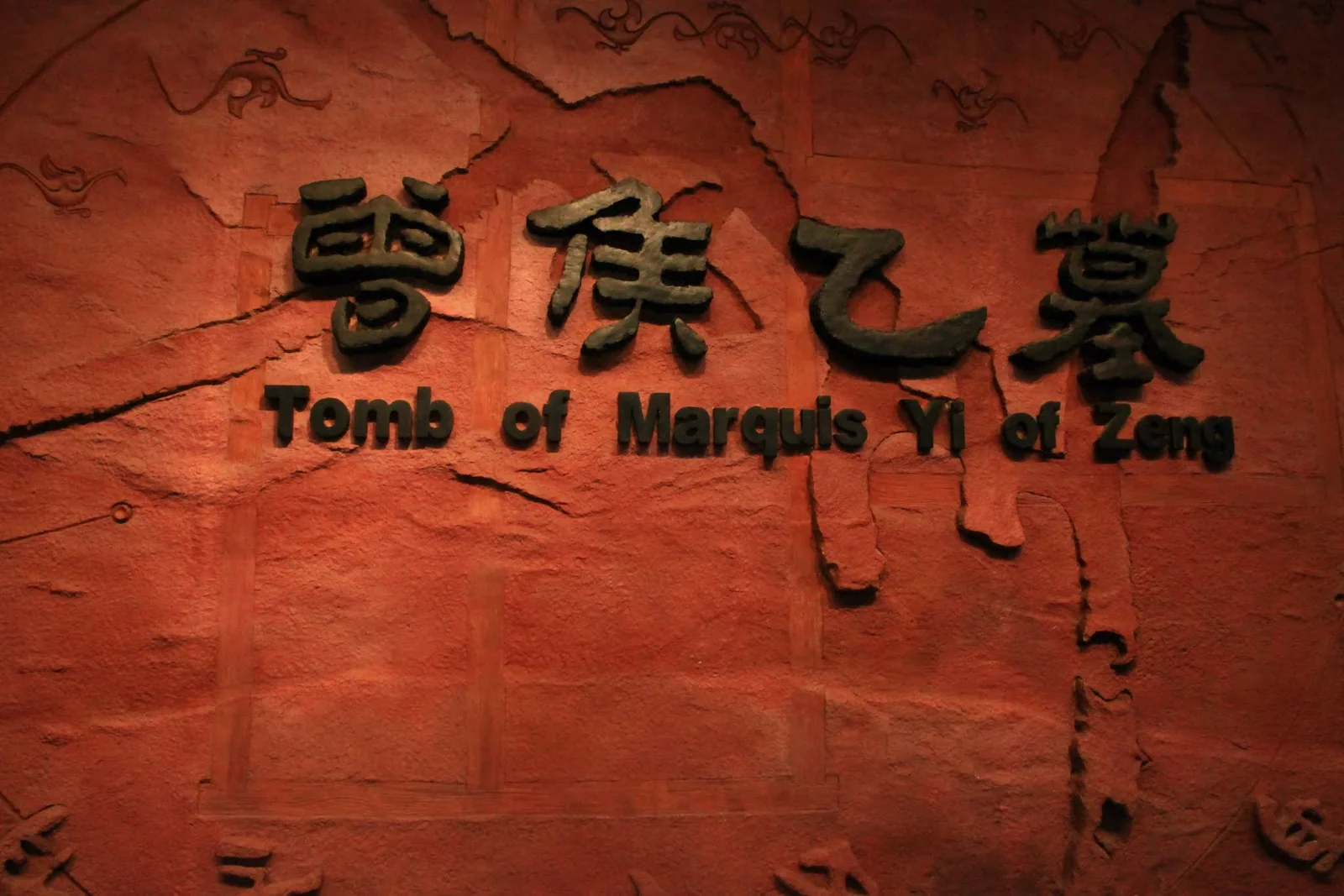
The Tomb of Marquis Yi of Zeng was excavated in 1978 at Leigudun in the suburbs of Sui County, Hubei, now Suizhou. It is the tomb of a ruler of a vassal state under Chu from the Warring States period, about 2,400 years ago.
More than ten thousand artifacts of many types were unearthed from this tomb. The quantity, variety, value, and preservation of the finds caused a sensation both in China and overseas.
The exhibition displays representative artifacts from the tomb, showing the spiritual world and material life of people 2,400 years ago.
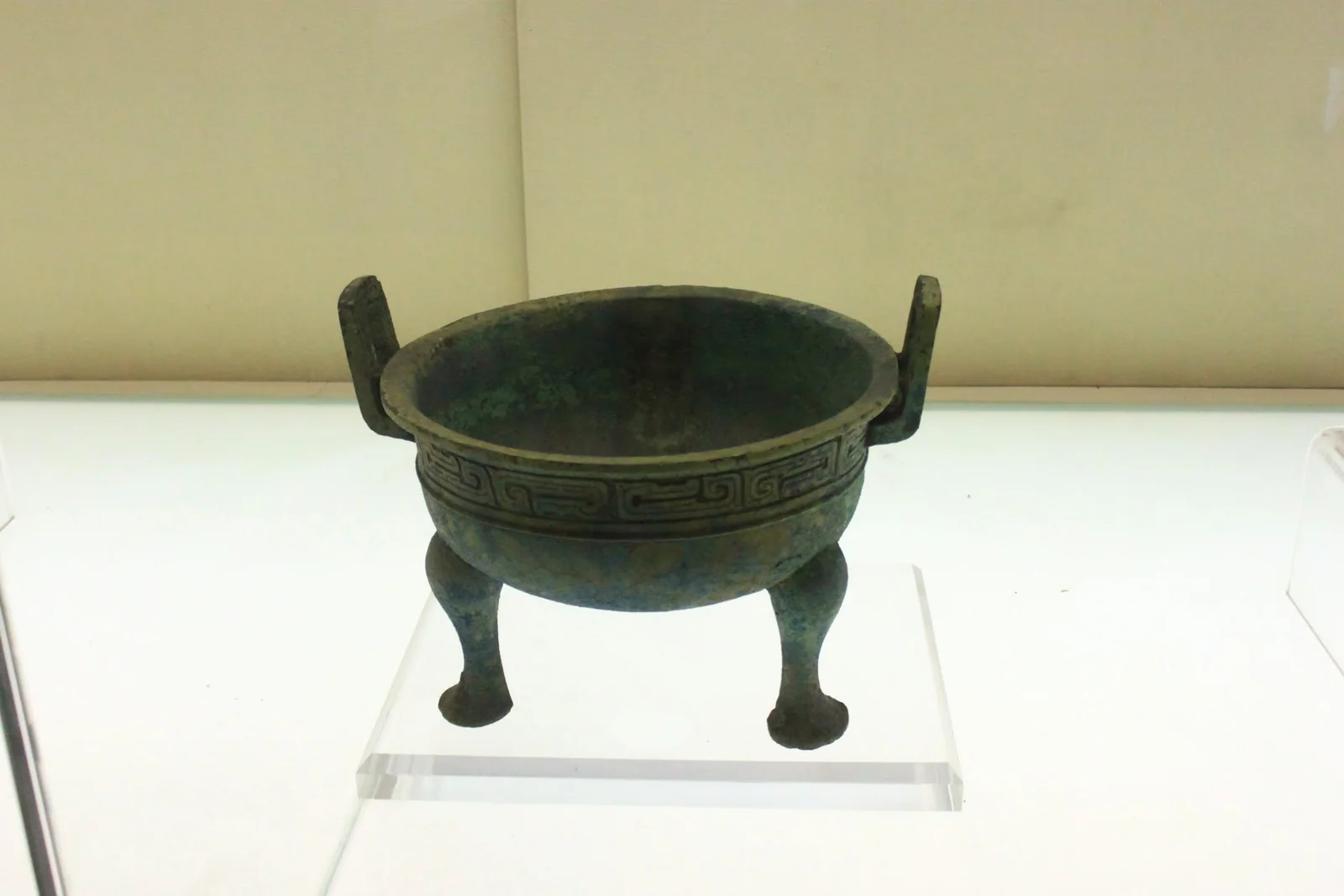
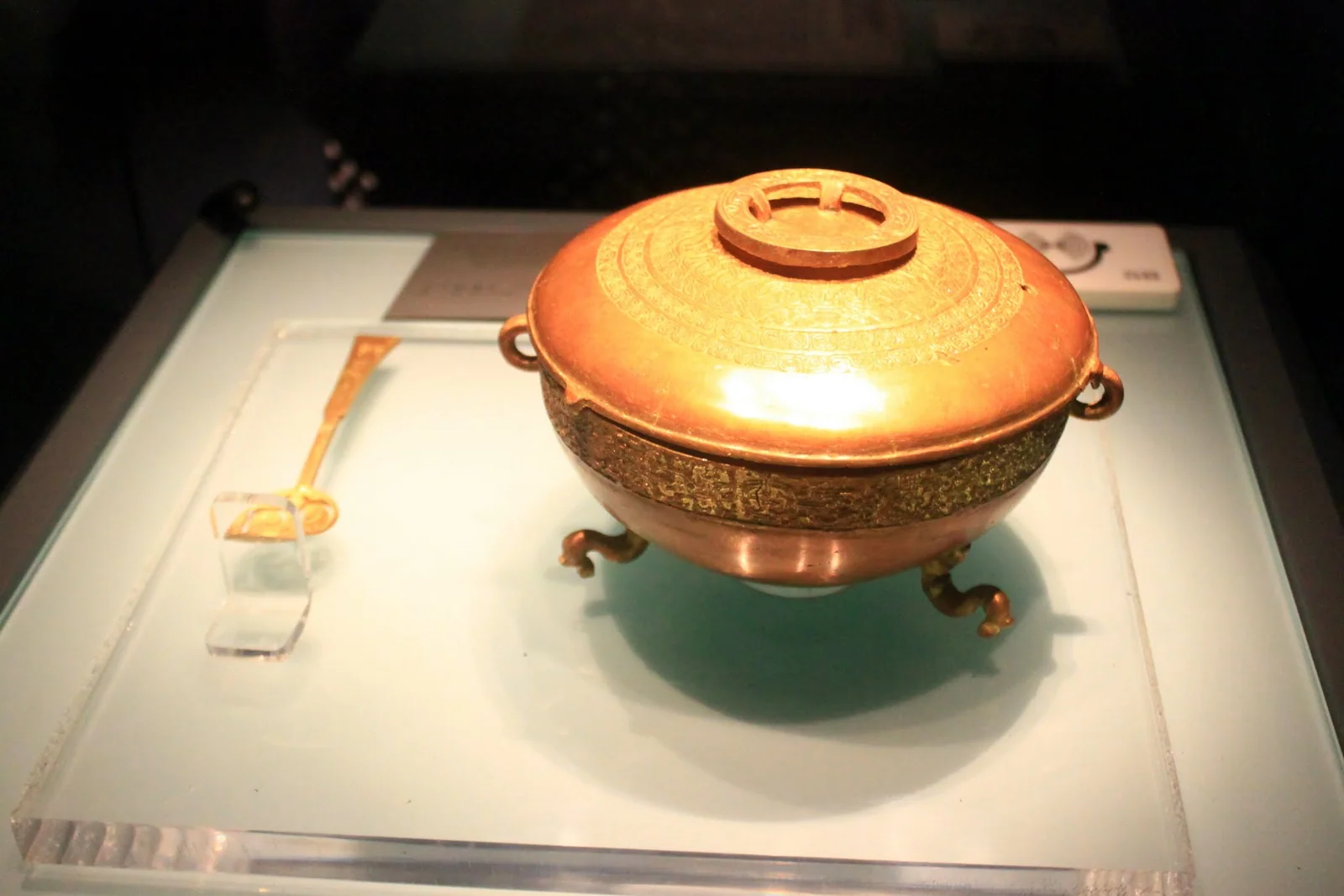
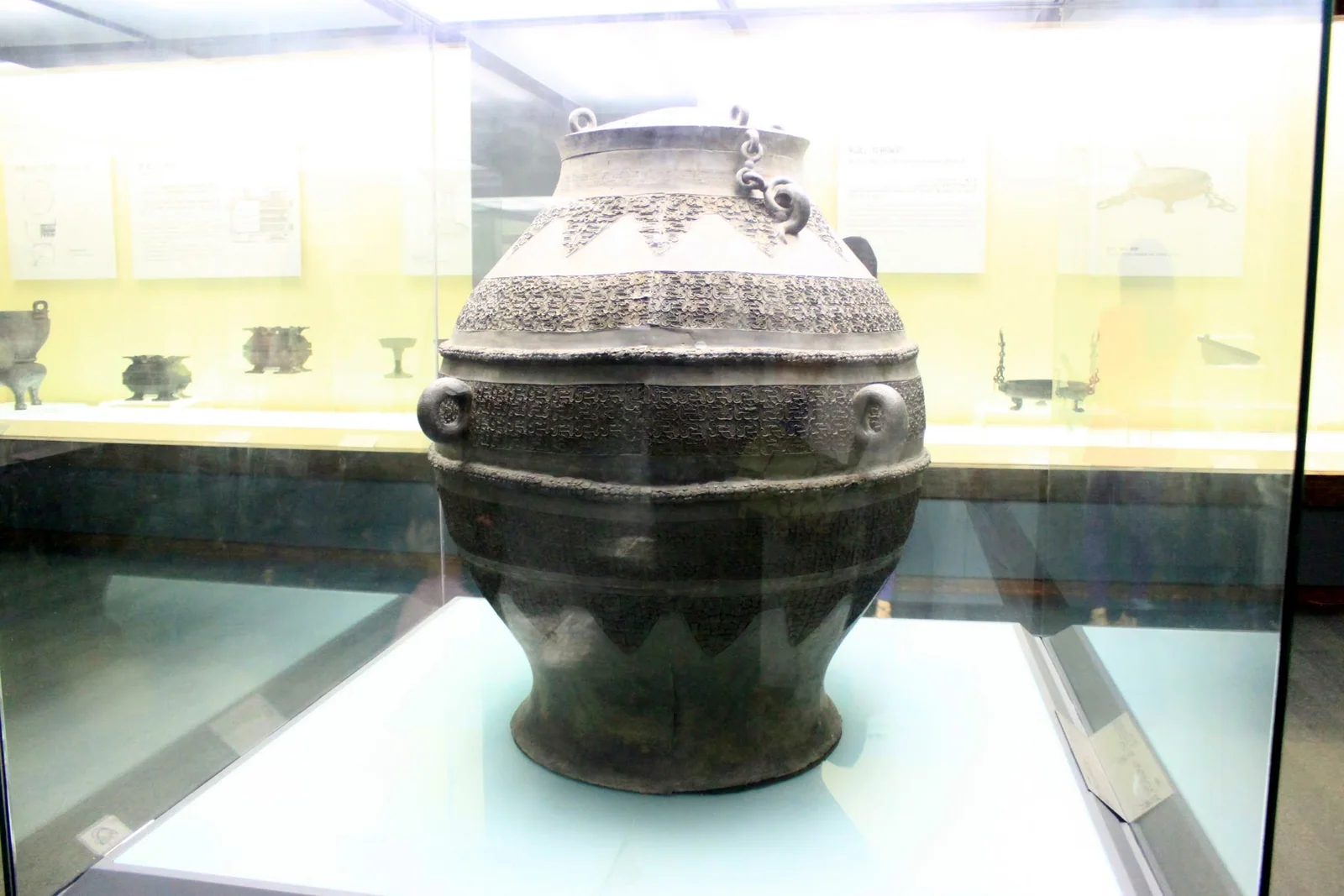
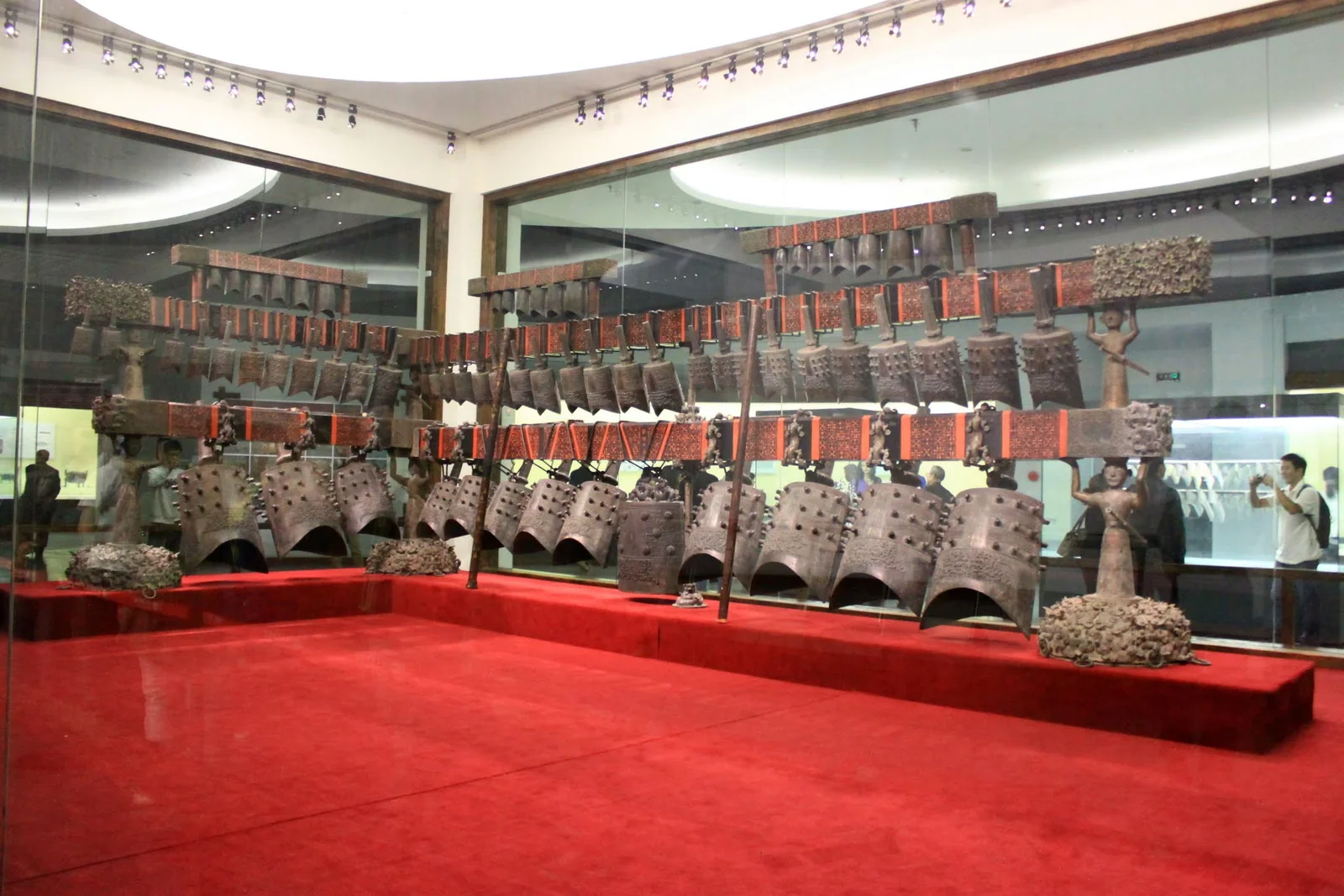
Among the musical instruments, the bronze bianzhong bell set is a priceless treasure.
The Marquis Yi of Zeng bianzhong was unearthed from the tomb in Sui County, Hubei, in 1978.
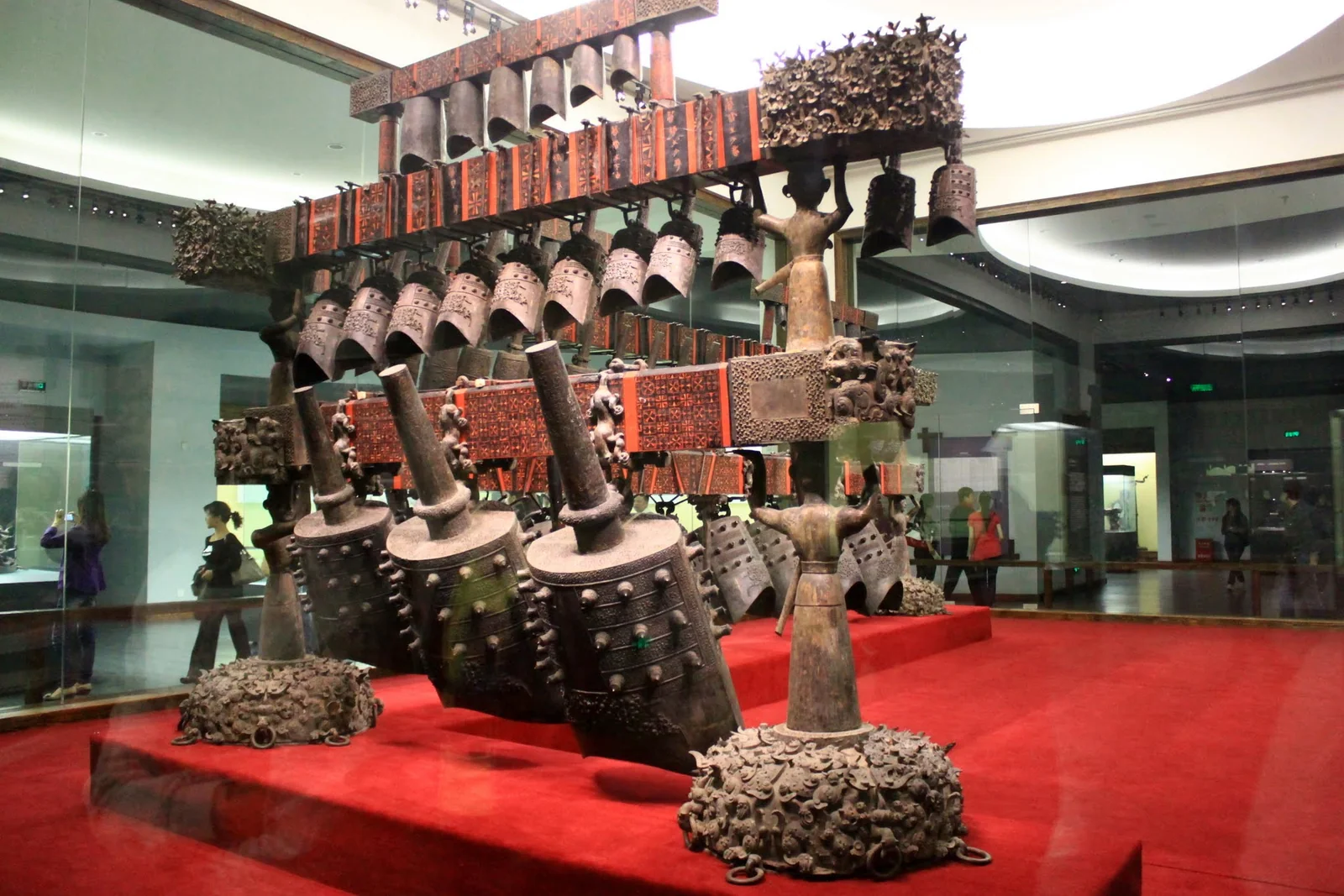
The full set has 65 bells arranged in three tiers and weighs about 4.5 tons. Eight groups are hung on an L-shaped bronze-and-wood frame.
Each bell can produce two tones a major third apart. The full set covers all twelve semitones and can shift keys.
Its scale corresponds to today's common C major, and it can perform pentatonic, hexatonic, and heptatonic music.
With its wide range and beautiful tone, it can play both Chinese and foreign music, and is praised as a great miracle in world music history.
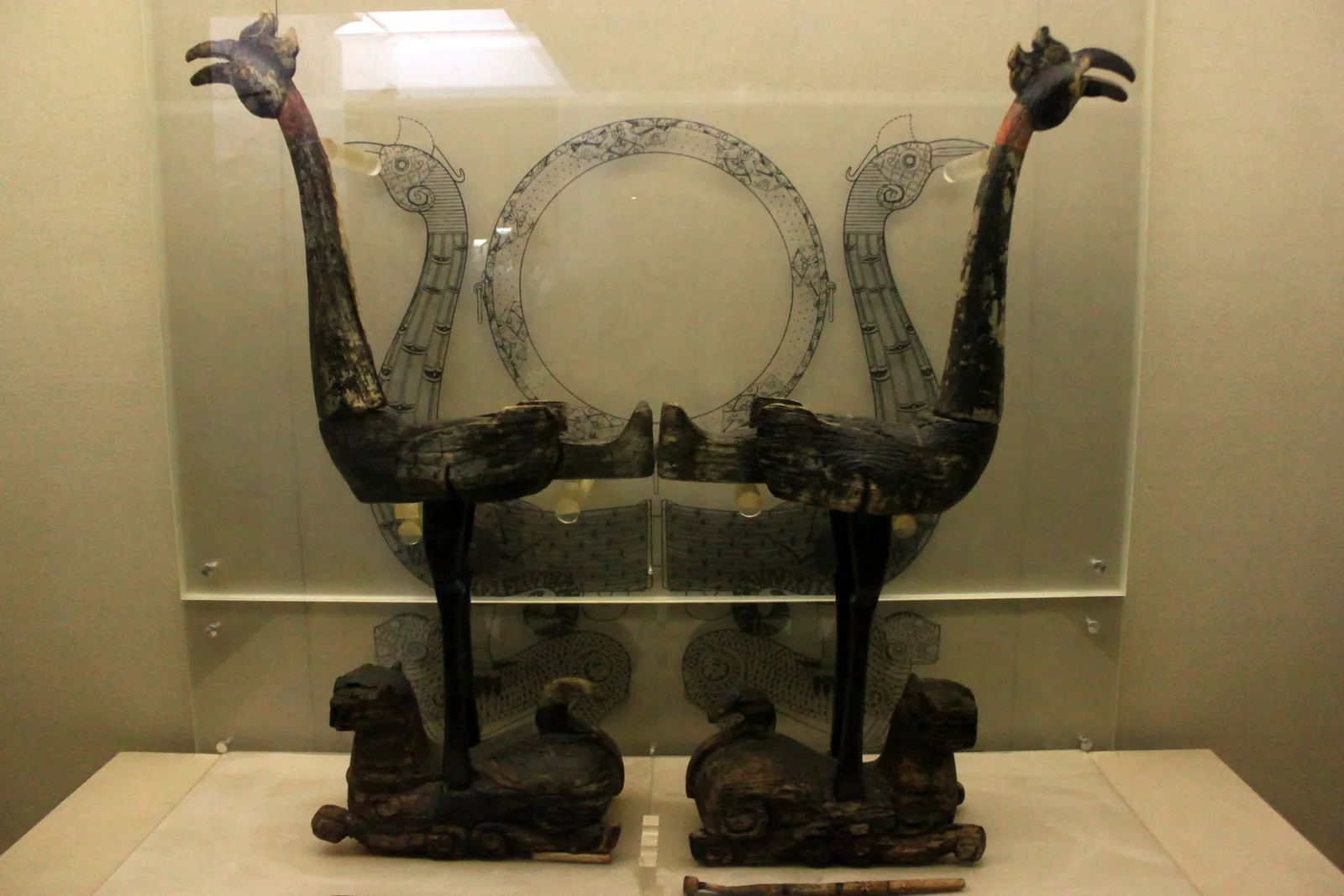
This is a drum stand.
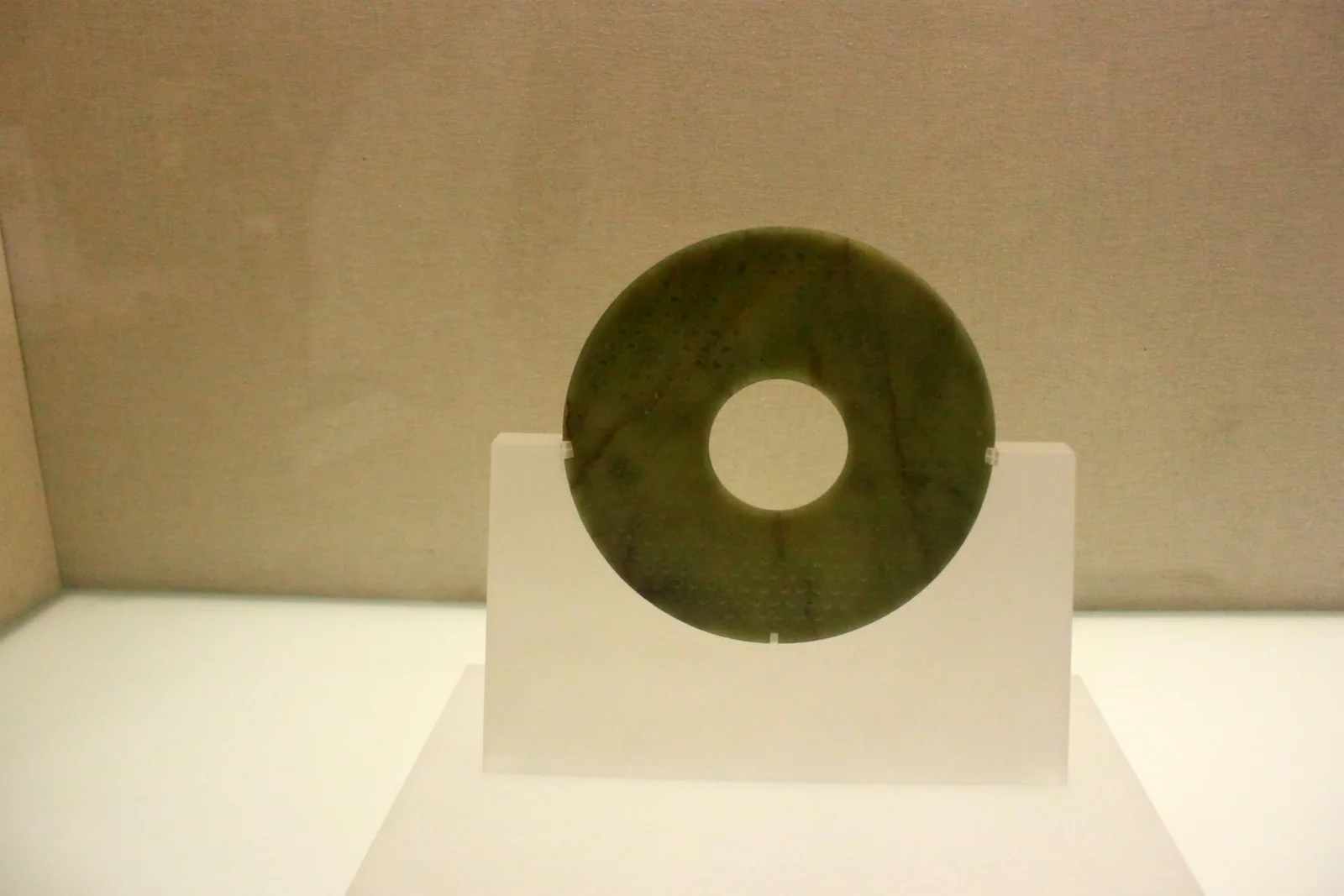
A jade bi disc.
A model of a Chu city.
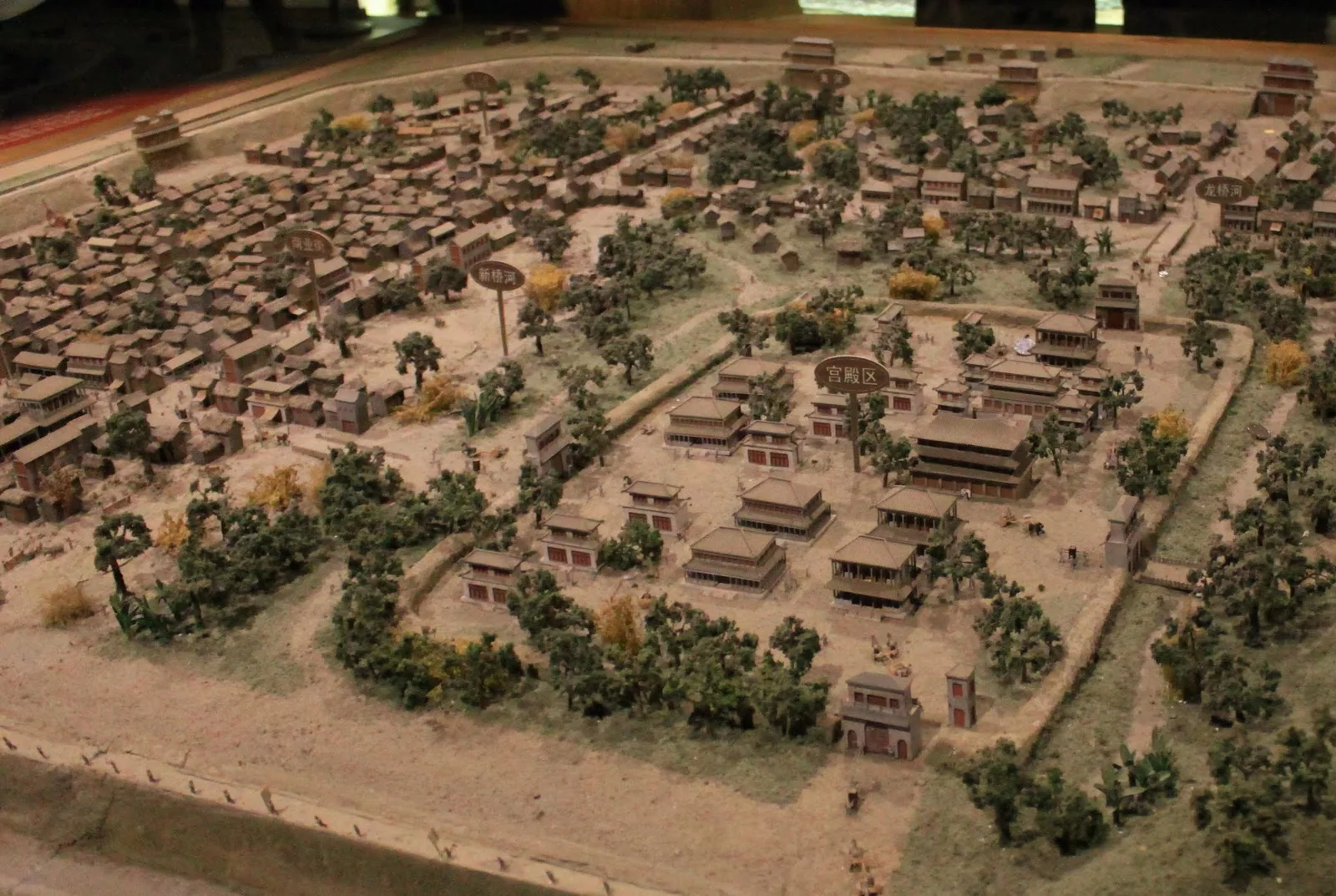
What houses were like for people in ancient Chu.
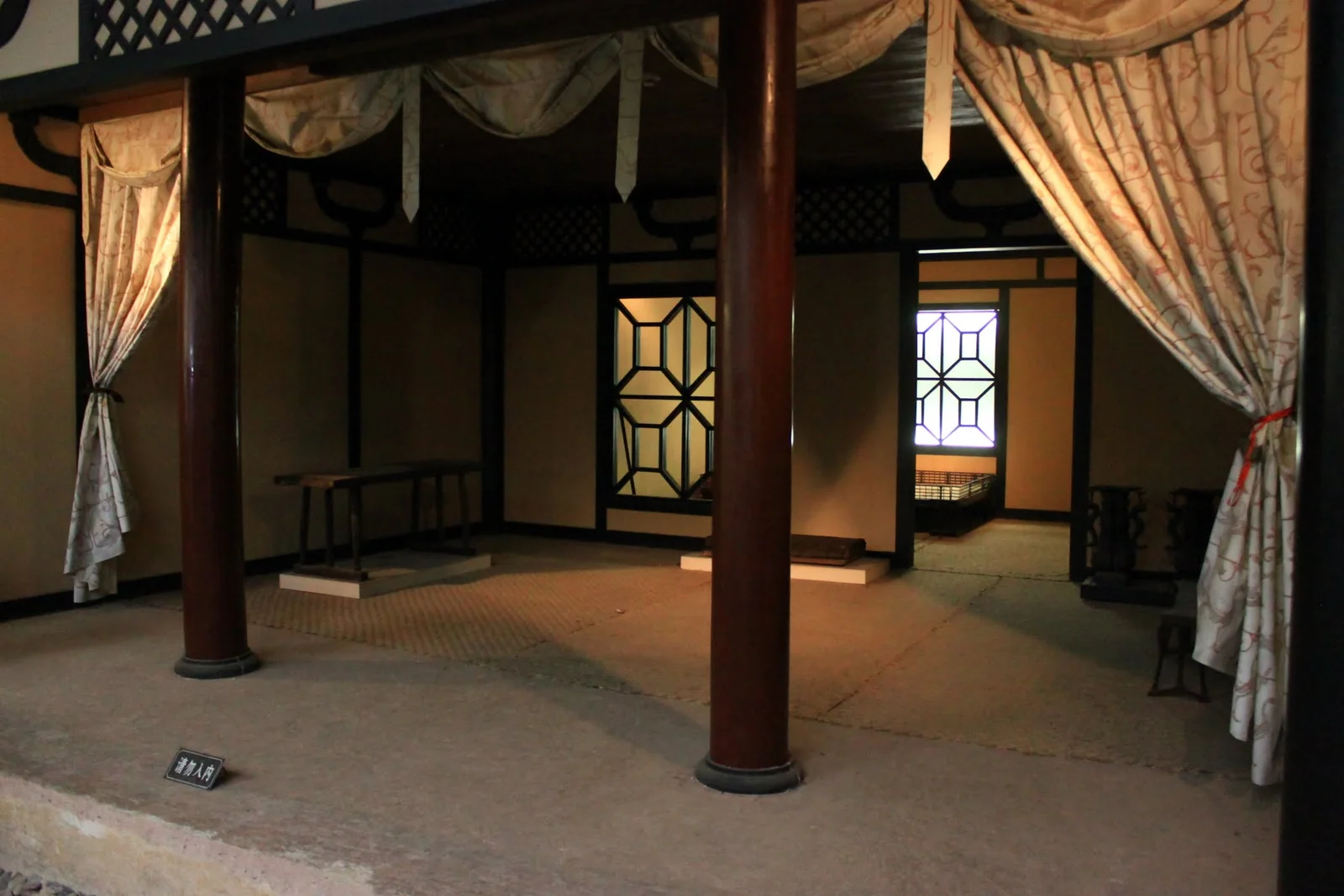
Ta-da~~
After circling around the museum, we finally found the Sword of Goujian, King of Yue, displayed in the Chu Culture Gallery.
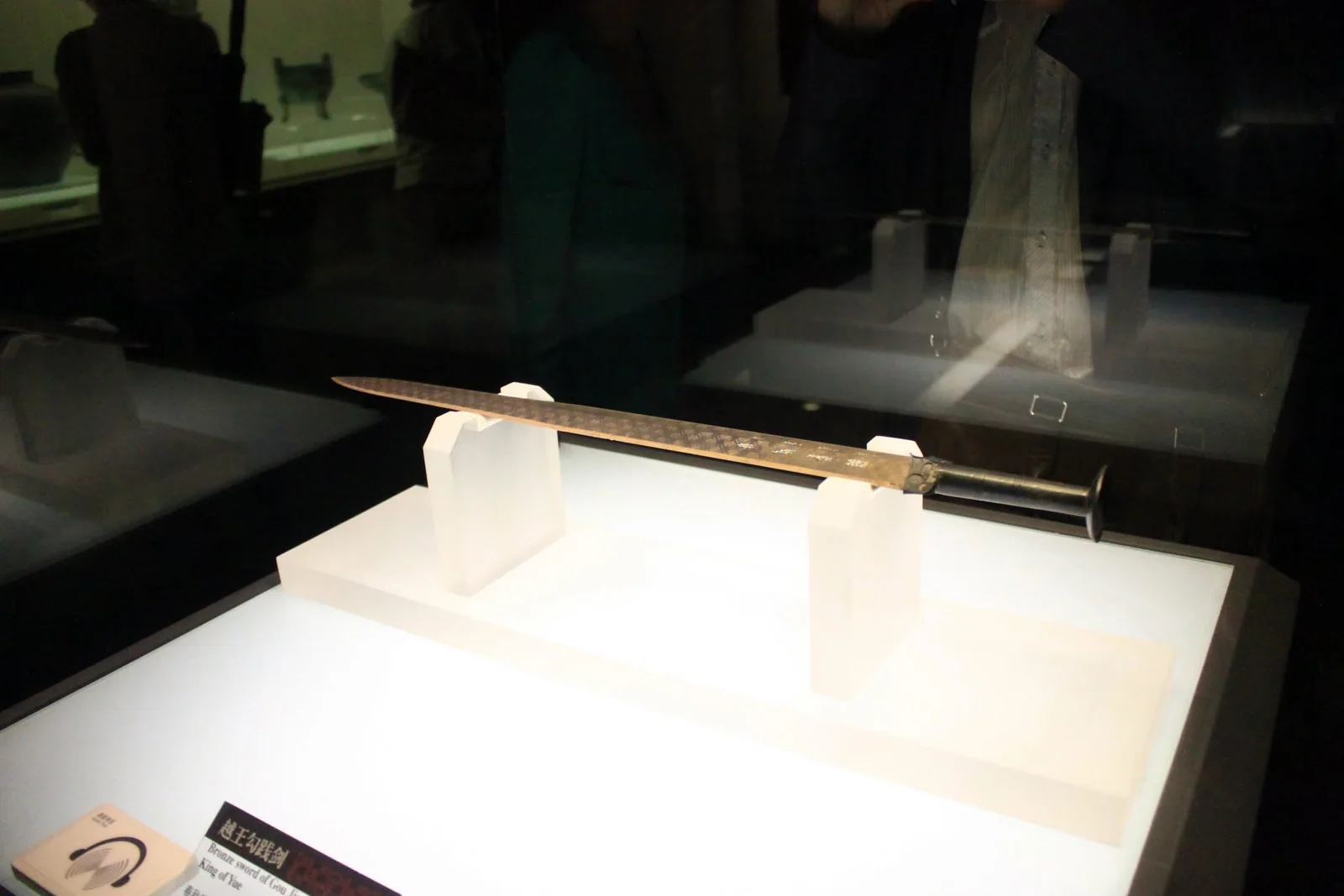
The Sword of Goujian dates to the late Spring and Autumn period. It has remained unrusted for thousands of years and is covered with many small dark patterns.
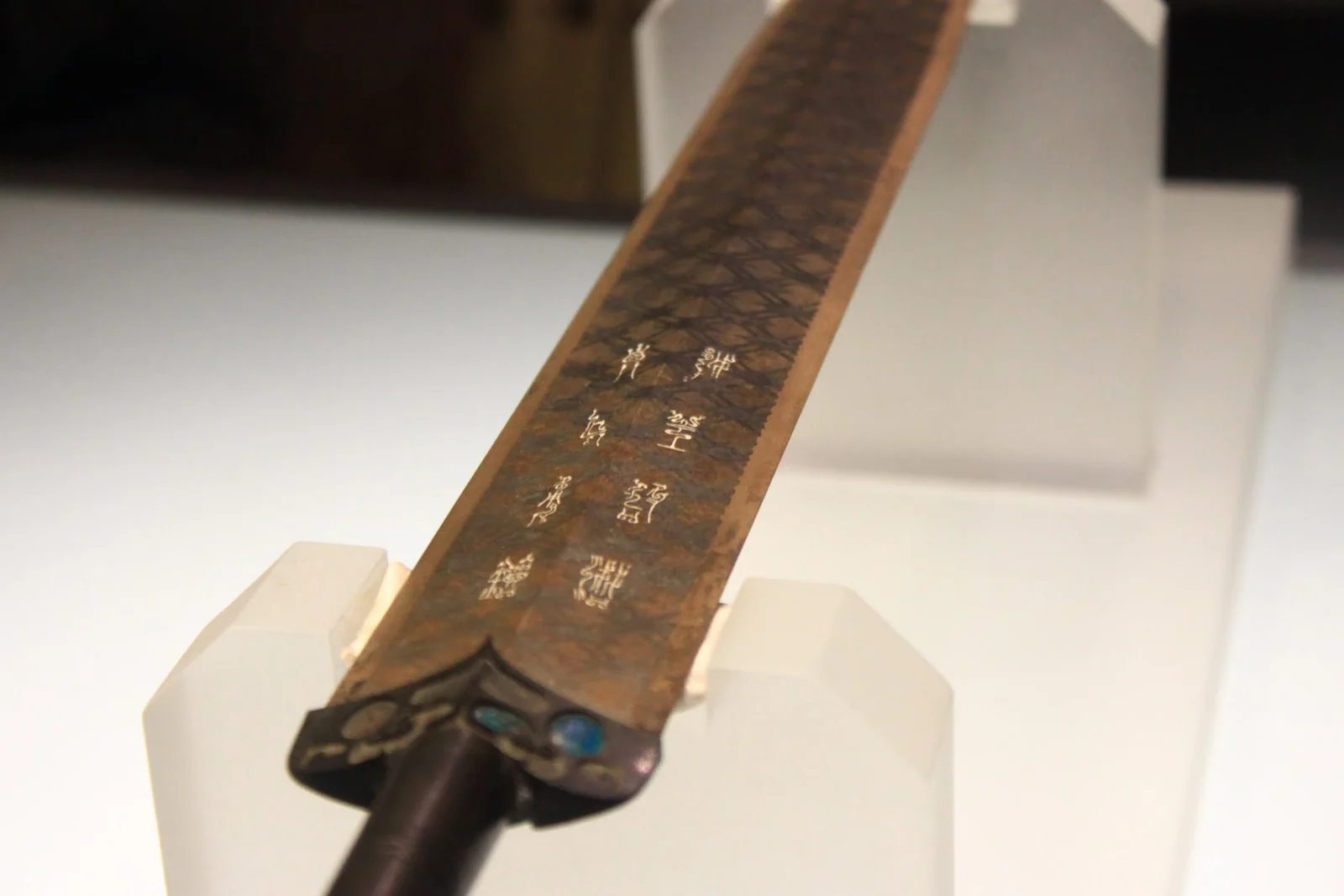
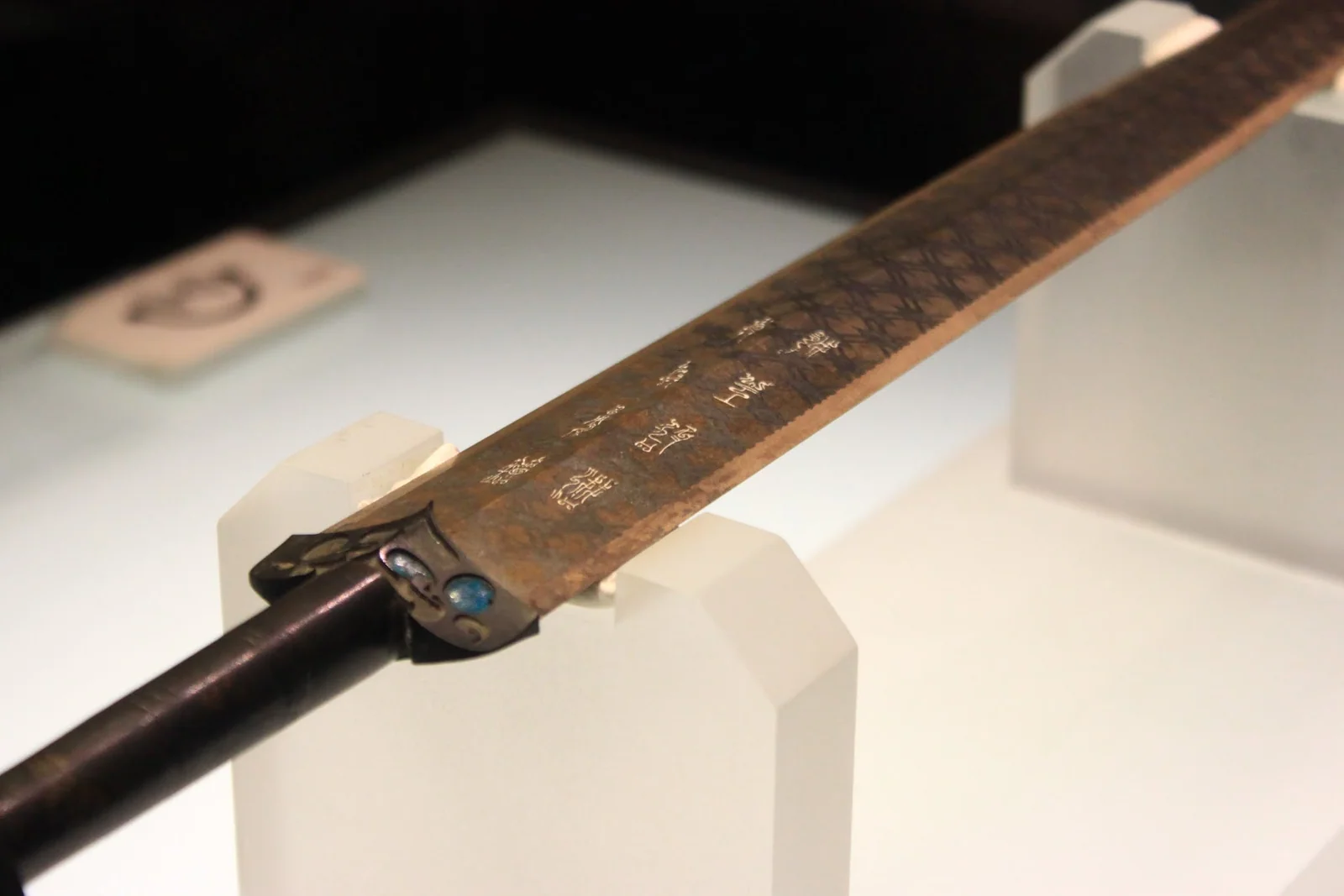
The blade is not long, about two chi, roughly 60 centimeters.
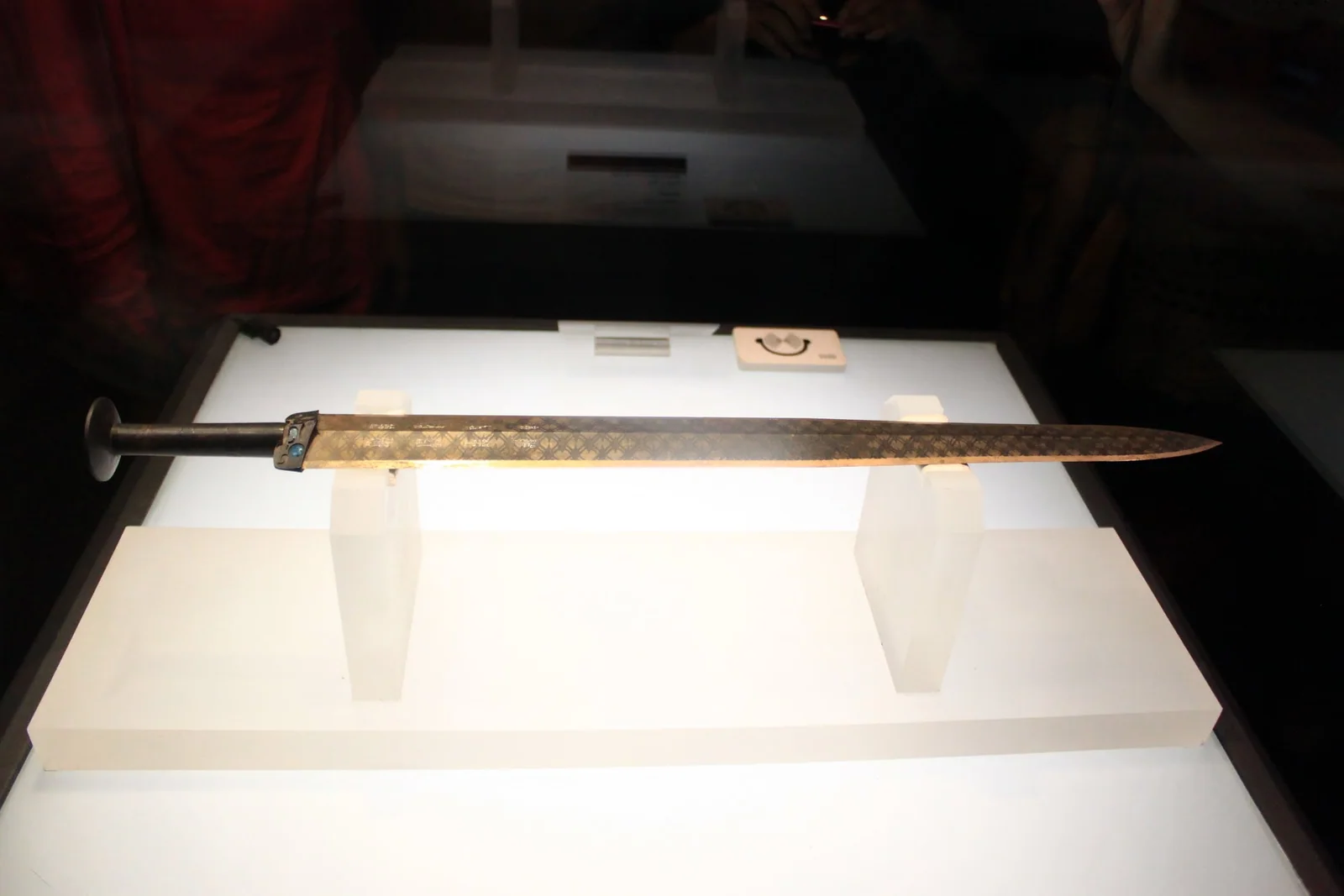
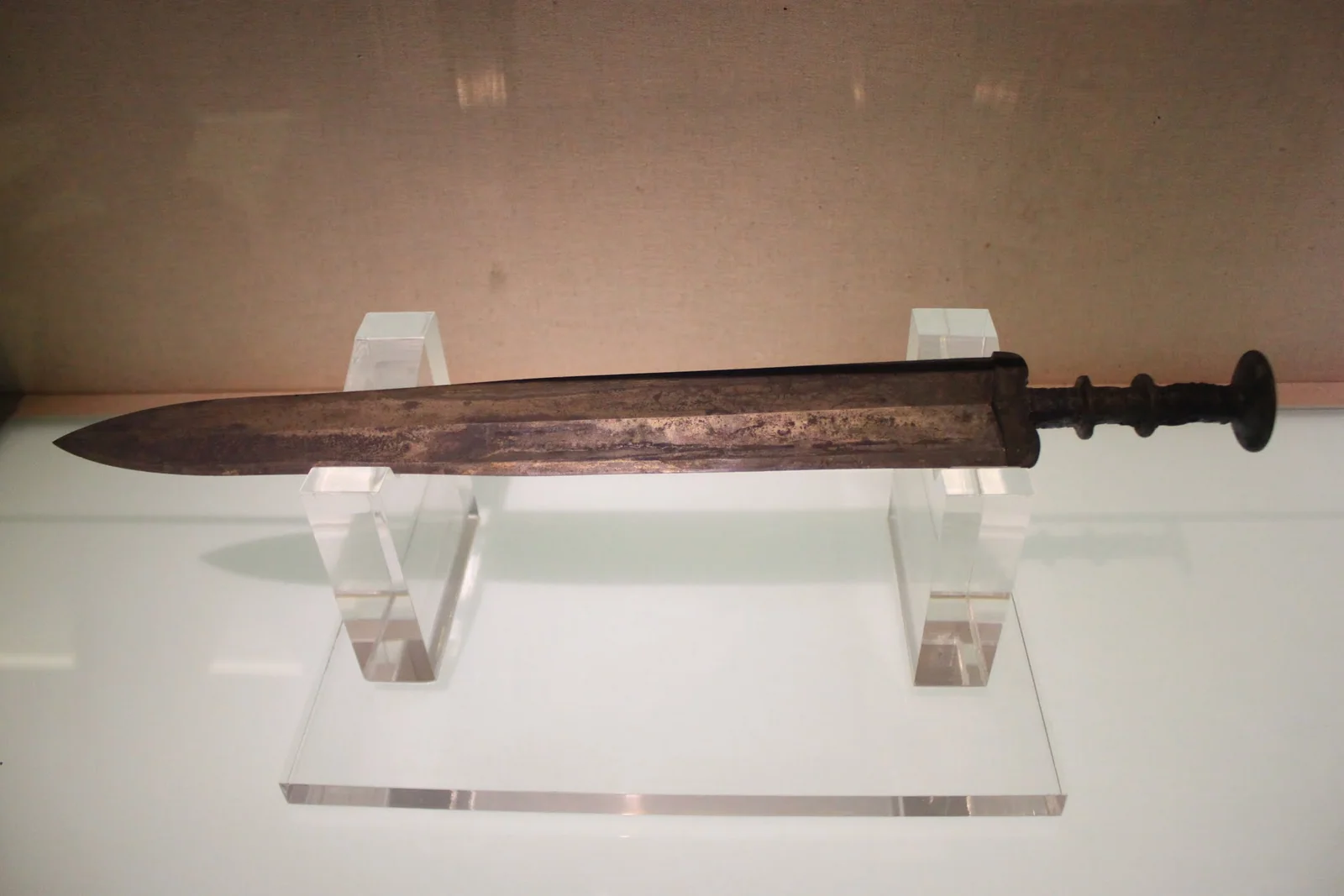
Compared with the bronze swords used by ordinary soldiers at the time, you can see how exquisite a king's sword was.
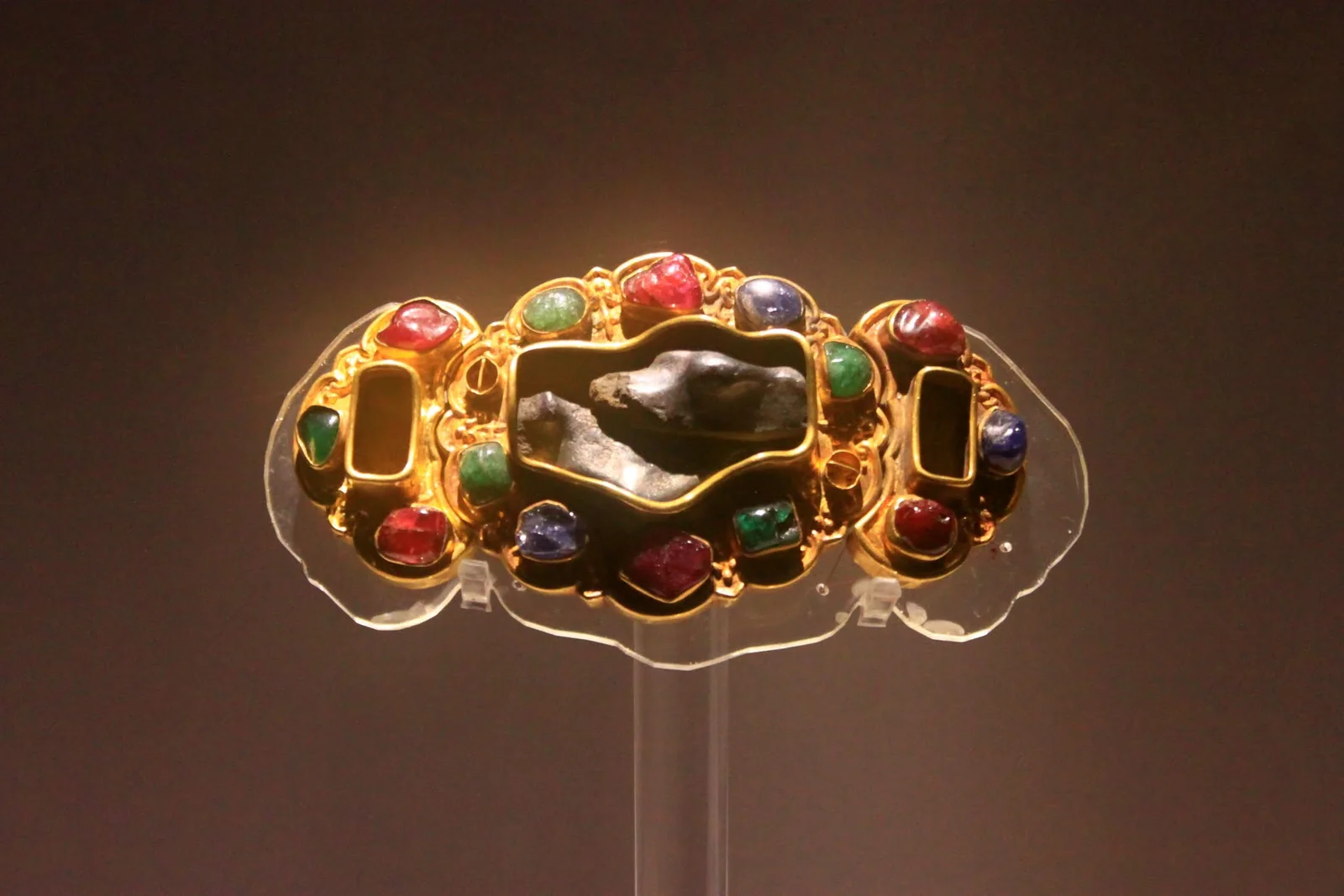
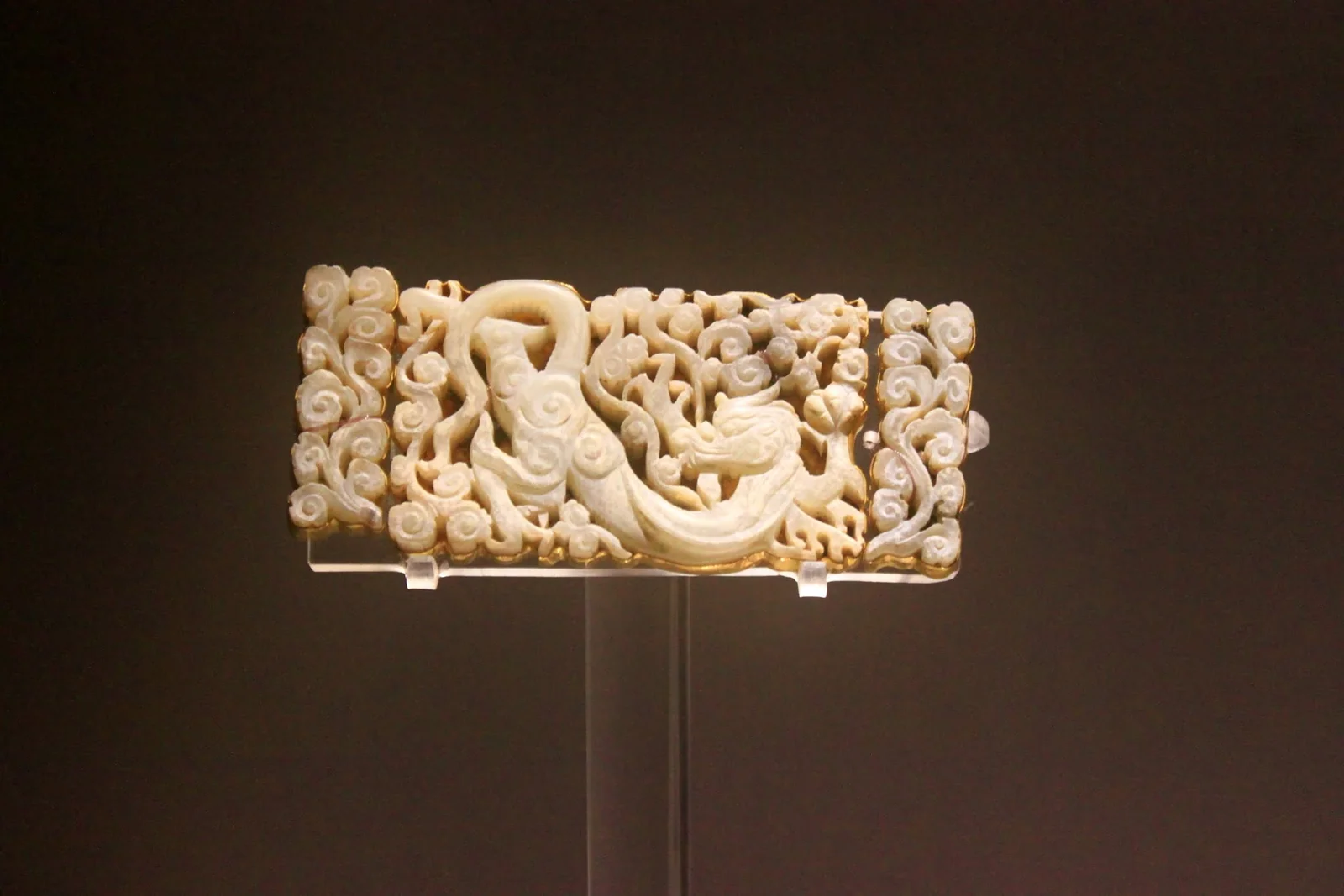
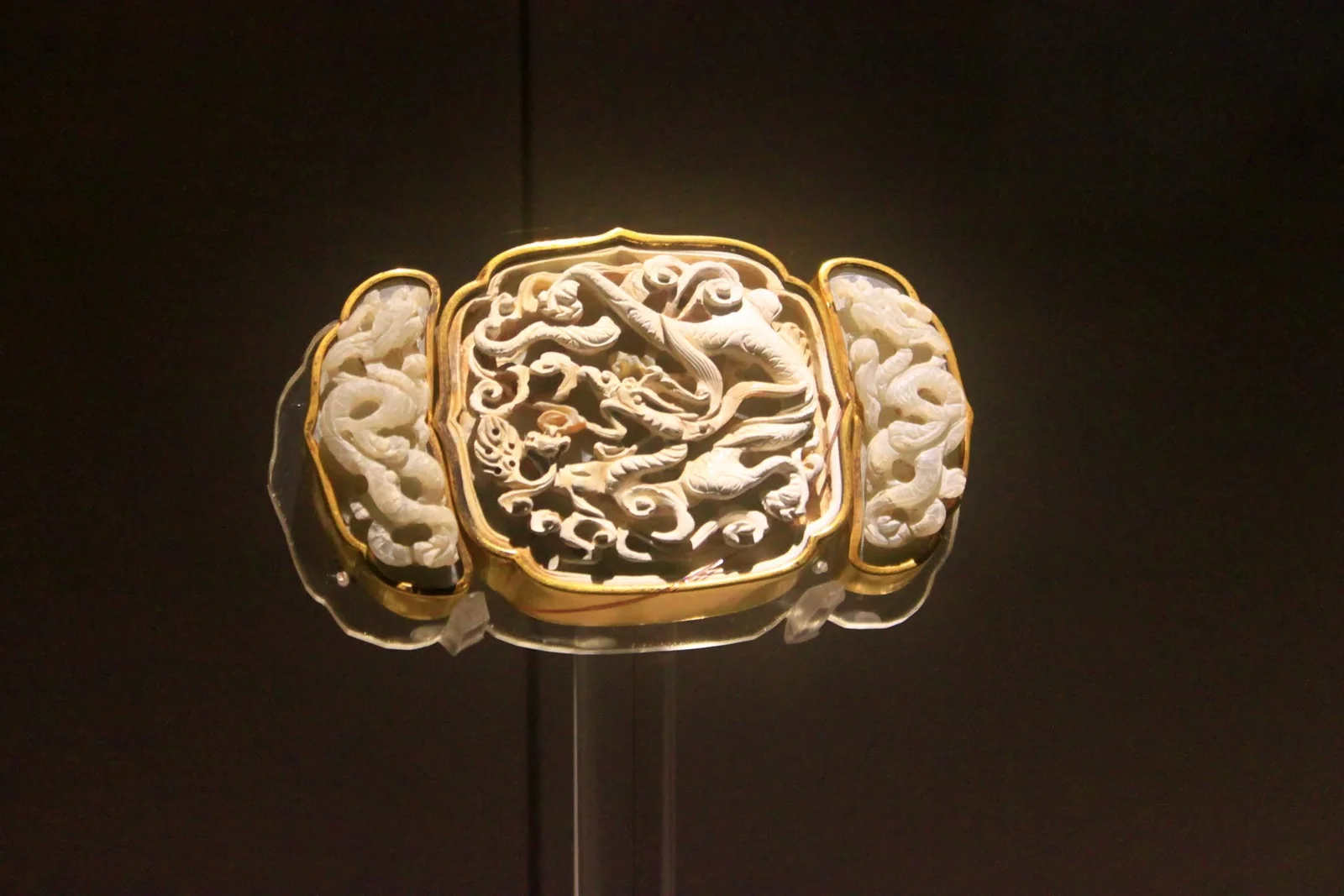
The Tomb of Prince Liangzhuang.
Prince Liangzhuang's tomb from the Ming dynasty is the joint tomb of Zhu Zhanji, the ninth son of Emperor Renzong of Ming, and Consort Wei. More than 5,300 precious artifacts, including gold, jade, and porcelain, were unearthed from it.
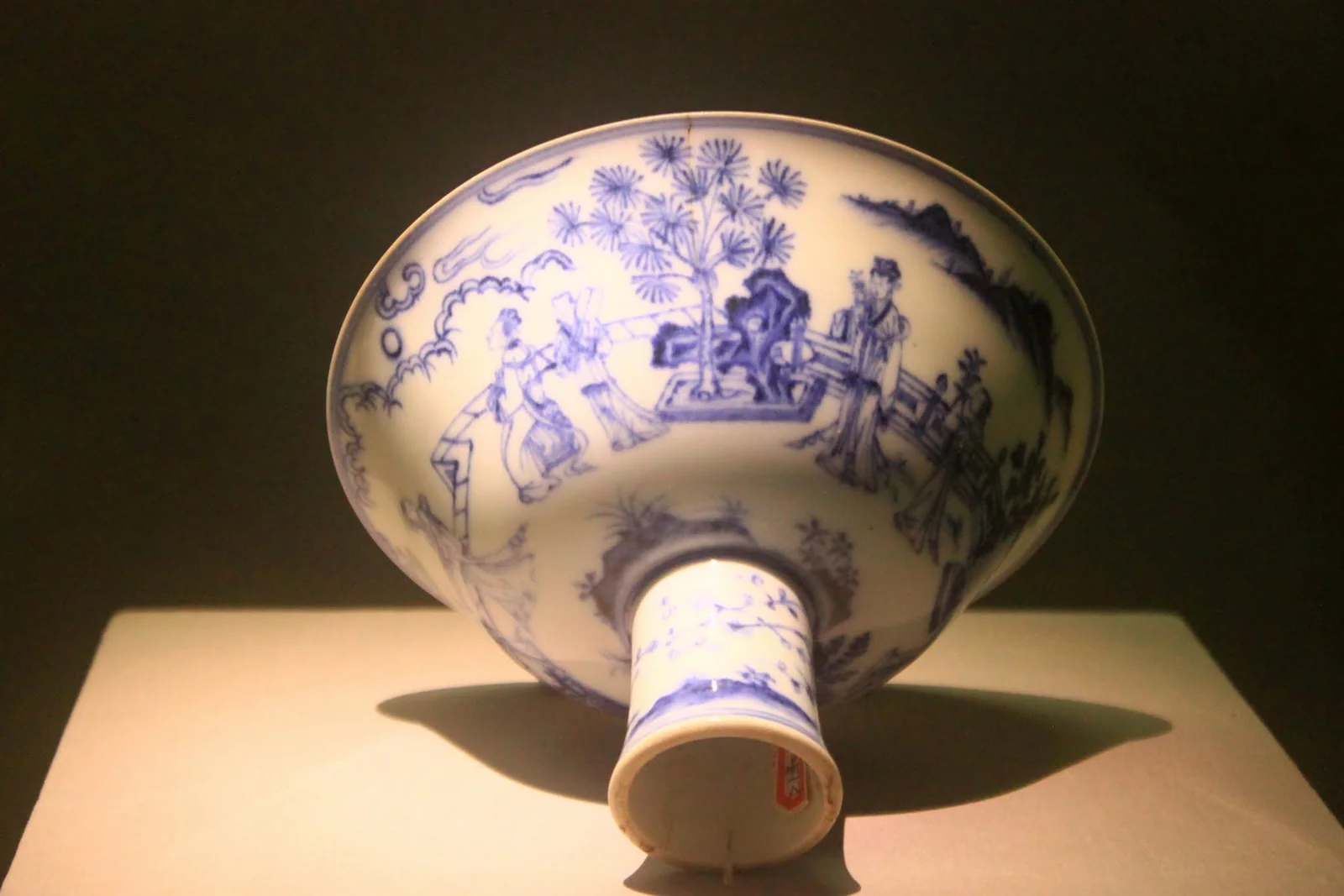
Blue-and-white porcelain.
Facing so many ancient treasures, the impact is still strongest when you see them in person.
If you have a chance to visit Wuhan, you may want to put Hubei Provincial Museum into the itinerary. It is absolutely worth the ticket price.
Hmm... visiting the provincial museum is free. There is just a visitor limit, and you need to pick up an admission ticket at the entrance before going in. ^.^
Museum Information
Hubei Provincial Museum
Address: No. 156 Donghu Road, Wuchang District, Wuhan, Hubei.
Opening hours: 9:00-17:00, entry stops at 15:30. Closed Mondays, except national holidays.
Admission: Basic exhibitions are free, but 500 people are admitted every half hour. Daily visitor limit is 5,000 people, with 3,500 in the morning and 1,500 in the afternoon.
Related posts:
Three Days in Wuhan - Part 1: East Lake
Three Days in Wuhan - Part 2: Yellow Crane Tower
Three Days in Wuhan - Part 3: Guiyuan Temple
Three Days in Wuhan - Part 4: Hubei Provincial Museum
Full Photo Gallery
Previewing up to 8 album photos. Open the gallery to browse all photos.