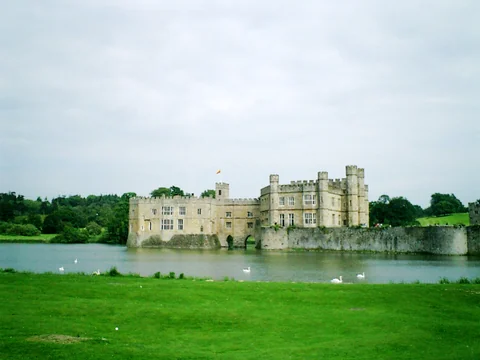
June 3, 2002: Nara, with Deer Park, Todai-ji, Nigatsu-do, and Kasuga Taisha.
This was the day we traveled from Kyoto to Nara. I thought the highlights would be Todai-ji, Nigatsu-do, and Kasuga Taisha. But as soon as we left the station and started walking toward Todai-ji, Nara Park's deer took over the story.
If Kyoto over the previous two days had been about slowly settling into an old capital, Nara felt more like a reminder that the city is not only temples and shrines. It also has a crowd of local residents who know exactly how to ask visitors for snacks.
First, Through Deer Territory
In the morning, we took a private railway from Kyoto to Nara, which took about an hour. On the walk from the station toward Todai-ji, we first passed through Nara Park, also called Deer Park. The notes from that time said there were about 1,200 deer in the park, and that the deer had long been treated with respect as messengers of the gods.
There were stands around the park selling shika senbei, the crackers used to feed the deer. During our 2002 visit, one pack cost JPY 150.
Chris looks calm here, but she was actually terrified...
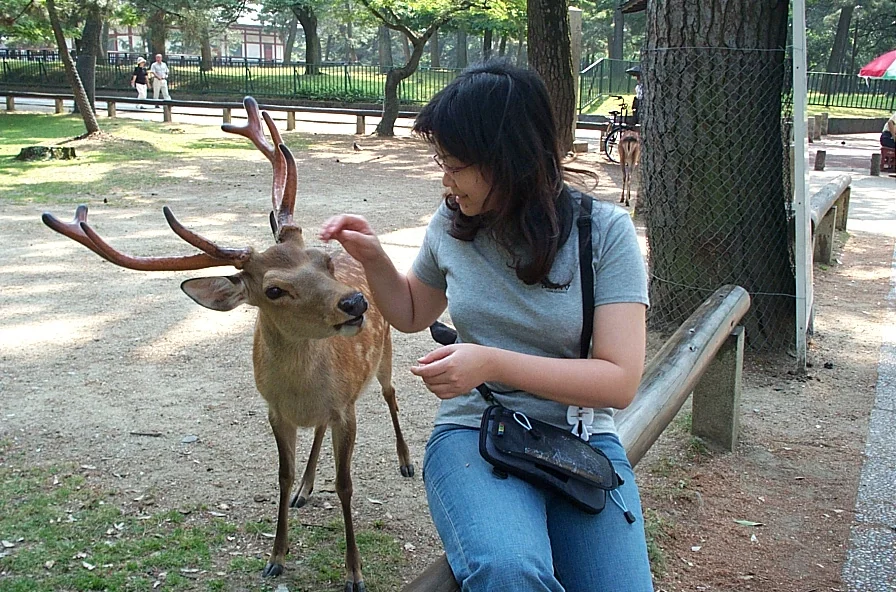
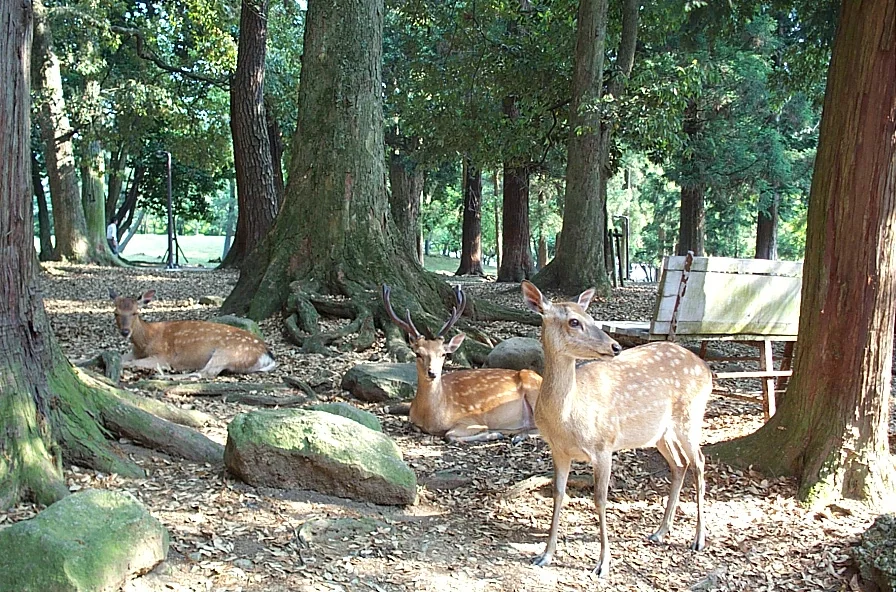
The deer usually occupied the middle of the pedestrian paths or waited around the trees for tourists to feed them. They were not exactly the quiet, stand-still-for-a-photo type. They knew very well that you might be holding crackers.
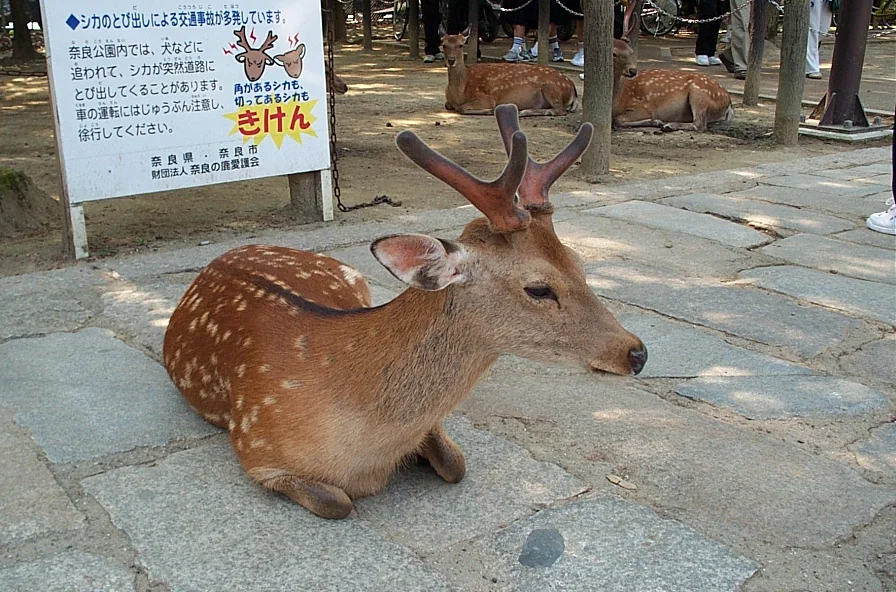
Once you had shika senbei in your hand, a group of never-full deer would immediately surround you. The photos may make it look manageable, but being in the middle of it did not feel quite so easy.
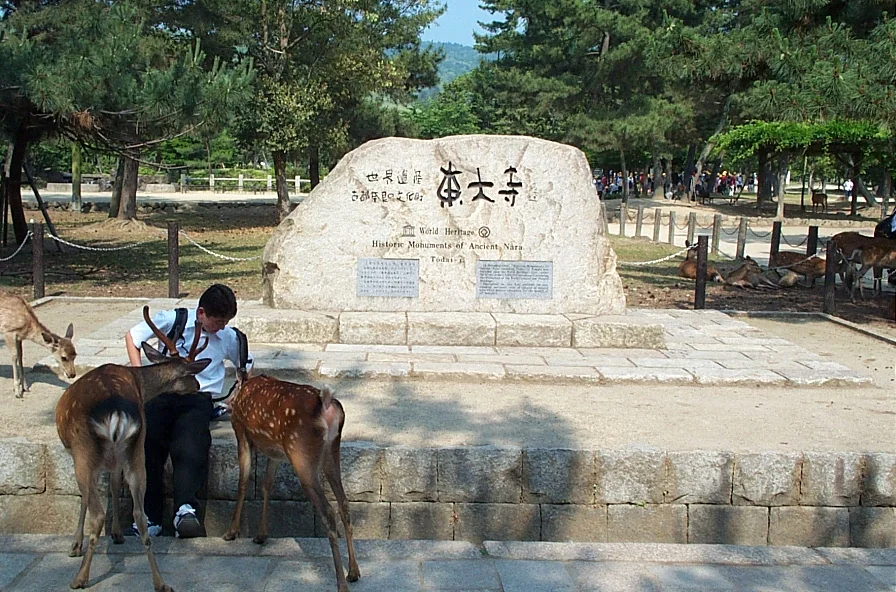
For more evidence of their "bad behavior," please see the 2006 Kyoto autumn trip. That one even has video proof ~"~
Finally Reaching Todai-ji
After finally escaping them, we reached Todai-ji. The outer walls and entrance immediately changed the scale of the day. One moment we were dodging deer; the next, we were entering a much larger temple space.
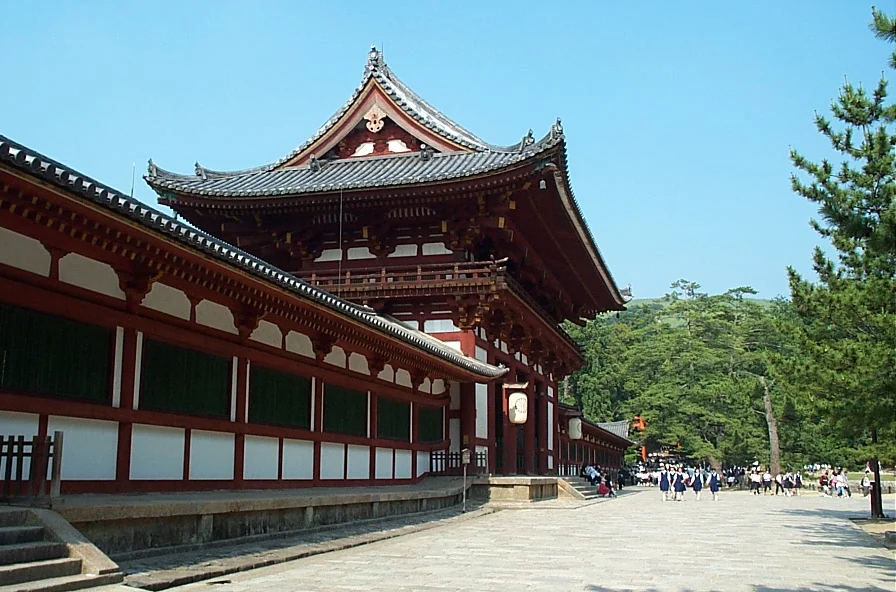
Todai-ji has more than 1,200 years of history. Because it was built to the east of Heijo-kyo, the capital at the time, it came to be called Todai-ji, the eastern great temple.
Todai-ji was founded in 728 by Emperor Shomu, who supported Buddhism. The notes from that time recorded the Great Buddha Hall as 57 meters wide, 50 meters deep, and 48 meters high. More than the numbers, what stayed with me was the force of seeing such a large wooden structure in person.
In 1998, Todai-ji became part of the UNESCO World Heritage listing for the Historic Monuments of Ancient Nara.
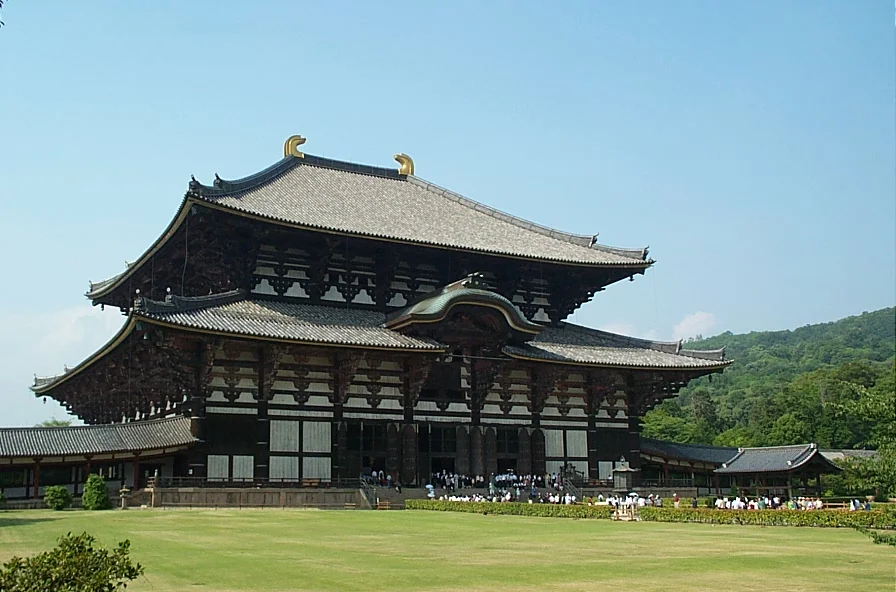
Inside the Great Buddha Hall, the wooden structure felt powerful and the craftsmanship was impressive. The columns were so large that it would take three adults to wrap around one!
One of the columns has a hole at the bottom, and many people lined up to crawl through it. It is said that passing through the hole brings safety and protection.
Adults should not force it, though... getting stuck in the middle and having to reverse out would be a little embarrassing...
After leaving Todai-ji, we headed toward Nigatsu-do and Sangatsu-do... but we were still inside deer territory ^.^
Toward Nigatsu-do, Into Quieter Hillside Light
The walk from Todai-ji toward Nigatsu-do slowly shifted the mood away from the size and crowds of the Great Buddha Hall into a quieter hillside area. Nigatsu-do stands north of Todai-ji and takes its name from Shunie, a ceremony held in the second month of the old lunar calendar.
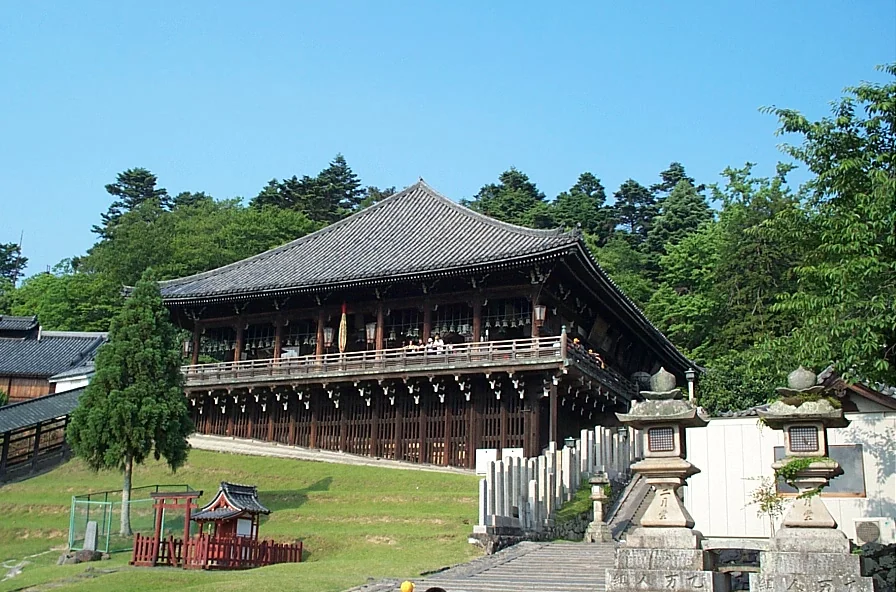
It is said to have been built in 752, then destroyed by fire in 1667. The present hall was rebuilt two years later in the same form as before the fire.
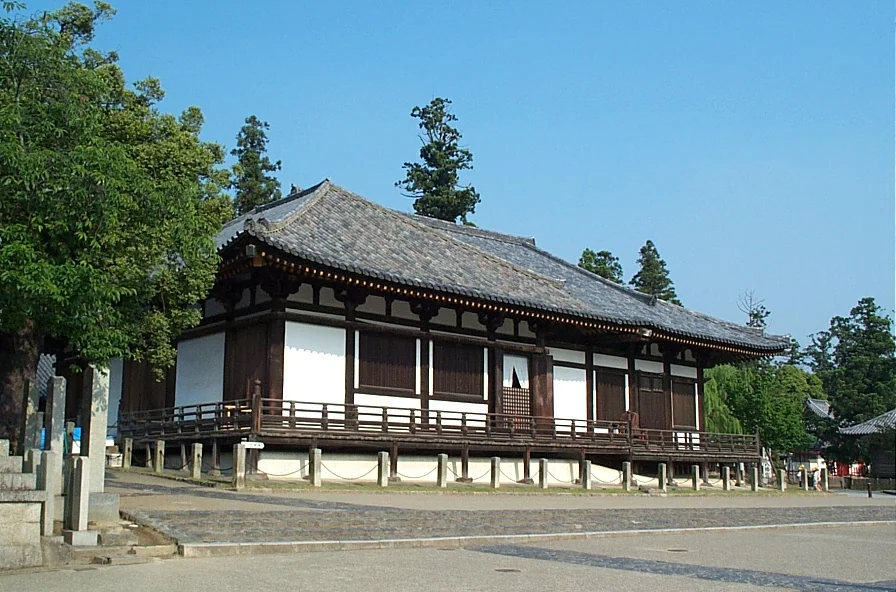
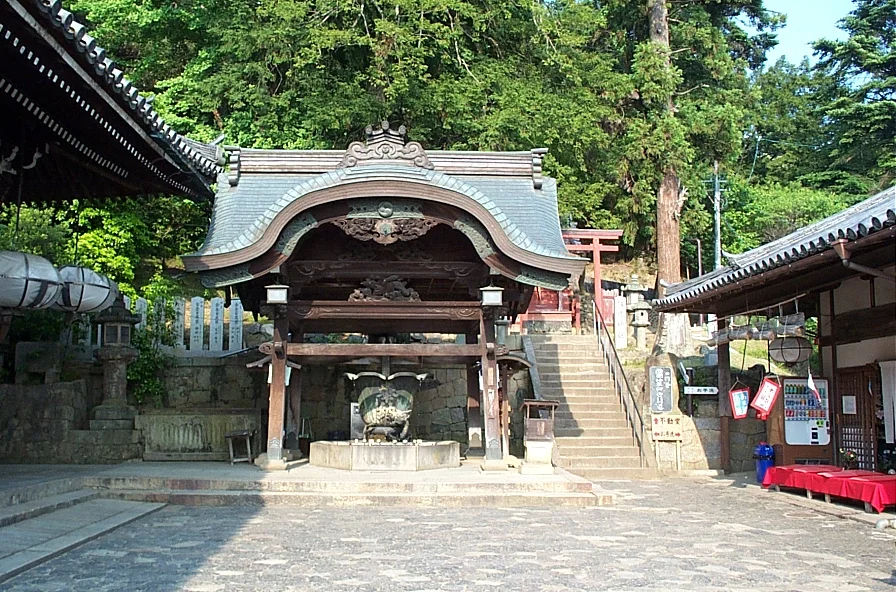
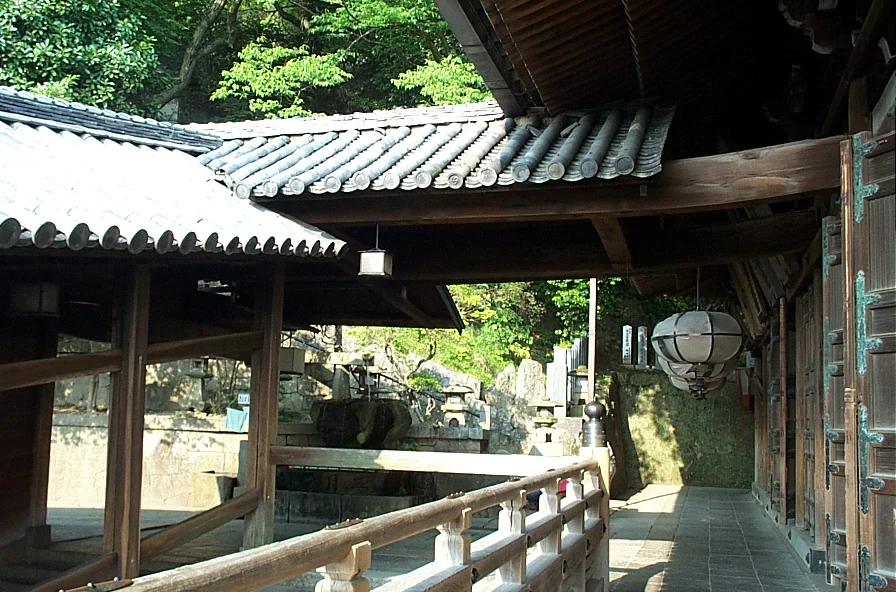
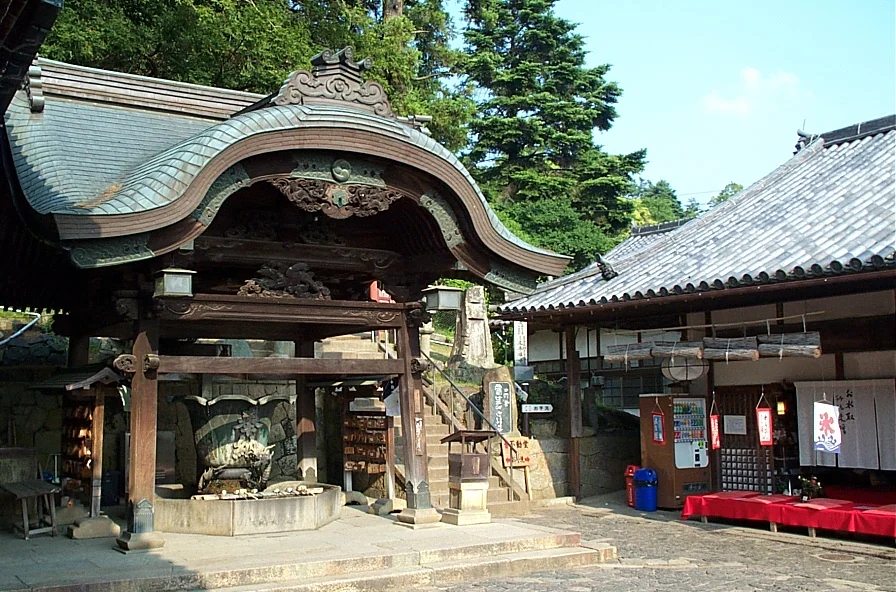
Around Nigatsu-do, there were wooden corridors, a purification basin, steps, and a torii gate. Not every photo works like a postcard landmark, but together they keep the feeling of walking upward that afternoon and moving along the edges of the temple grounds.
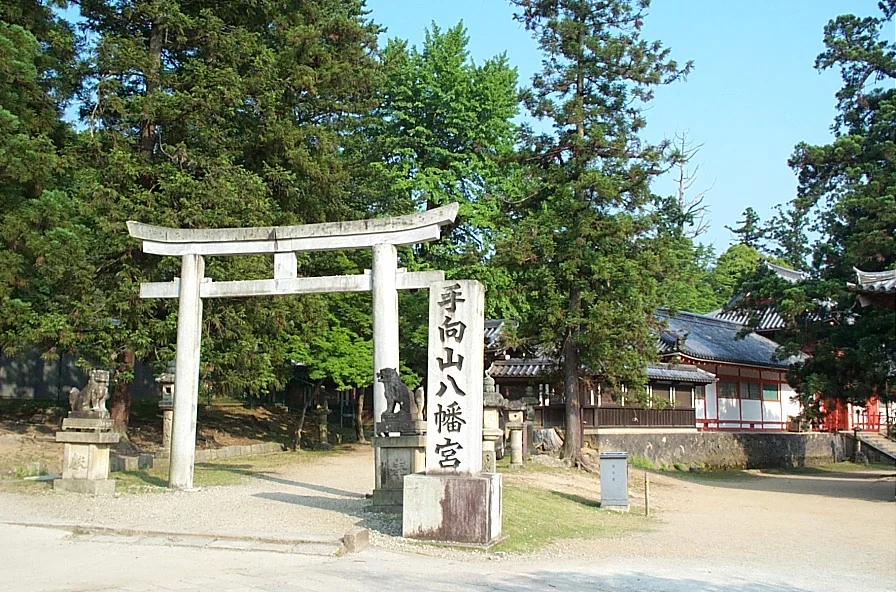
Kasuga Taisha, Then the Walk Back That Nearly Broke the Peace
From there, we continued toward Kasuga Taisha. It is one of Nara's best-known shrines, founded around the same period as the capital and dedicated to deities protecting the city.
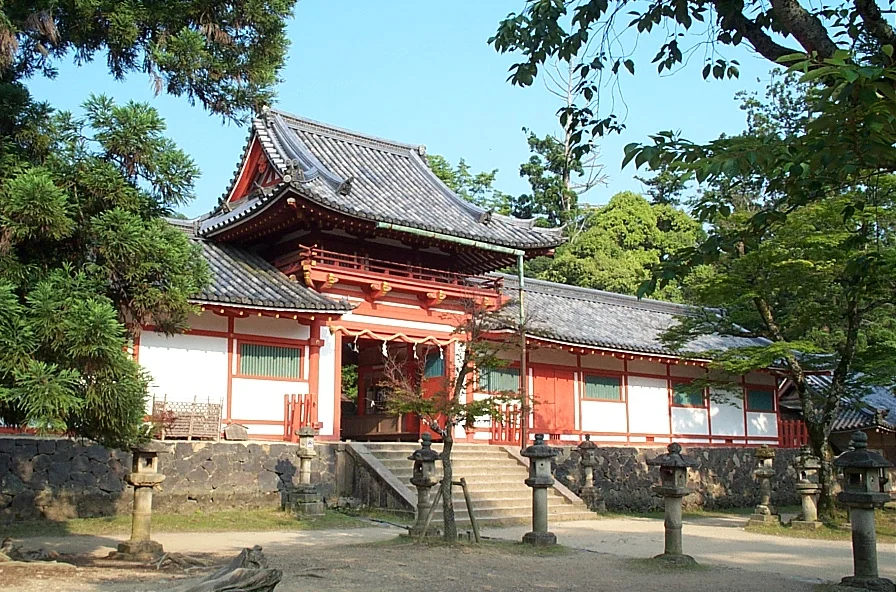
Every February and August, Kasuga Taisha holds the Mantoro lantern festival.
During the festival, nearly 2,000 stone lanterns along the approach and about 1,000 hanging lanterns inside the shrine are lit, creating a dreamlike atmosphere. Unfortunately, we did not get to see that this time...
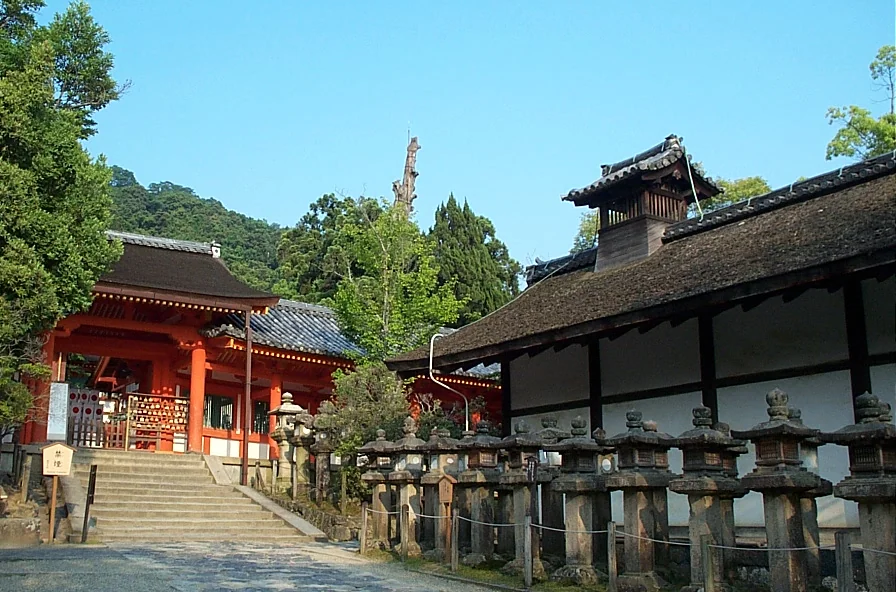
After leaving Kasuga Taisha, there was still another stretch of walking before we reached the main road...
Almost the whole day had been on foot... to the point where my wife was about ready to lose her temper...
Even though the train station was only three bus stops away...
Please remember, the same Europe travel rule applies here too: "When you see a bus, get on the bus. When you see a carriage, take the carriage."
Trust me. You will not go wrong...
Related Posts:
Keihanshin Independent Trip, Day 1 Kyoto: Nishiki Market, Kiyomizu-dera, and Kinkaku-ji
Keihanshin Independent Trip, Day 2 Kyoto: Around Arashiyama and Tenryu-ji
Keihanshin Independent Trip, Day 3: Nara Deer Park, Todai-ji, Nigatsu-do, and Kasuga Taisha
Keihanshin Independent Trip, Day 4 Osaka: Universal Studios Japan
Keihanshin Independent Trip, Day 5 Kobe: Nunobiki Herb Garden and Kitano Ijinkan
Keihanshin Independent Trip, Day 6 Himeji: Koko-en and Himeji Castle
Full Photo Gallery
Previewing up to 8 album photos. Open the gallery to browse all photos.
Originally published: 2010-08-22 Revised: 2026-07-18 View the original Blogger post