2002.06.05 Kobe: Nunobiki Herb Garden, Kitano Ijinkan, and Nankinmachi Chinatown.
By Day 5 of the Keihanshin free trip, my body was already starting to file complaints. After Kyoto, Nara, and Osaka, the plan still said Kobe: go up the mountain to Nunobiki Herb Garden, come back down to Kitano Ijinkan, eat Matsusaka beef for lunch, then move on to Nankinmachi and Kobe Port.
On paper, it looked very smooth. What I actually remember from the day is less like a travel guide and more like a chain of small decisions: walking under the June sun, trusting any food line that had locals in it, and finally admitting at the harbor after dark that Mount Rokko's night view would have to wait @.@'"
Leaving Osaka, with one station-name trap first
In the morning, we took the JR Hanshin Line from Osaka Umeda Station. Kobe was only about 25 minutes away, but for a first-time self-guided traveler, the station name was the part that could trip you up.
The stop to remember was "Sannomiya," not "Kobe." If you bought the ticket for the wrong destination, you really might not get there @.@'"
Right after leaving the station, we saw a small shop selling freshly made cream puffs. The smell was floating out of the shop, and quite a few people were already lining up. At moments like this, no deep strategy is required: in Japan, if you see people queuing for food... join the line ^.^
P.S. Thanks to the almighty convenience of Google, I later found the shop on Google Maps. It was called Sweet Oven. Street View made it look dark, ugly, and not yet open, but I also found a blog post introducing the same cream puff shop. If you happen to pass by, it might be worth spending a little time experiencing the joy of queuing for food ^.^
Up to Nunobiki Herb Garden: beautiful ropeway, very real June heat
Next, we took the City Loop Bus to the "Shin-Kobe Ropeway" stop and rode the ropeway up to Nunobiki Herb Garden. As the cabin climbed away from the city, Kobe's harbor and downtown slowly opened up below us. That was the moment the day started to feel like a different city, not just another train stop.
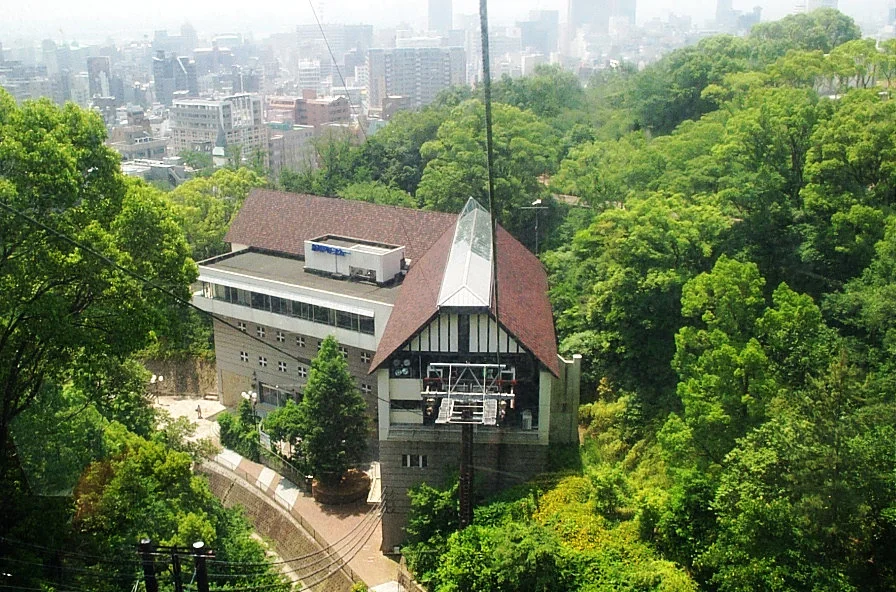
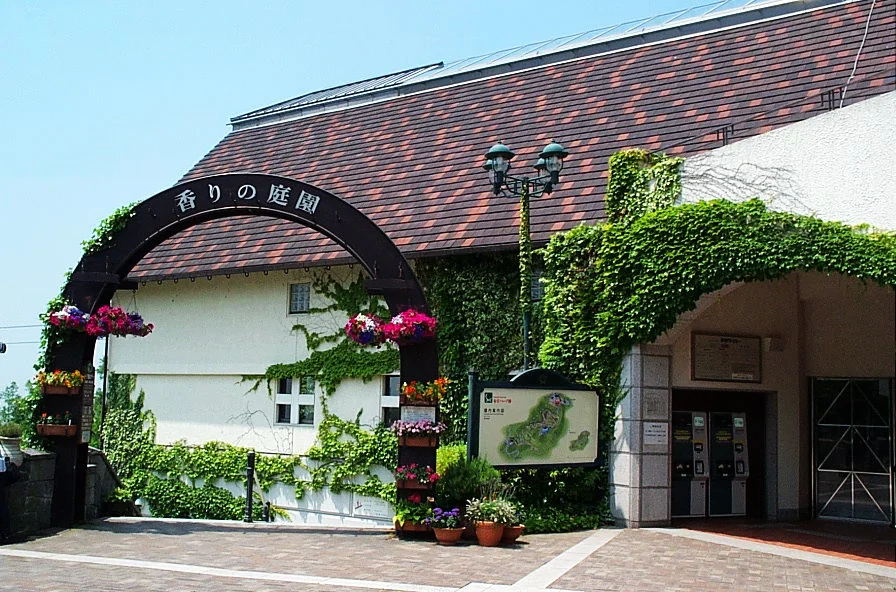
The garden itself had a European hill-garden feeling: buildings, flower beds, roses, sculptures, and plenty of places that were easy to photograph. In the photos, everything looks calm. In person, it was June in Japan, and once the sun came down, the original idea of riding up and walking down started to look less and less reliable.
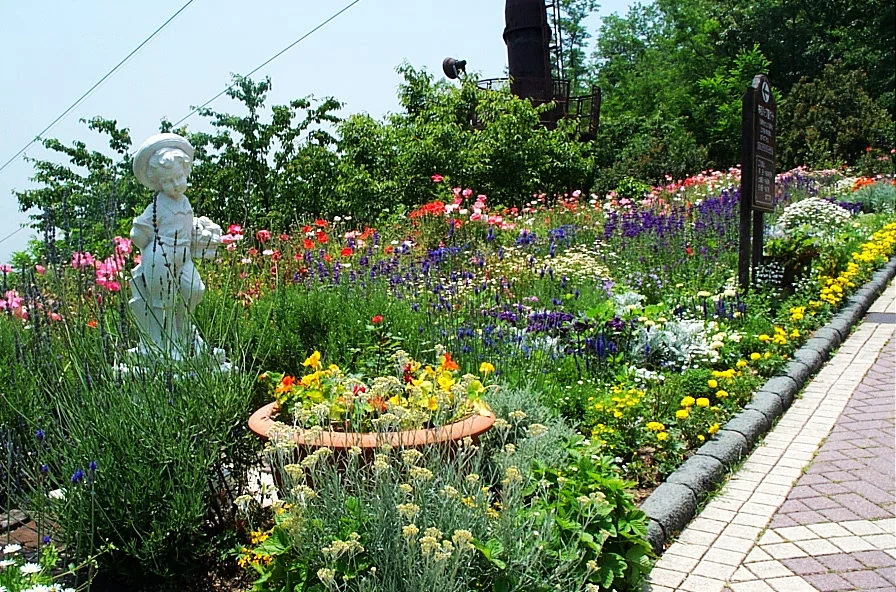
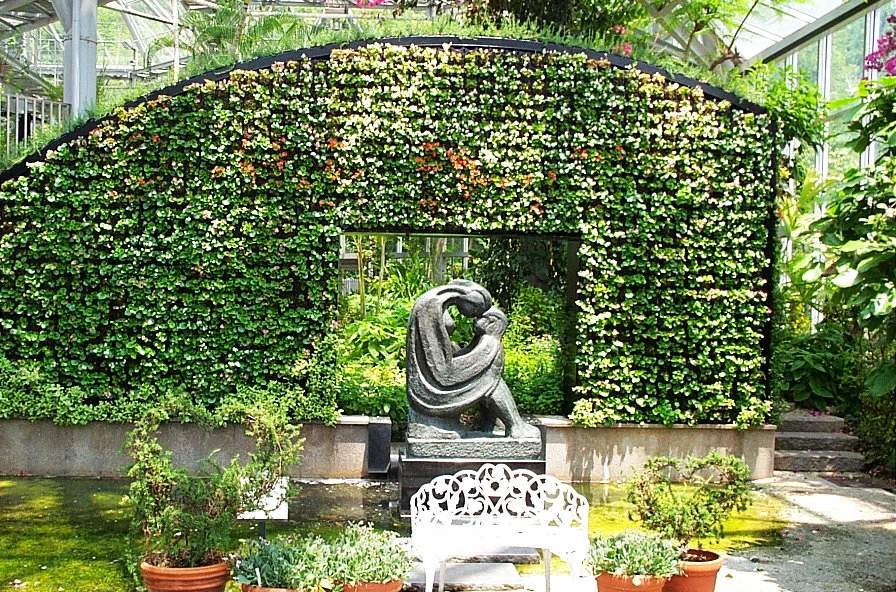
I had originally thought we could take the ropeway up and then walk down the mountain... but actually... June in Japan was pretty hot. Sometimes the most practical travel decision is simply admitting you are not that brave.
So we obediently took the ropeway back down from the midway station @.@'"
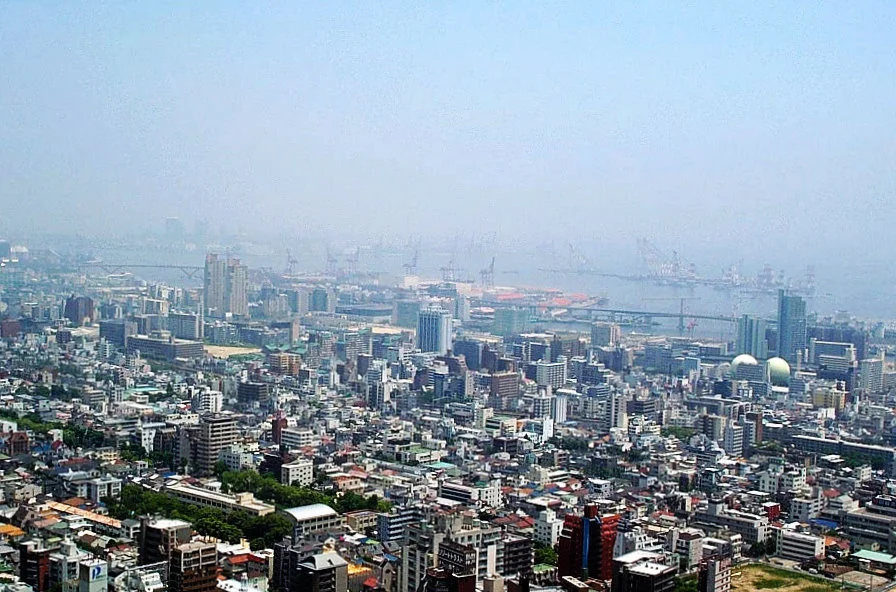
Kitano Ijinkan: sea-view Western houses, but I had already seen a lot of Europe
Back at the foot of the hill, we were in Kitano. The "Ijinkan" are basically foreign residences.
In the late 19th century, foreign residents who had moved to Kobe missed home and built Western-style houses on the high ground overlooking the sea. That is how this neighborhood with its foreign atmosphere came about.
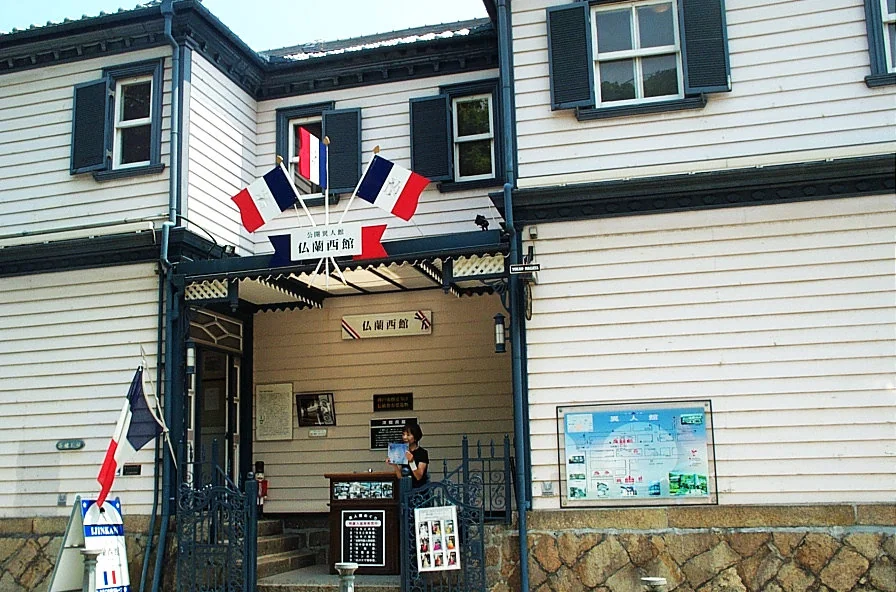
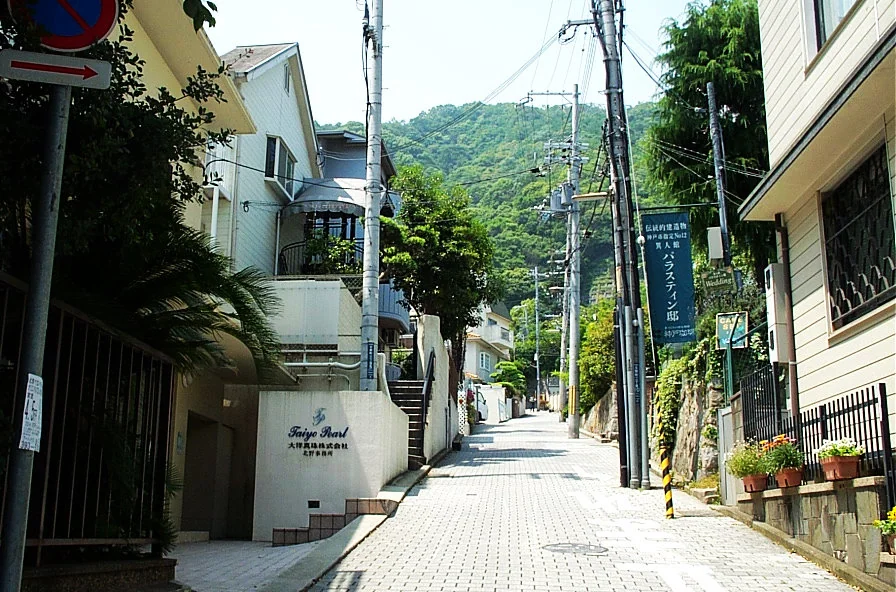
In theory, Kitano is the kind of place where you can wander slowly from house to house. The problem was that after spending a year in Europe, this style of building no longer gave me much feeling.
So after snapping a couple of quick photos, we went straight to Sandaya for the long-awaited Matsusaka beef.
Since Sandaya started as a butcher shop, they had absolute confidence in the quality and freshness of their meat.
I usually do not eat things that are not fully cooked, but when the waiter recommended the steak medium-rare, I agreed right away ^.^
Too bad I did not yet have the sense of someone writing a proper travel blog. I failed to take a good photo of a steak that cost more than 5,000 yen @.@'"
Nankinmachi and dessert: famous sweets, then a bowl of shaved ice at exactly the right time
After that, we took the City Loop Bus again to Nankinmachi Chinatown for dessert. Kobe was one of Japan's first ports opened to foreign trade after more than 200 years of Tokugawa isolation policy beginning in 1639, so Kobe's Western-style sweets are famous. Fugetsudo, in particular, is one of those classic shops people often visit in Kobe.
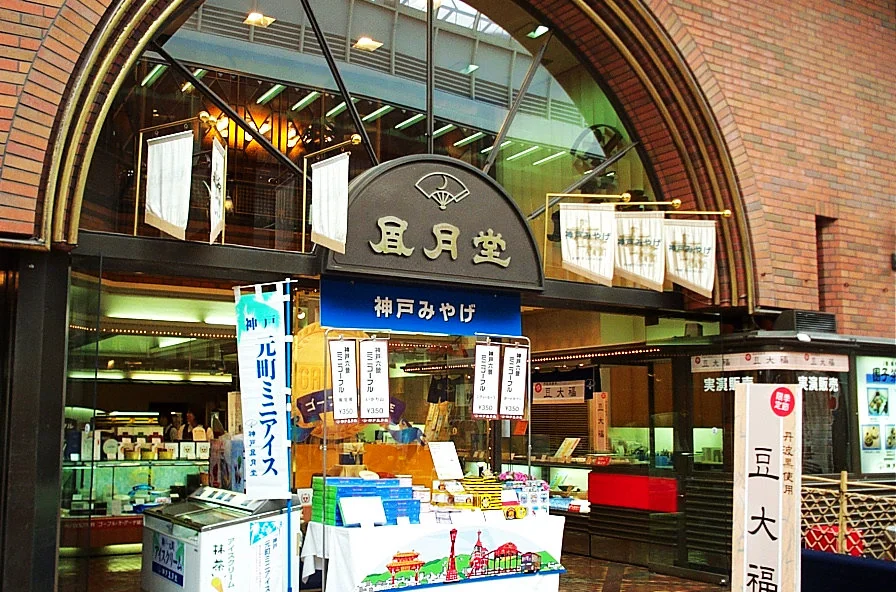
Fugetsudo's representative product is gaufres: round wafers with a thin layer of cream in the middle.
To be honest, once you say it plainly, they taste a lot like the I-Mei wafers sold at 7-Eleven in Taiwan @.@'"
The real lifesaver was something else. After walking under the sun for half the day, a bowl of red bean and matcha shaved ice - the thing called Uji kintoki in Kyoto - was deeply satisfying ^.^
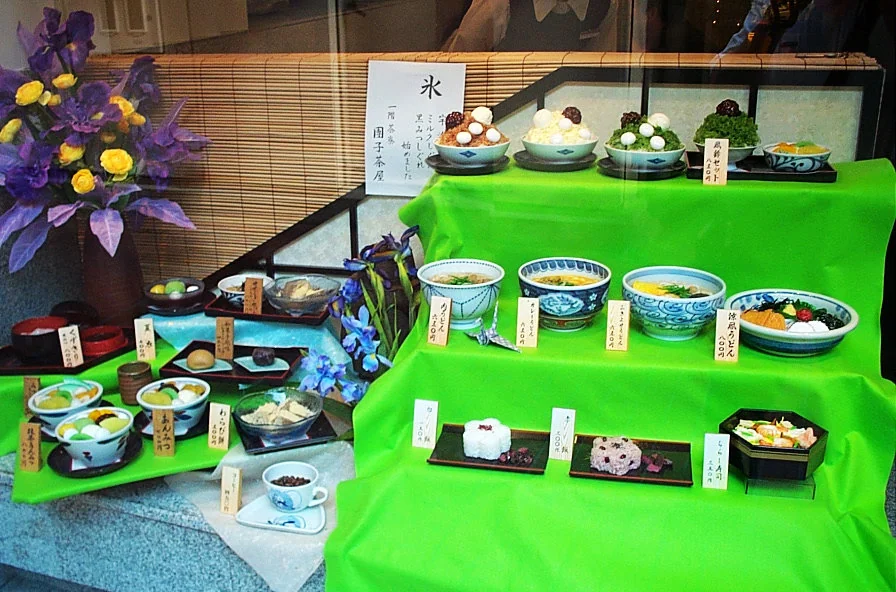
Kobe Port: the itinerary looked elegant, but I mostly wanted to rest
After resting a bit, we went to Mosaic at Kobe Port. It was nearby anyway ^.^
We had arranged a harbor cruise on the "Concerto," sailing toward the Akashi Kaikyo Bridge that connects to Awaji Island before looping back to Kobe. Photographing the ship at the harbor felt very Kobe, and once the boat pulled out, we could look back at the port tower and waterfront buildings.
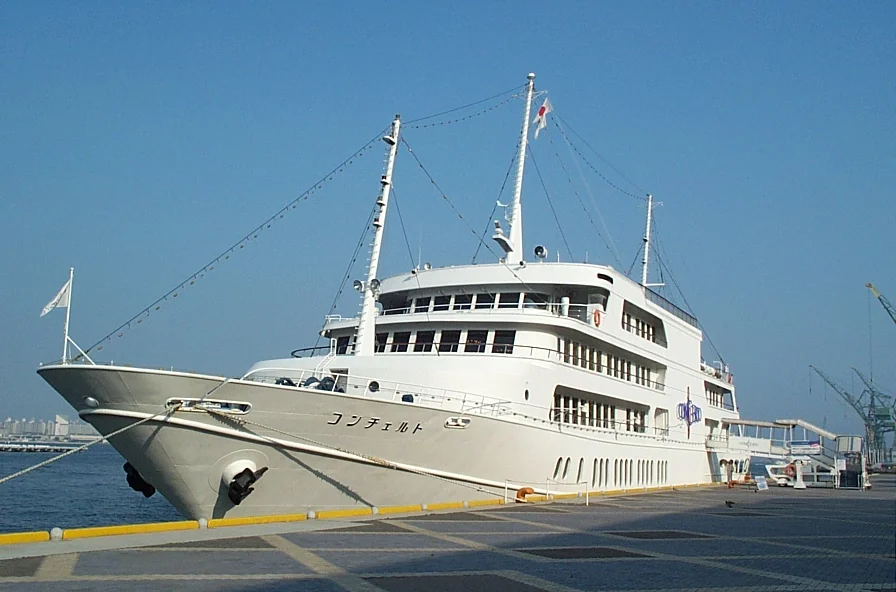
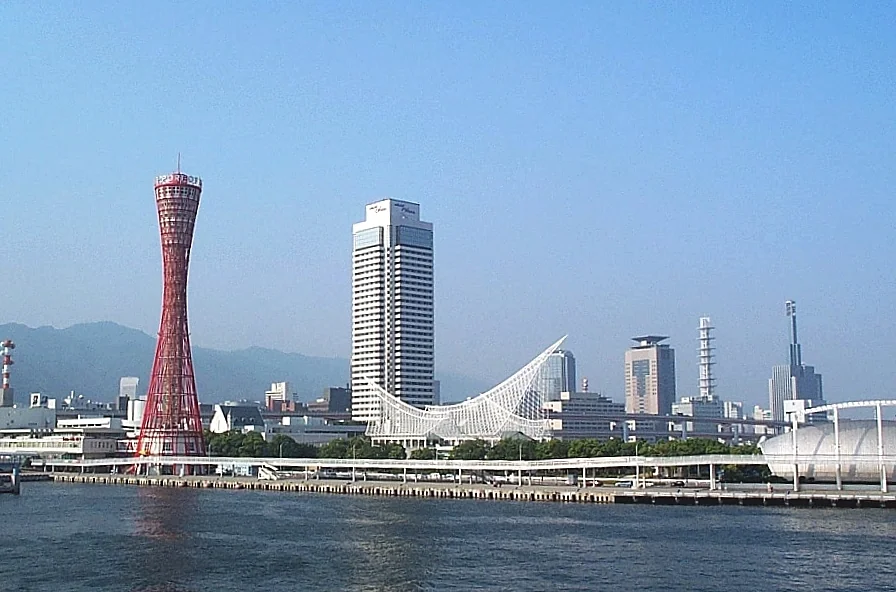
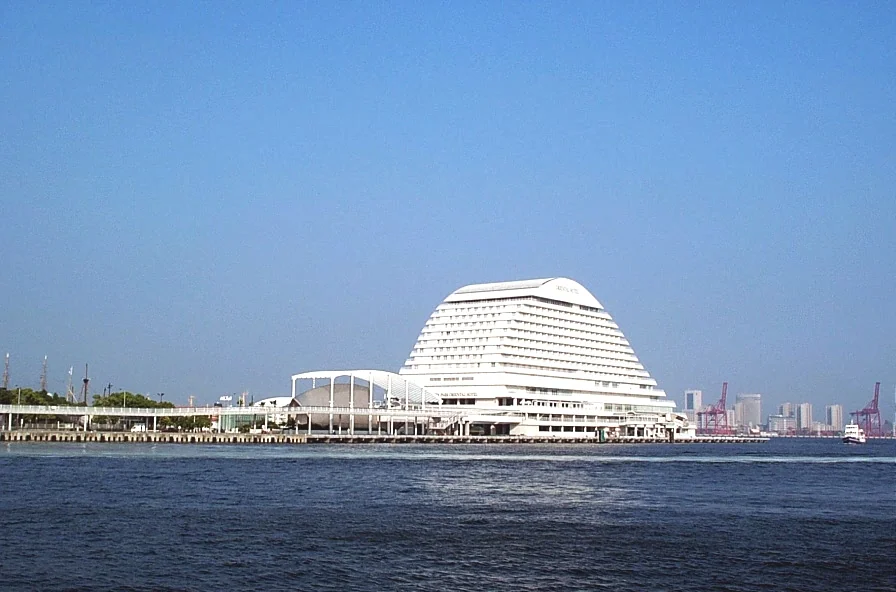
But honestly... once the ship left the harbor, there was not much to see @.@'"
After waiting and waiting to return, it was already dark T.T
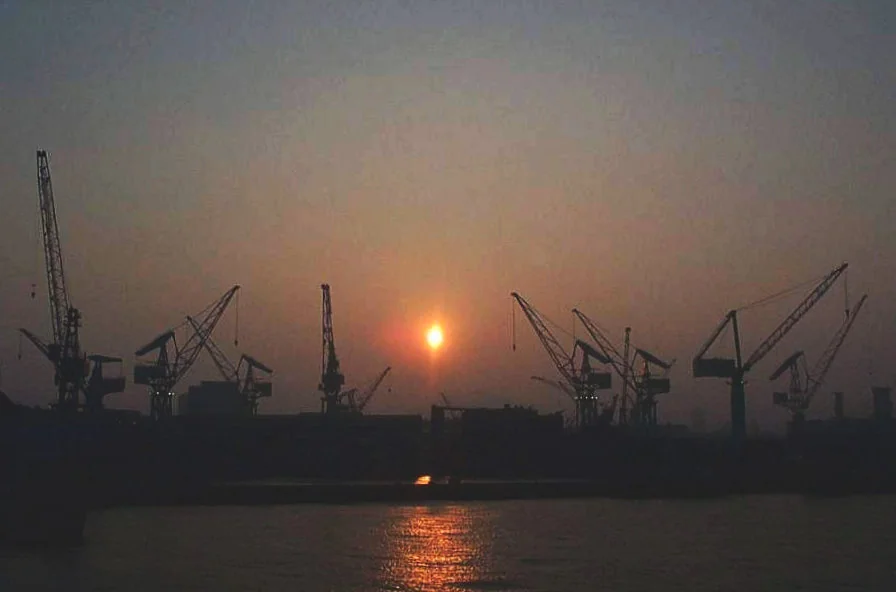
The original itinerary still had Mount Rokko's night view planned for the evening. But after six straight days of running around, we were really tired, so we had to give it up ~.~'"
Better to go back to the hotel early and rest. Tomorrow we still had to take on Himeji Castle ^.^
Related Posts
Keihanshin Free Trip - Day 1 Kyoto: Nishiki Market, Kiyomizu-dera, Kinkaku-ji
Keihanshin Free Trip - Day 2 Kyoto: Arashiyama Area, Tenryu-ji
Keihanshin Free Trip - Day 3 Nara: Deer Park, Todai-ji, Nigatsu-do, Kasuga Taisha
Keihanshin Free Trip - Day 4 Osaka: Universal Studios Japan
Keihanshin Free Trip - Day 5 Kobe: Nunobiki Herb Garden, Kitano Ijinkan
Keihanshin Free Trip - Day 6 Himeji: Koko-en, Himeji Castle
Full Photo Gallery
Previewing up to 8 album photos. Open the gallery to browse all photos.
Originally published: 2010-08-22 Revised: 2026-07-18 View the original Blogger post