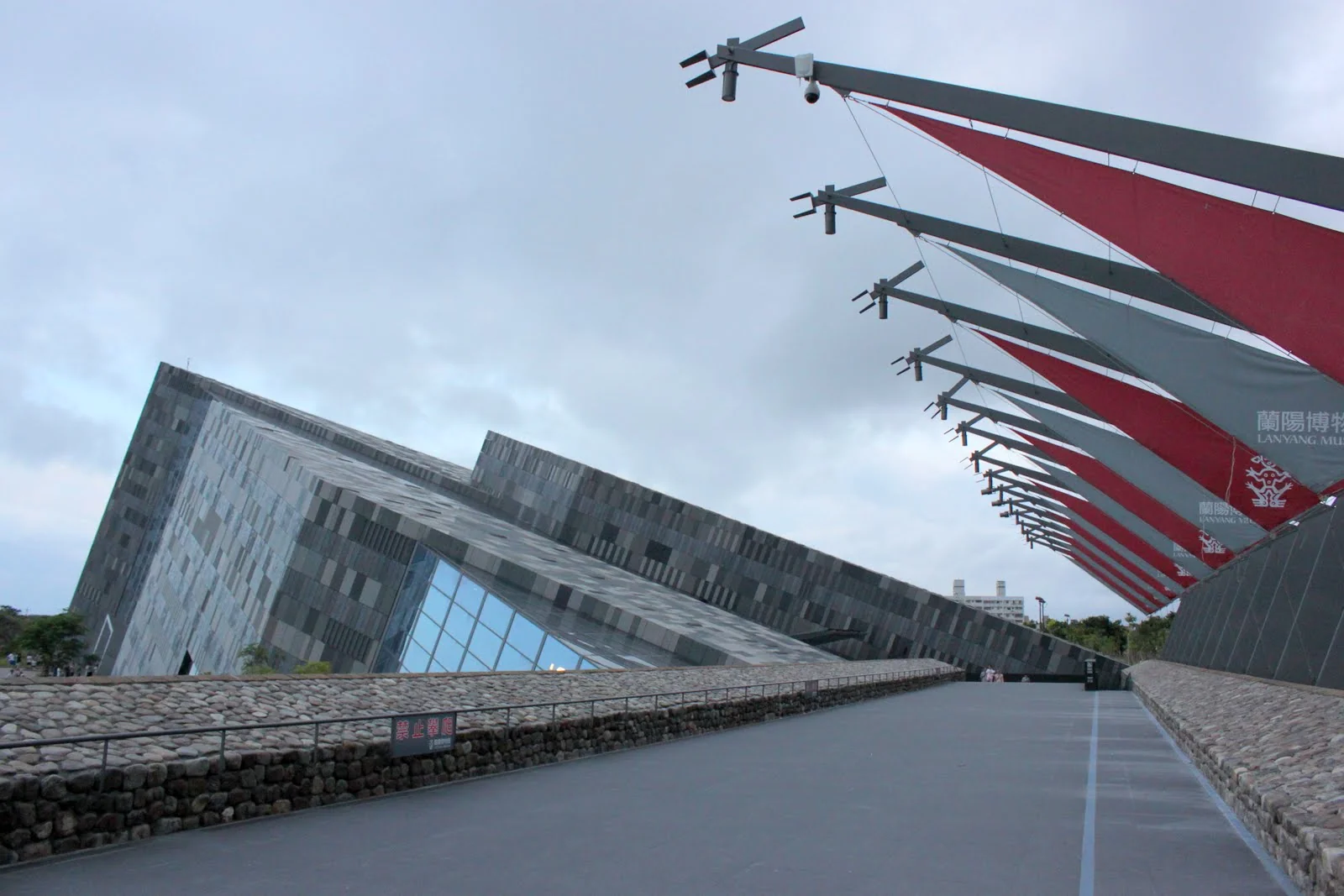
September 11, 2010 — Lanyang Museum, Toucheng, Yilan. Canon EOS 500D, 18–55mm F3.5–5.6.
My brother-in-law took us to a new attraction today: Lanyang Museum.
Whew...we had finally escaped our usual weekend routine of hiding from the heat in department stores. (Why do I suddenly feel someone glaring daggers at my back? .)
Of course, when our family leaves the house is basically determined by Lisa and Belle's mouths. Not because they get to make the decision...but because we cannot go anywhere until they finish. Every. Bite. Of. Lunch. >.<'"
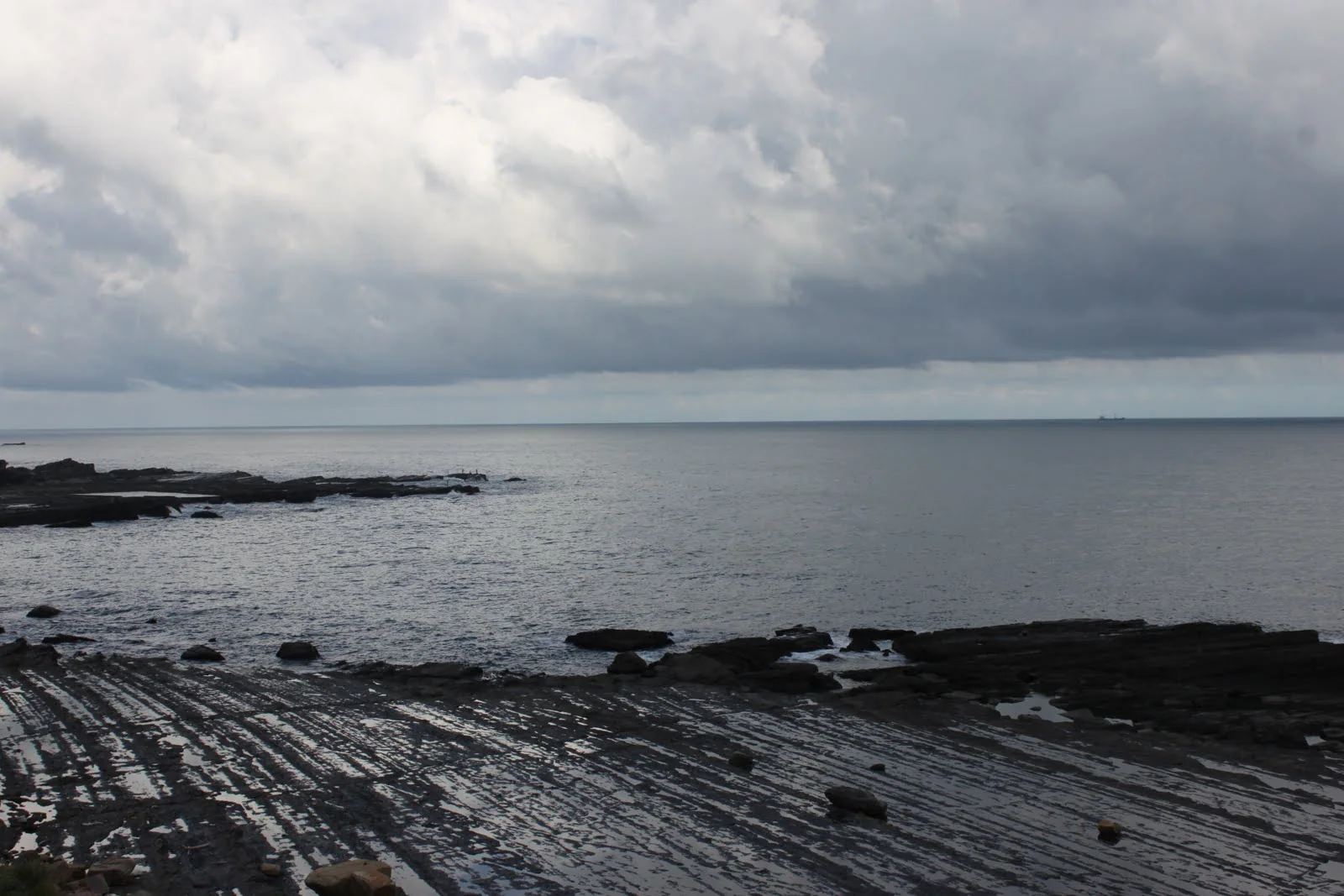
The sky had been bright and sunny, but by the time we reached the North Coast it was covered in dark clouds. We were trying not to lose too much time, so we passed one beautiful stretch of coastline after another without stopping. To keep my vast readership satisfied, I finally pulled over and snapped a couple of quick photos.
At first glance, this next one may not look like much. In photography, though, there is a technical term for those rays of light breaking through the clouds: “Jesus light.”
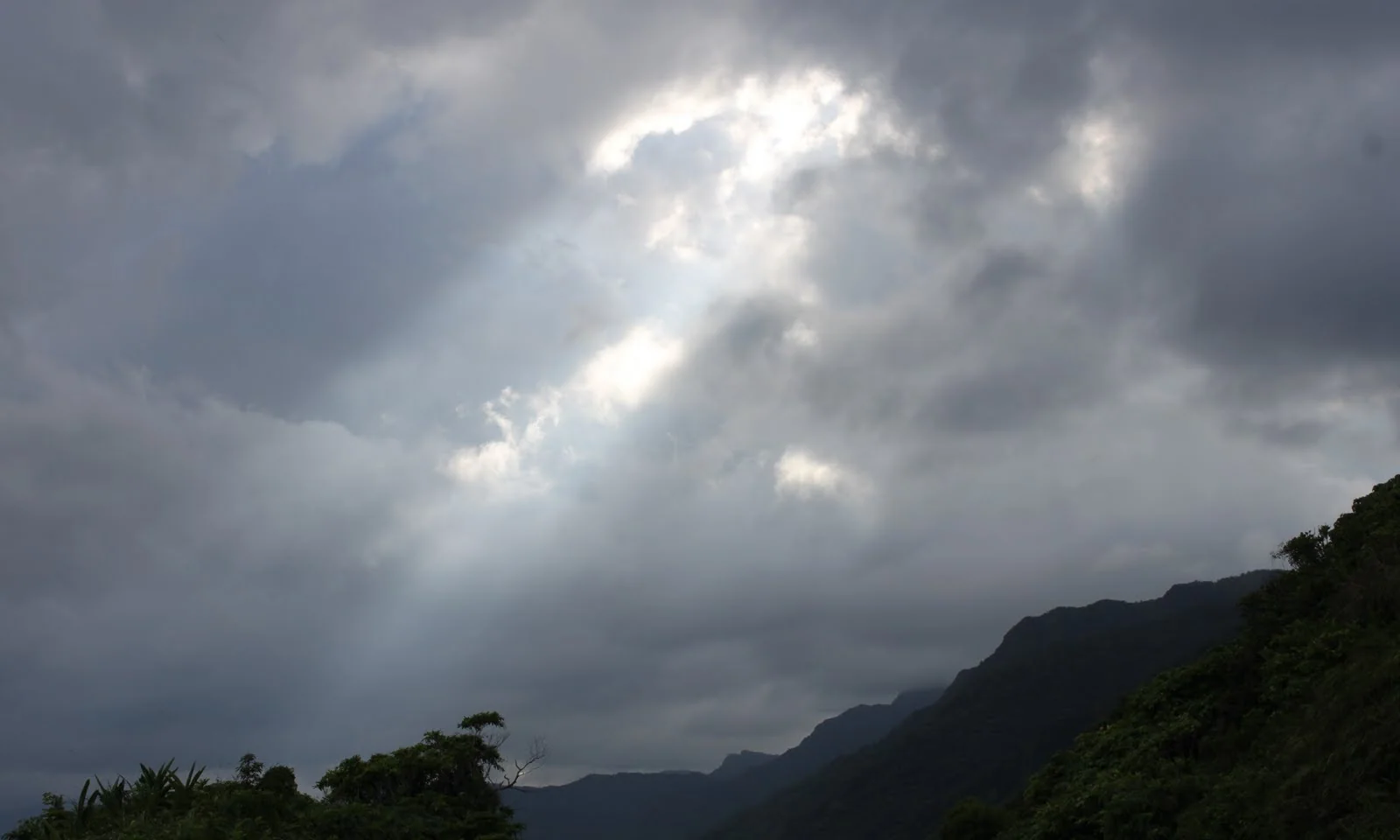
Still cannot see it? Never mind. It has nothing to do with whether you have an eye for photography. The picture simply is not very good...
For a more convincing example, take a look at my Lake District post.
We made it...we made it. Coming along the coastal highway, the museum appeared just past Wushi Harbor. If you reached central Toucheng...you had gone too far.
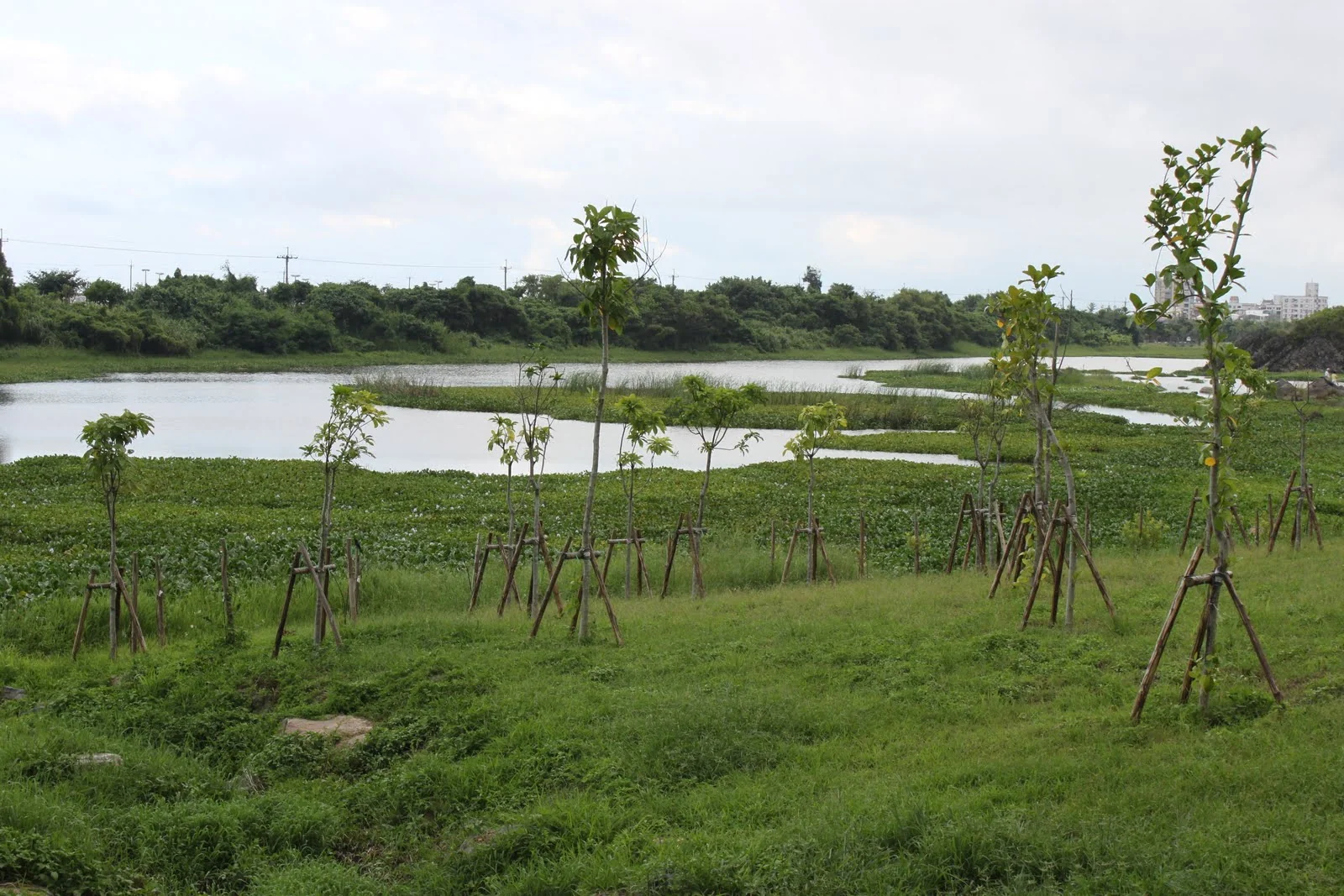
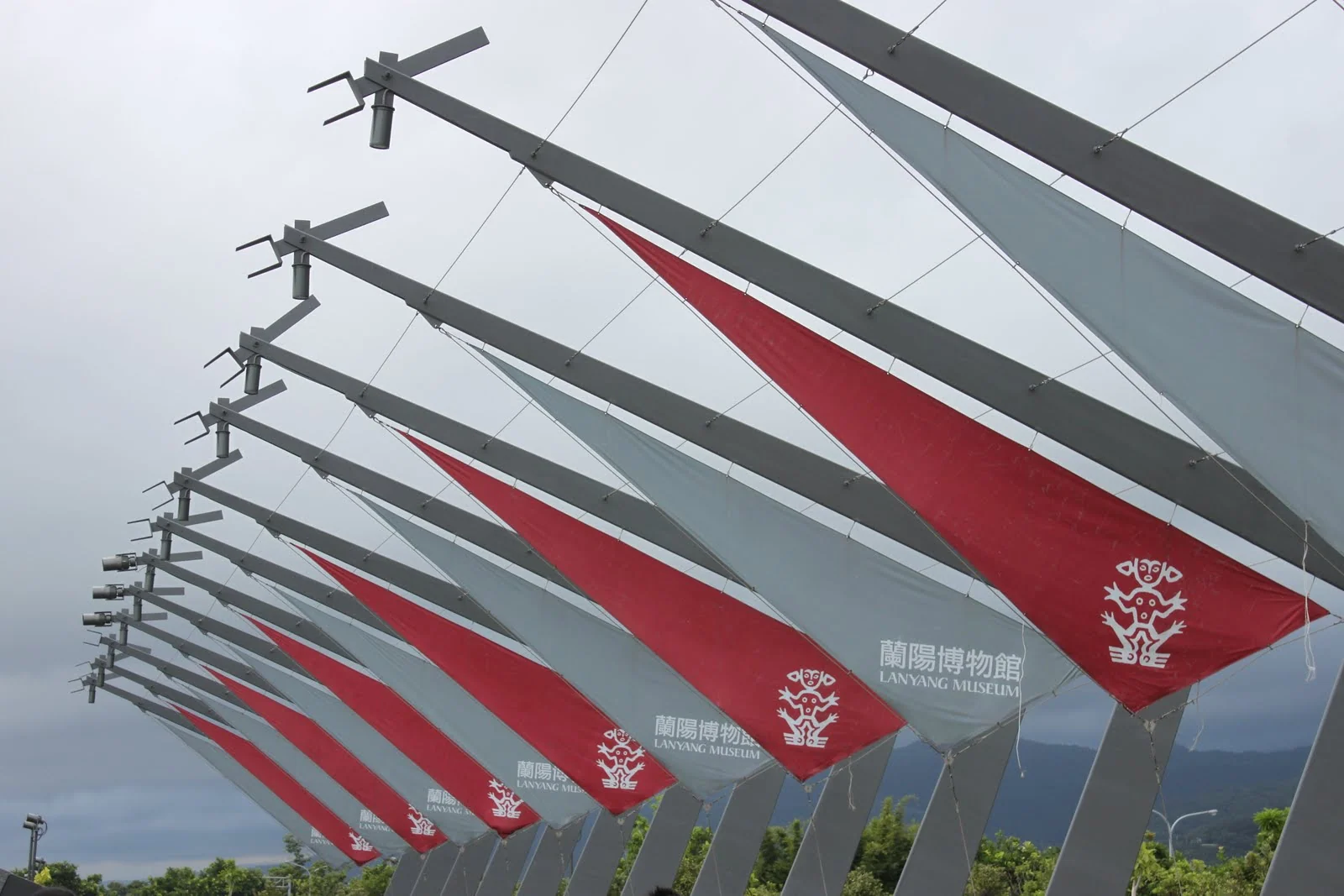
The building had all the character of a modern museum. During our September 2010 visit it was still in its trial-opening period. The visitor route took us straight to the top floor, then led us down through the galleries.
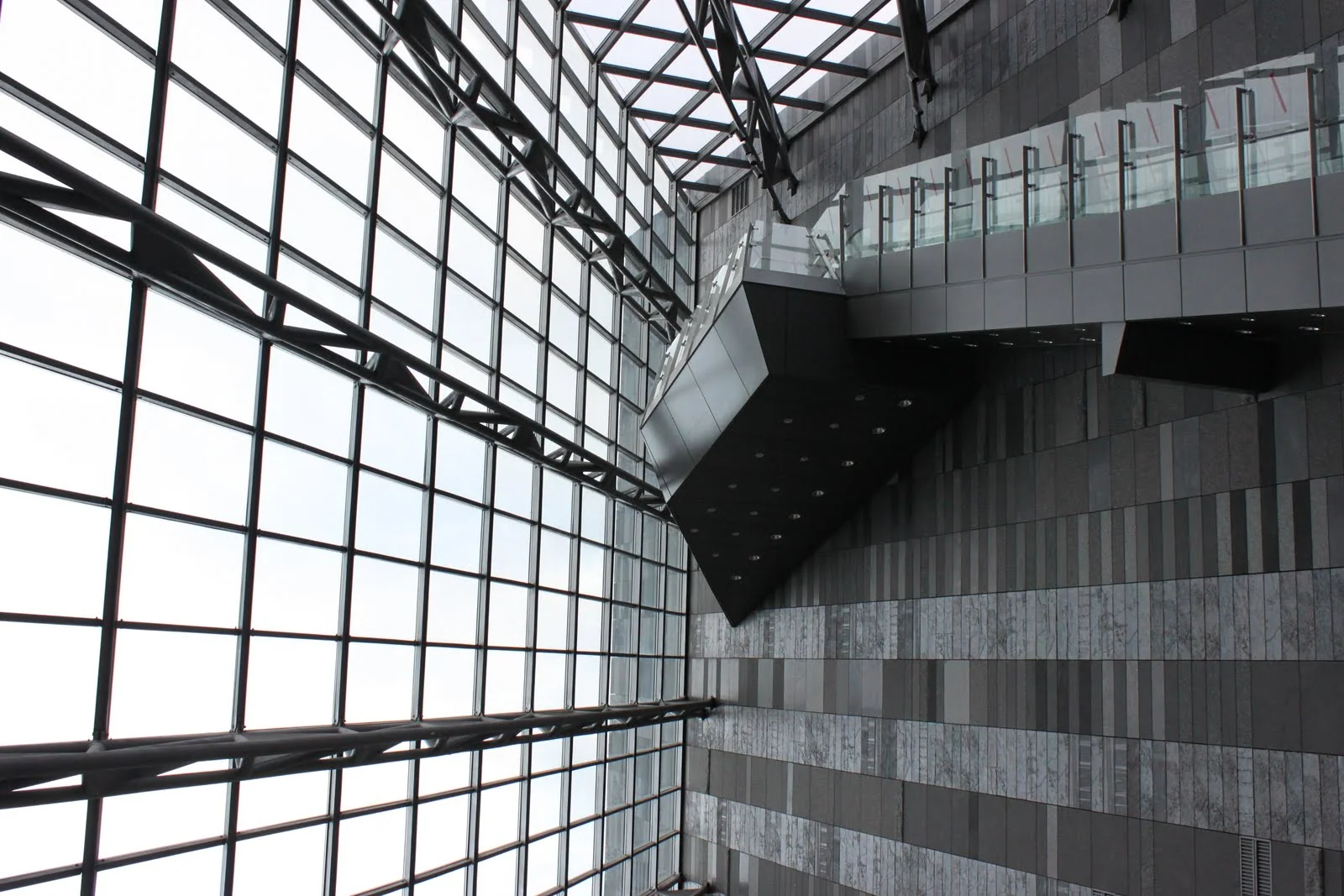
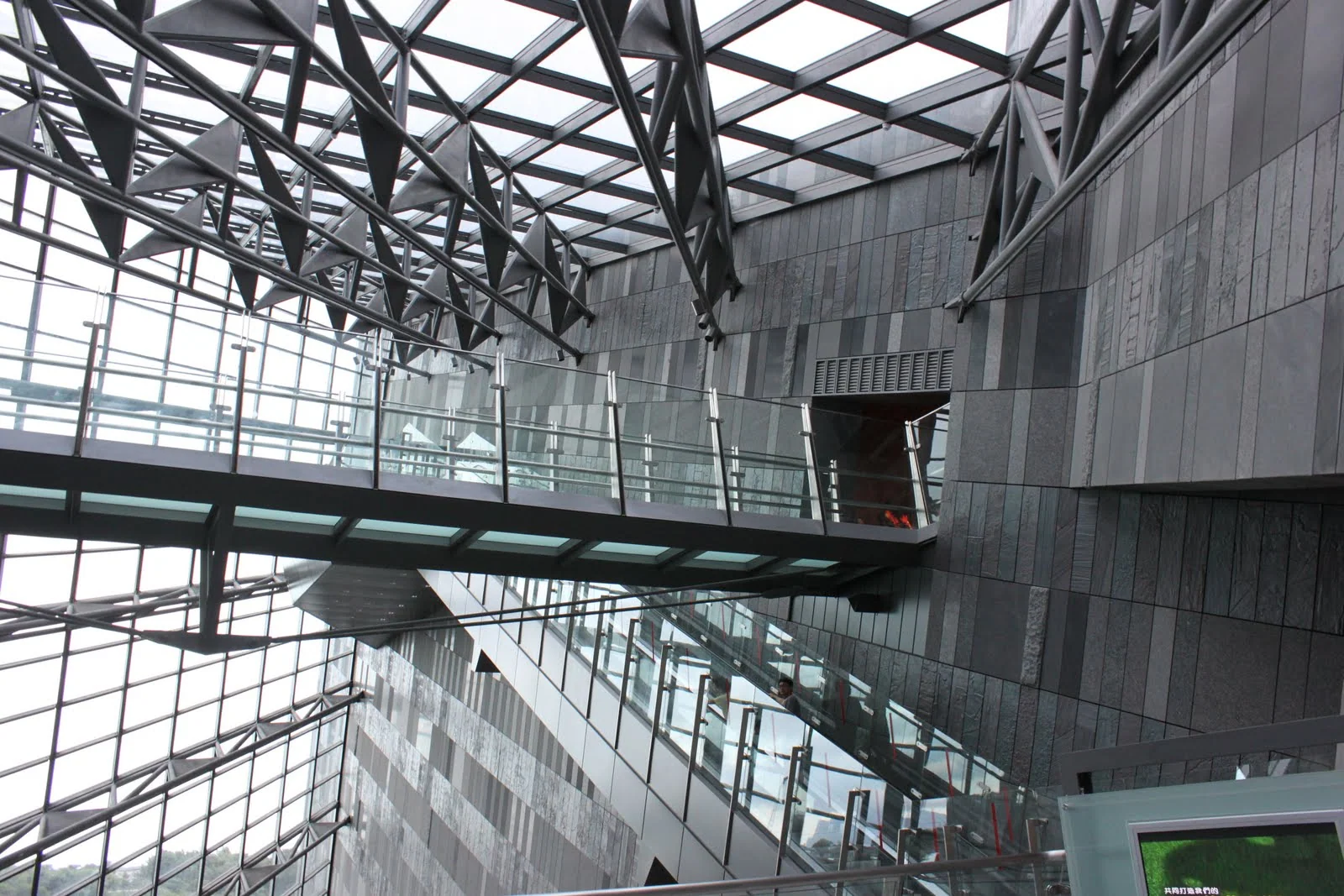
The first displays in the upper gallery introduced Yilan's local plants, animals, and insects.
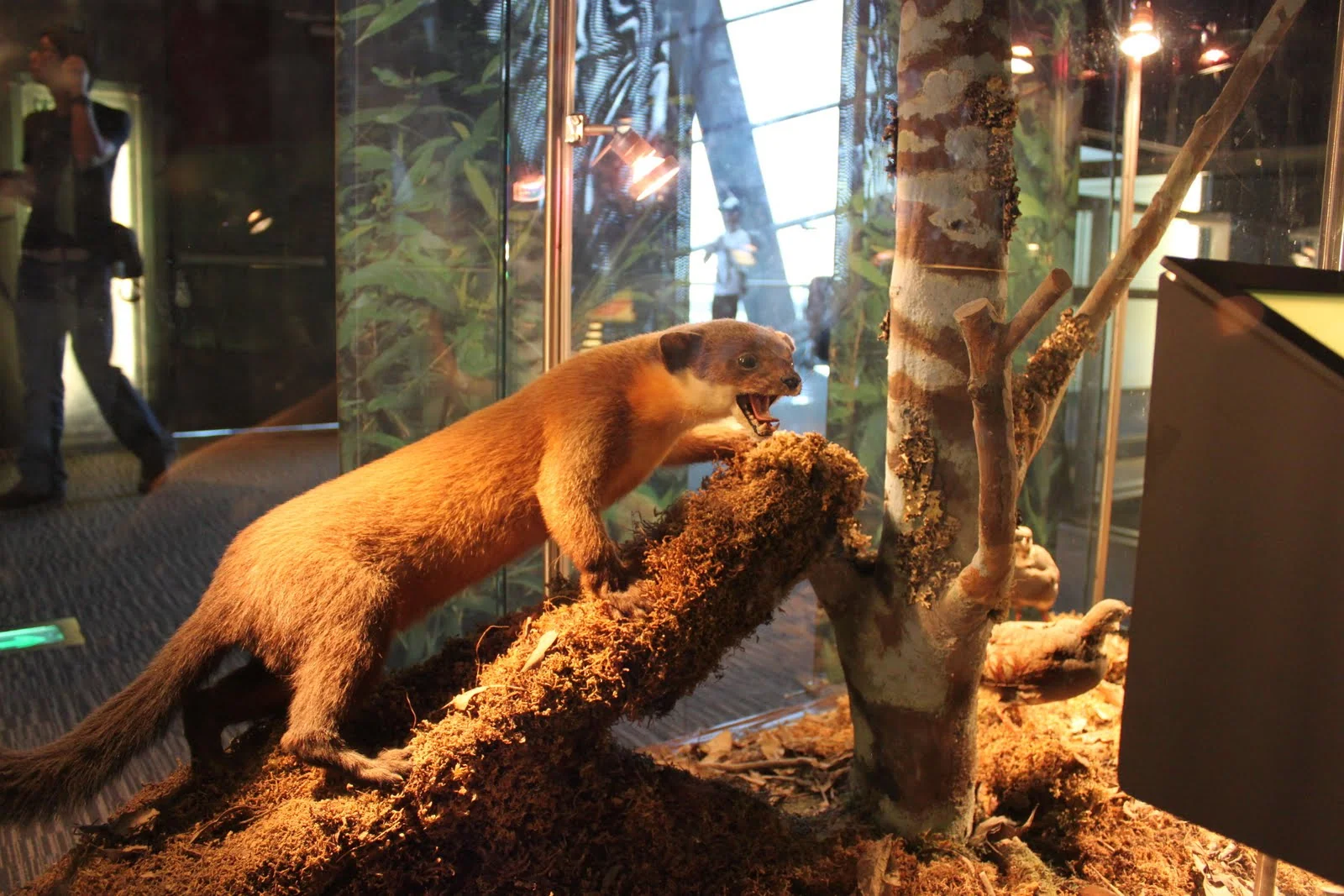
As a rule, anything with more than four legs was not allowed into my photos. I might frighten myself. ~.~'"
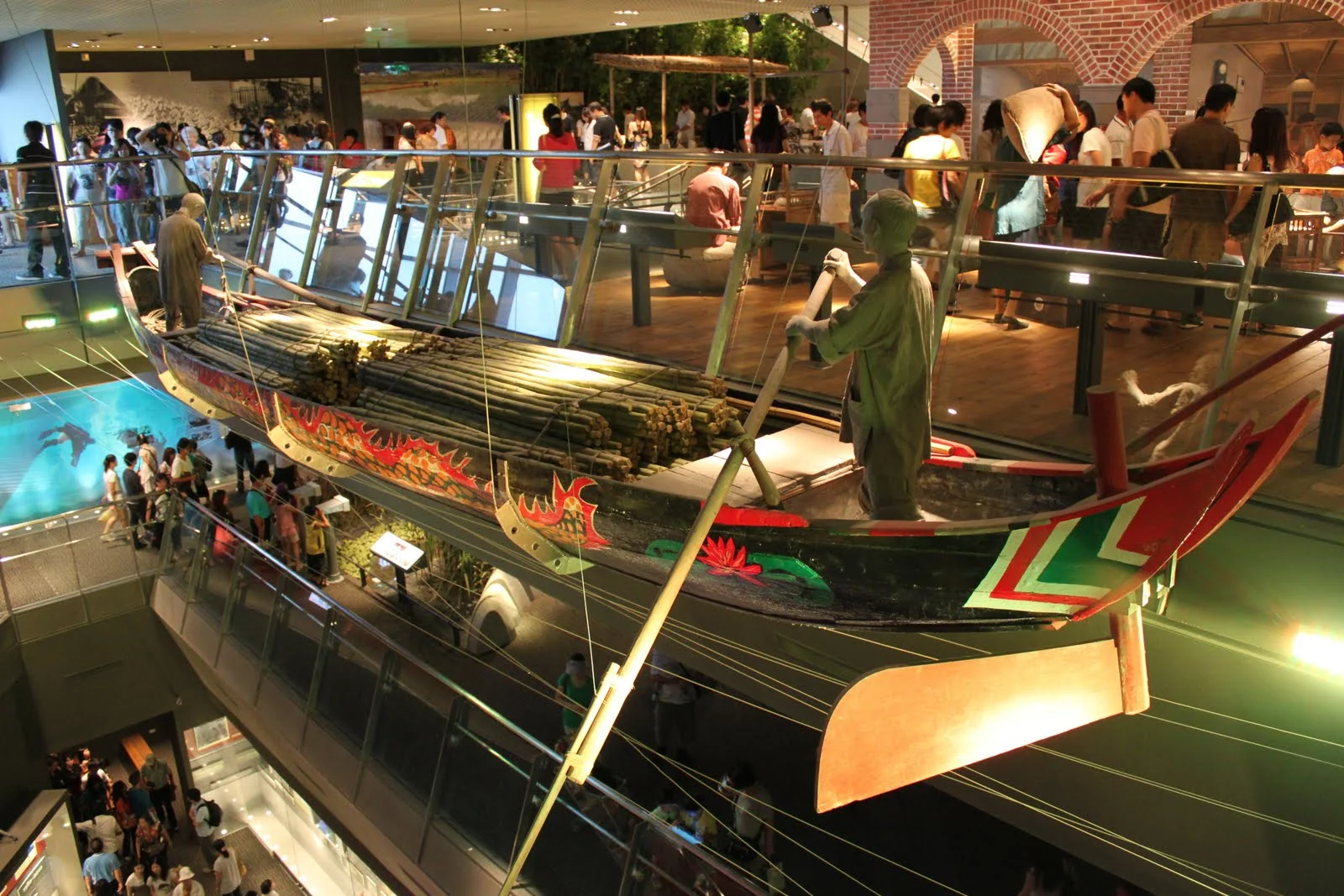
The middle floor focused on Yilan's folk traditions and rural life.
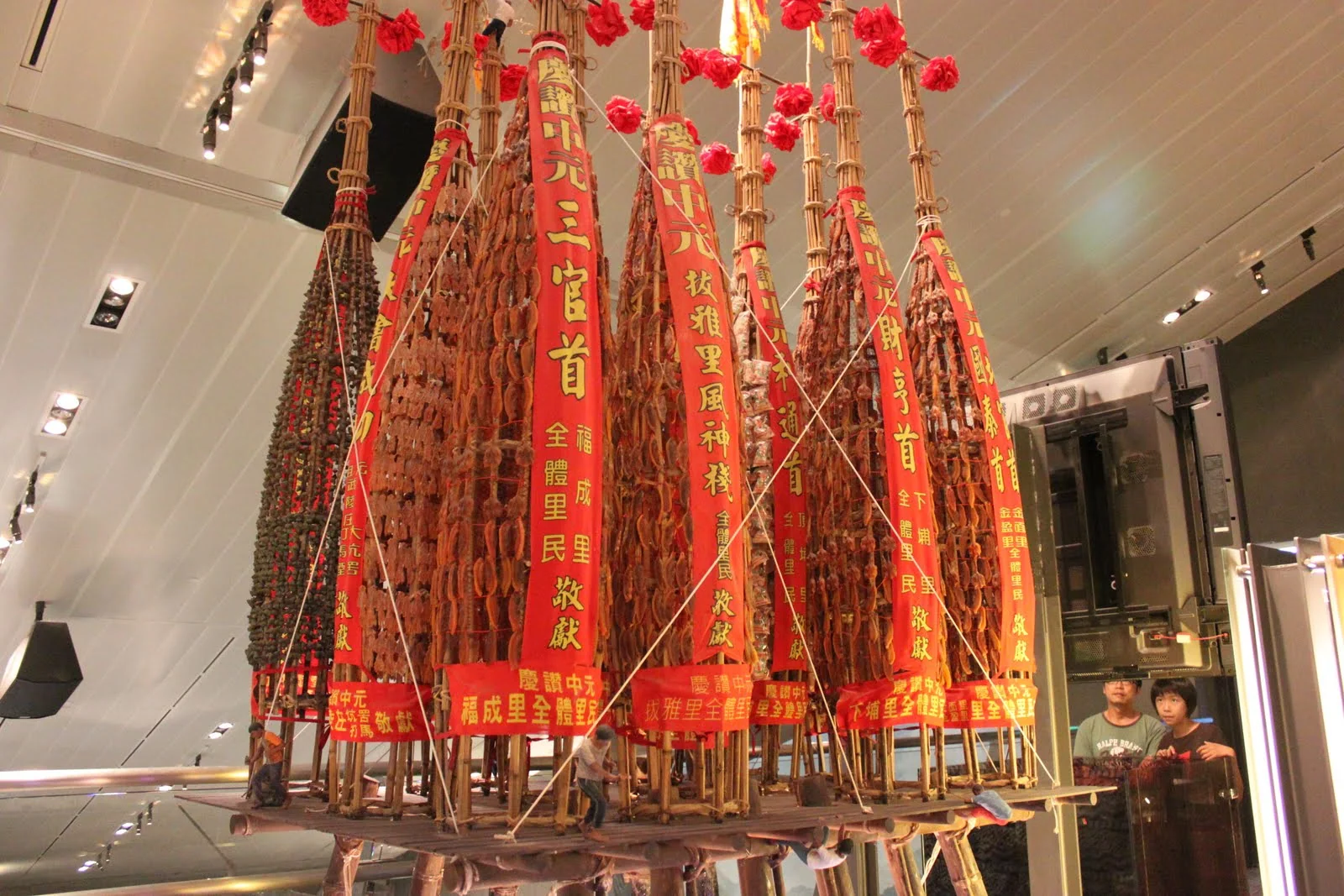
One exhibit contained a model of the tall ceremonial structure used in Toucheng's Qianggu ritual. Toucheng was an important early base for Han settlers entering the Lanyang Plain. Local communities held Ghost Month rites for those who died during the region's settlement, concluding with the Qianggu ceremony on the final night of the lunar seventh month.
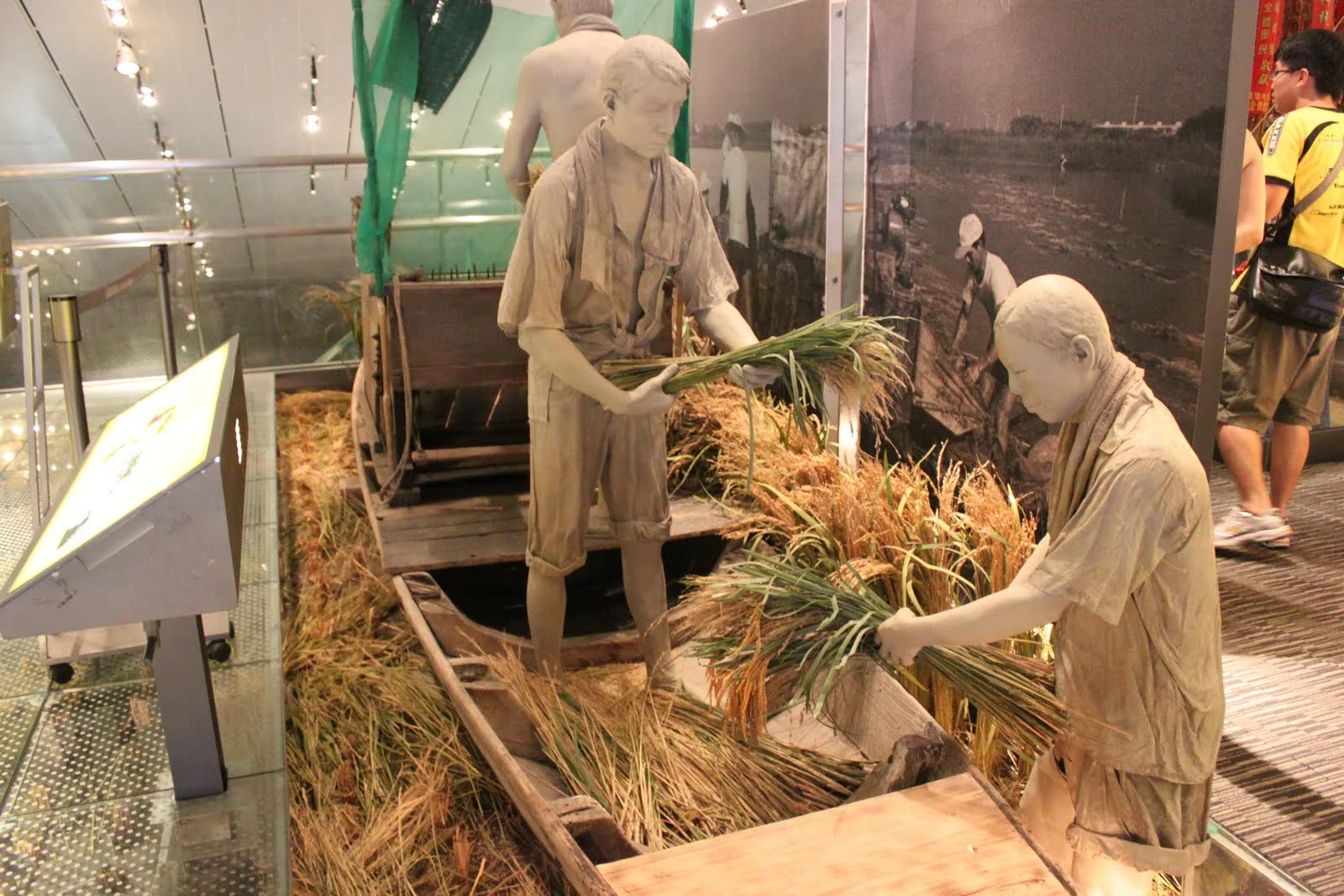
The Lanyang Plain is also one of Taiwan's rice-growing regions. Seeing so many “models” around the museum made it difficult not to think of Night at the Museum. ~.~'"
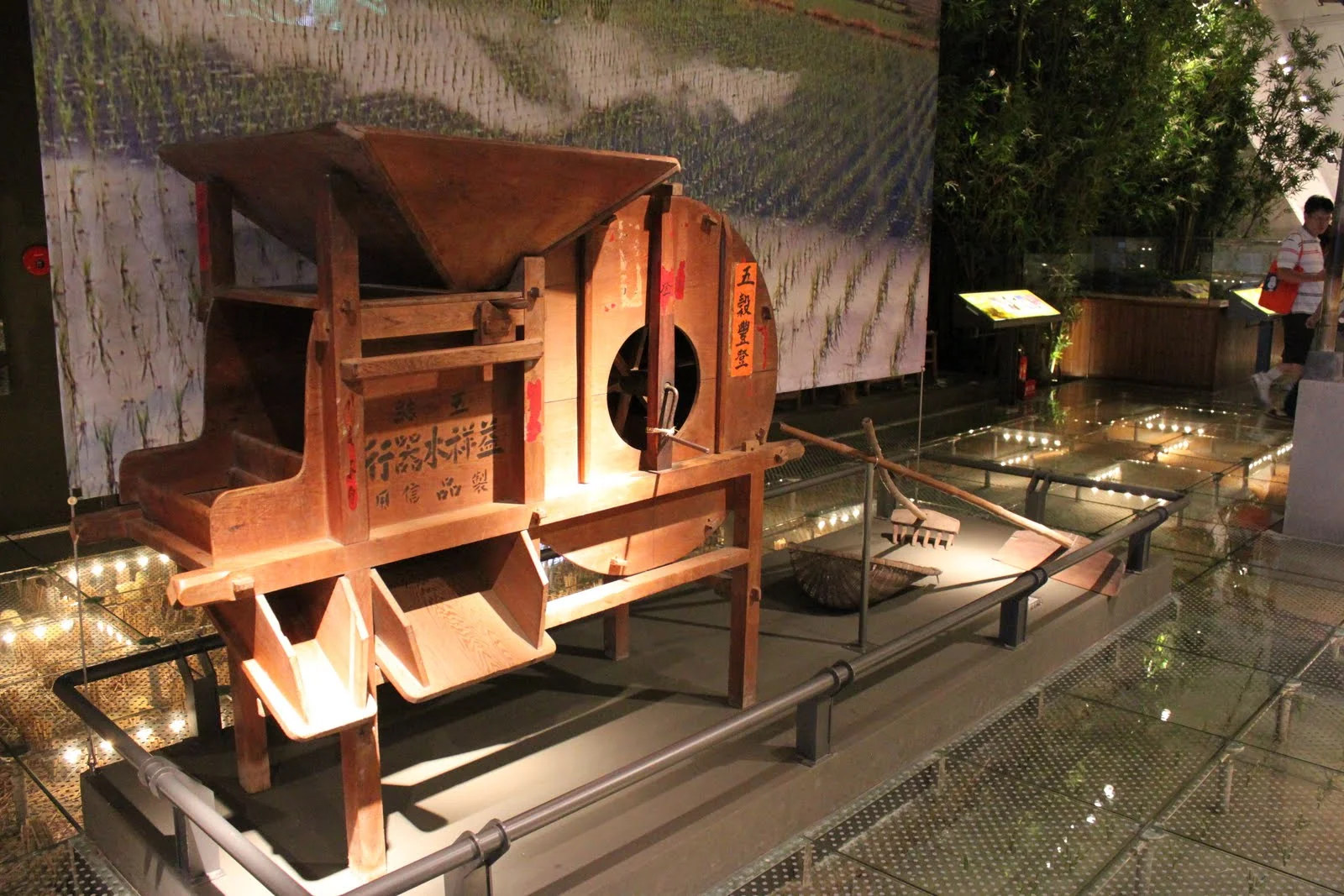
There was also traditional equipment once used to mill rice in farming communities.
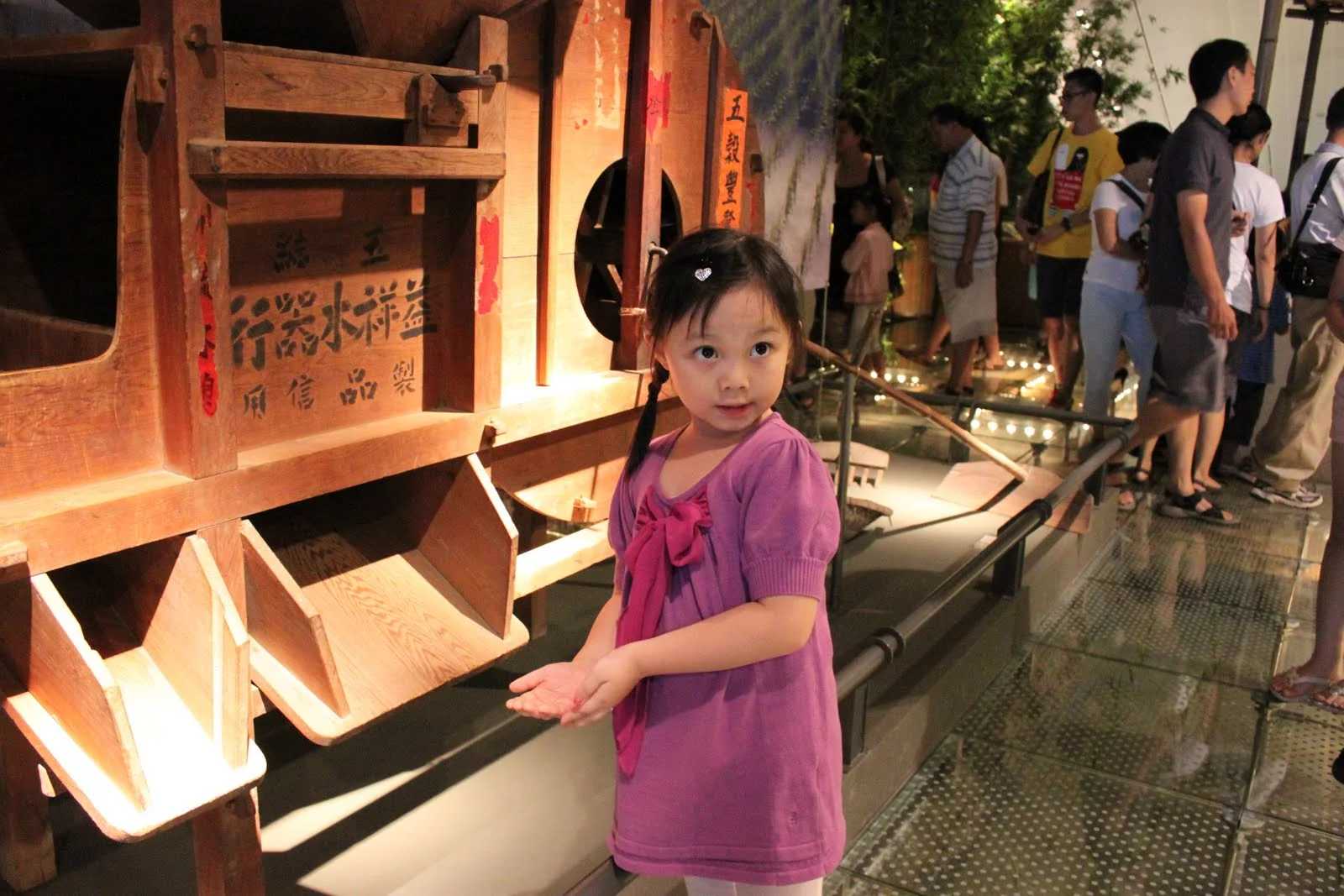
So the museum was not only interestingly designed; it had plenty of meaning inside as well. I had grown this old without ever seeing many of these objects or scenes—let alone children today. @.@'"
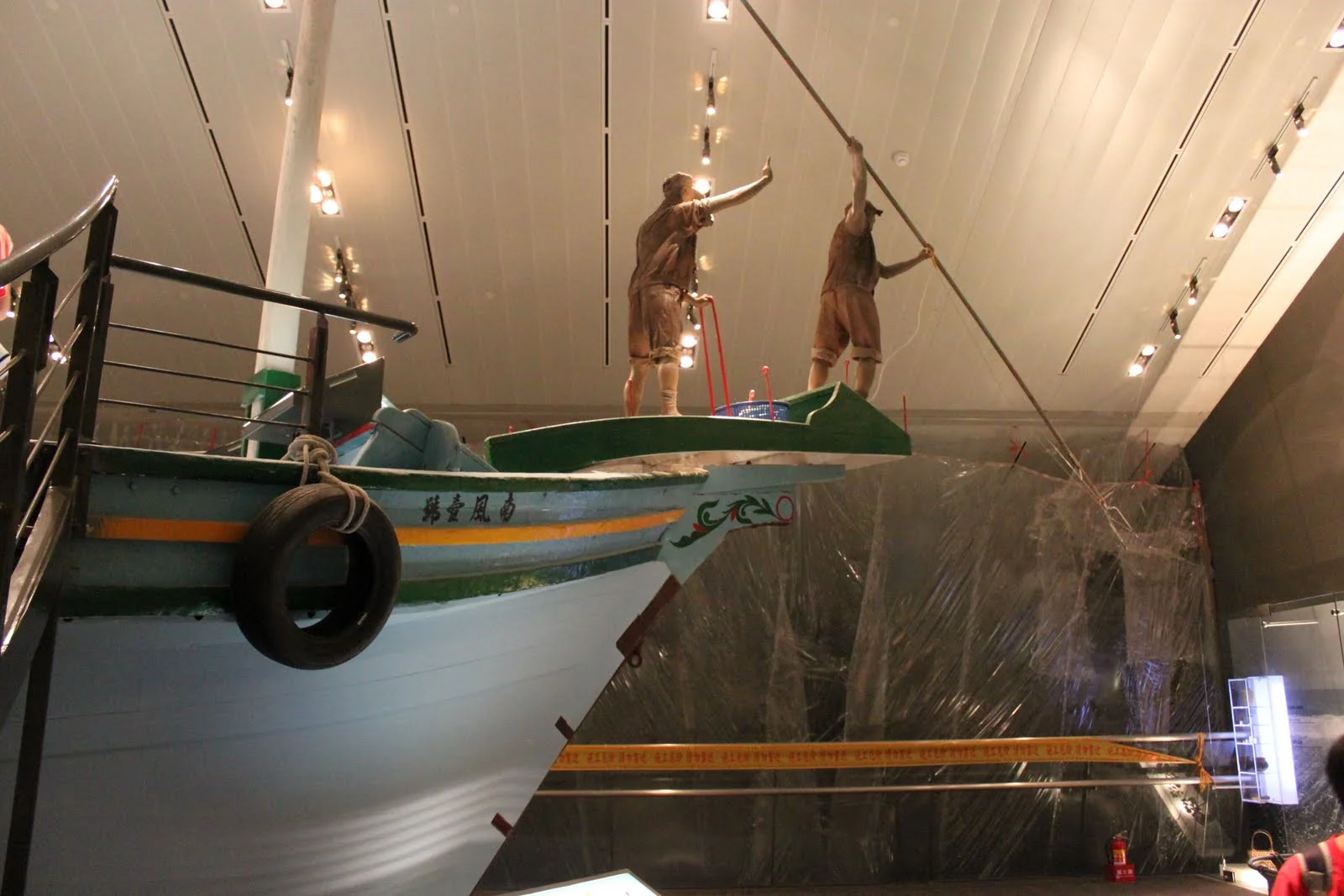
In the maritime gallery, Lisa announced, “When I grow up, I want to be a captain too...”
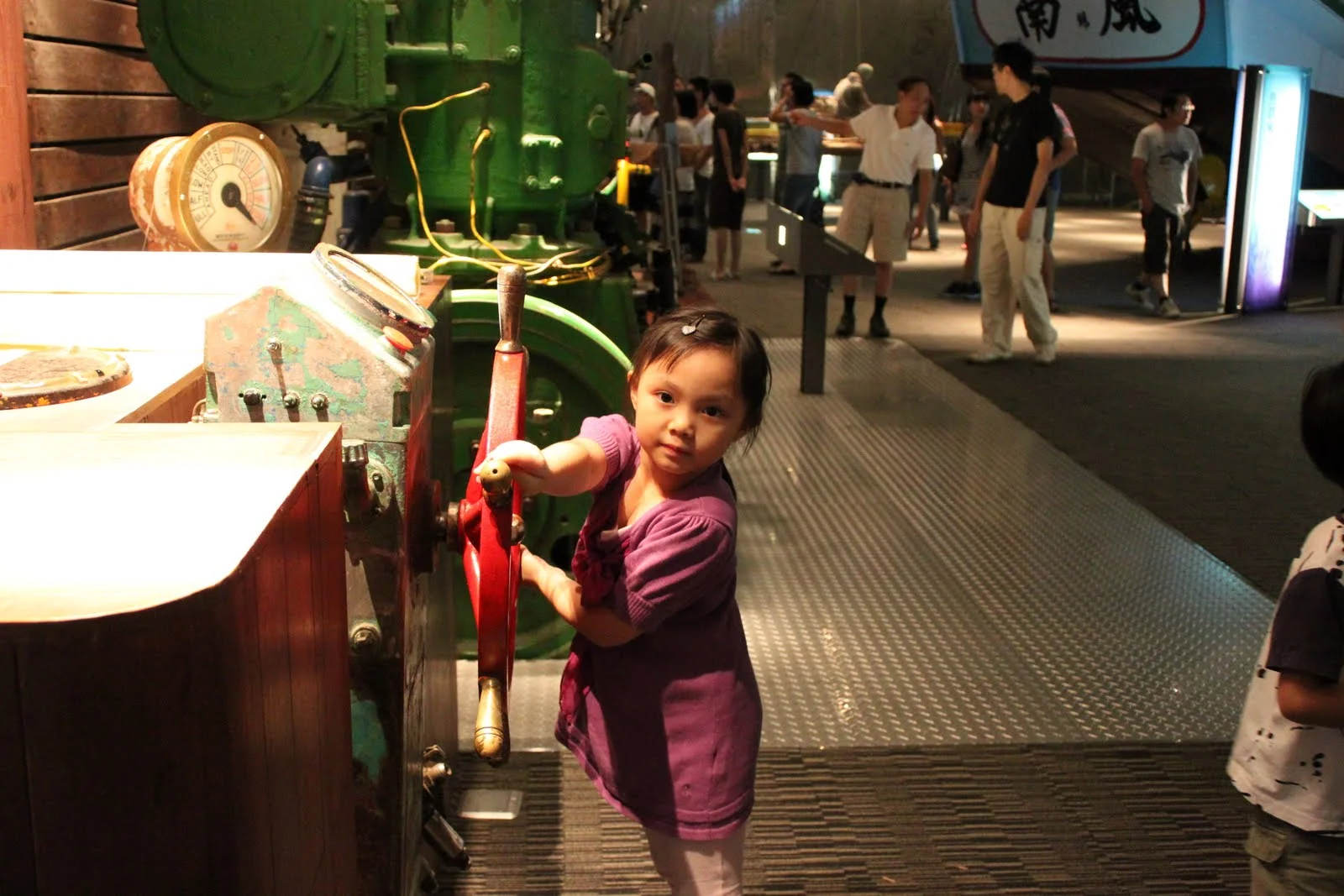
Dad thought being a captain would be fine...although he might be even happier if she became the captain of a yacht. Heh...heh...
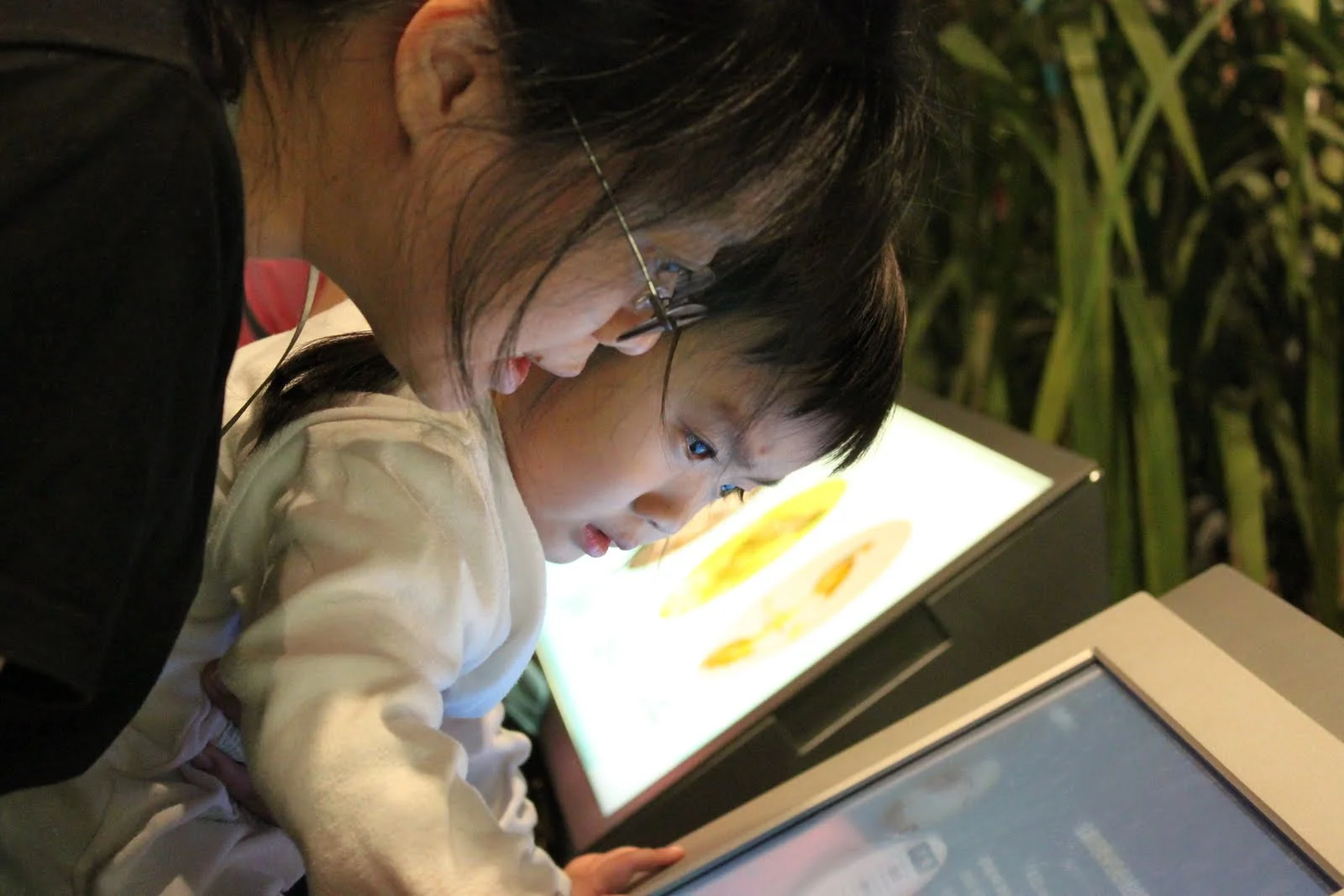
Belle was not studying the multimedia ecology guide out of academic enthusiasm. She liked it because touching the screen made things move. .
The ground floor covered the history of the Lanyang Plain's development. We slipped inside just before 5:00 p.m.; by the time we came out, the crowds were gone and we could finally take a proper photo. ^.^
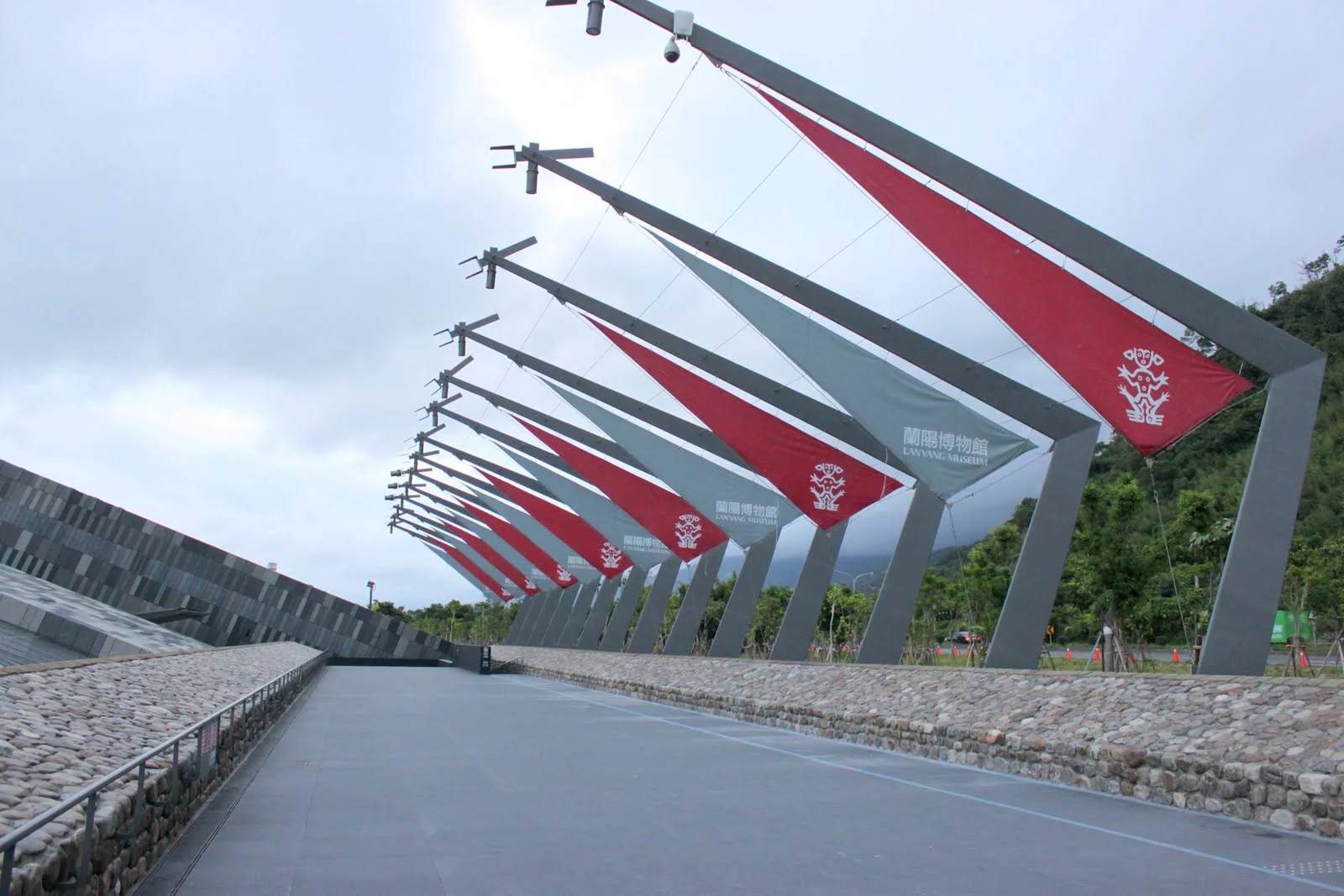
Afterword
Just before reaching Lanyang Museum, there was a large, conspicuous Mr. Brown Café a little farther along the road. The interesting part was not its coffee or food. Beyond its parking area was a beautiful beach.
We had arrived too late to play there...what a shame.
And was the food any good? Considering how undemanding I am about steak—see Exhibit A and Exhibit B—my advice would have been to grab a slice of bread at 7-Eleven, hold out for the drive, and eat after getting back to Taipei. @.@'"
Complete Photo Gallery
Previewing up to 8 album photos. Open the gallery to browse all photos.