During the 2011 spring break, I took Lisa and Belle back to my wife's hometown. It was my fourth visit to Kinmen in ten years, and the island put me in a good mood as soon as we left the airport. Flowers and greenery lined the roads, making the whole place feel like a park in the middle of the sea ^.^
Many neglected traditional houses had also been restored, and some had become atmospheric guesthouses. That was one reason every return to Kinmen felt a little different. A local recommended a traditional guesthouse in Shuitou called Shui Diao Ge Tou, which sounded like an interesting way to experience one of the old houses.
When the midday sun became too strong, we could retreat to visitor centers around Zhongshan Grove, Rushan, or Shuangli Wetlands, enjoy the air conditioning, and browse the ecology and history exhibits before heading outdoors again in the afternoon.
And one more thing worth mentioning: the first thing I care about when traveling is the restroom!! Taking children into a disgusting one is unbearable... Kinmen's public restrooms, thankfully, were impressively clean ^.^
I had hoped that five days and four nights would be enough to revisit all the places I had enjoyed before. It wasn't even close. So here is a quick overview, divided into a few categories~~
Historic Sites
Qing-Dynasty Kinmen Military Headquarters
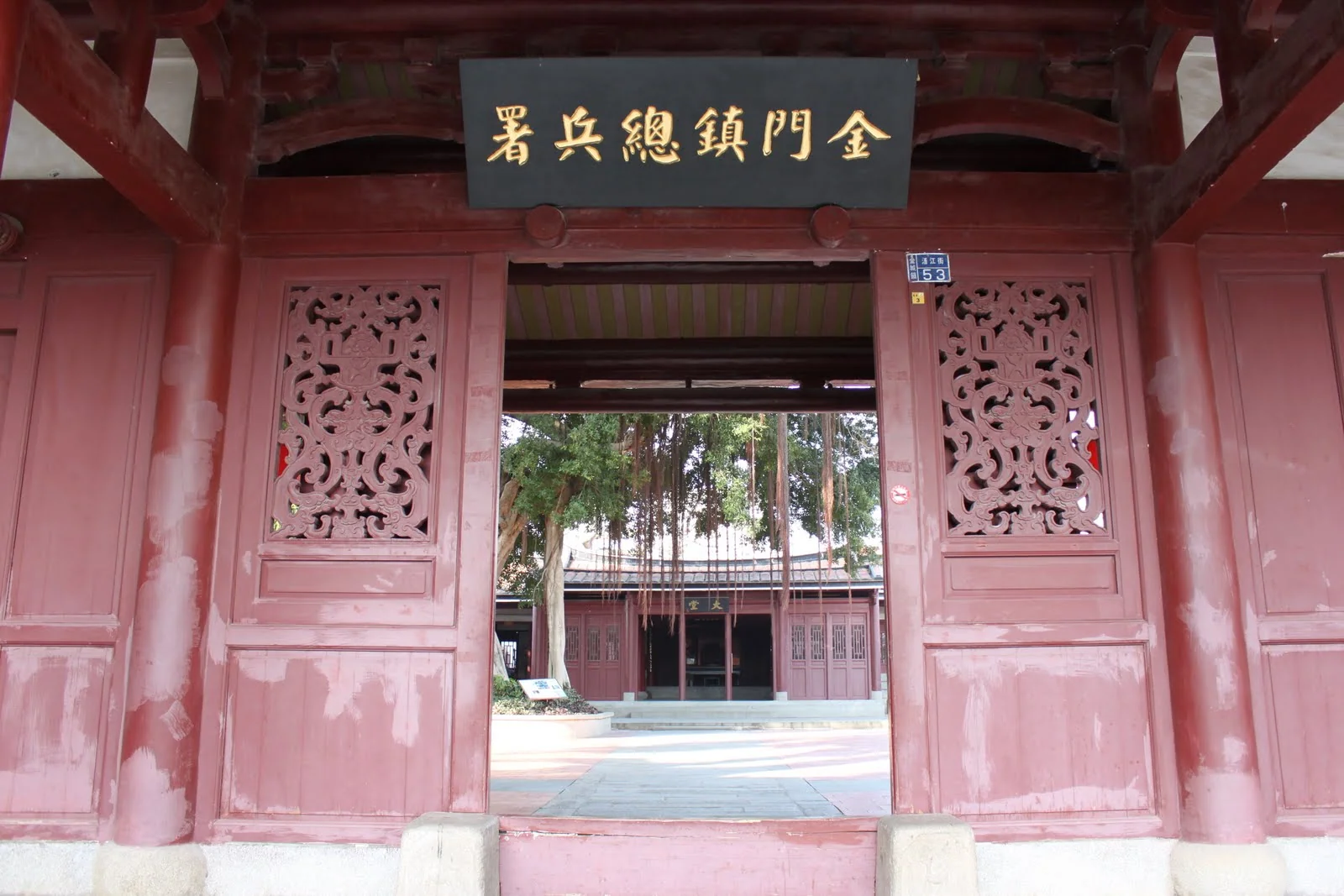
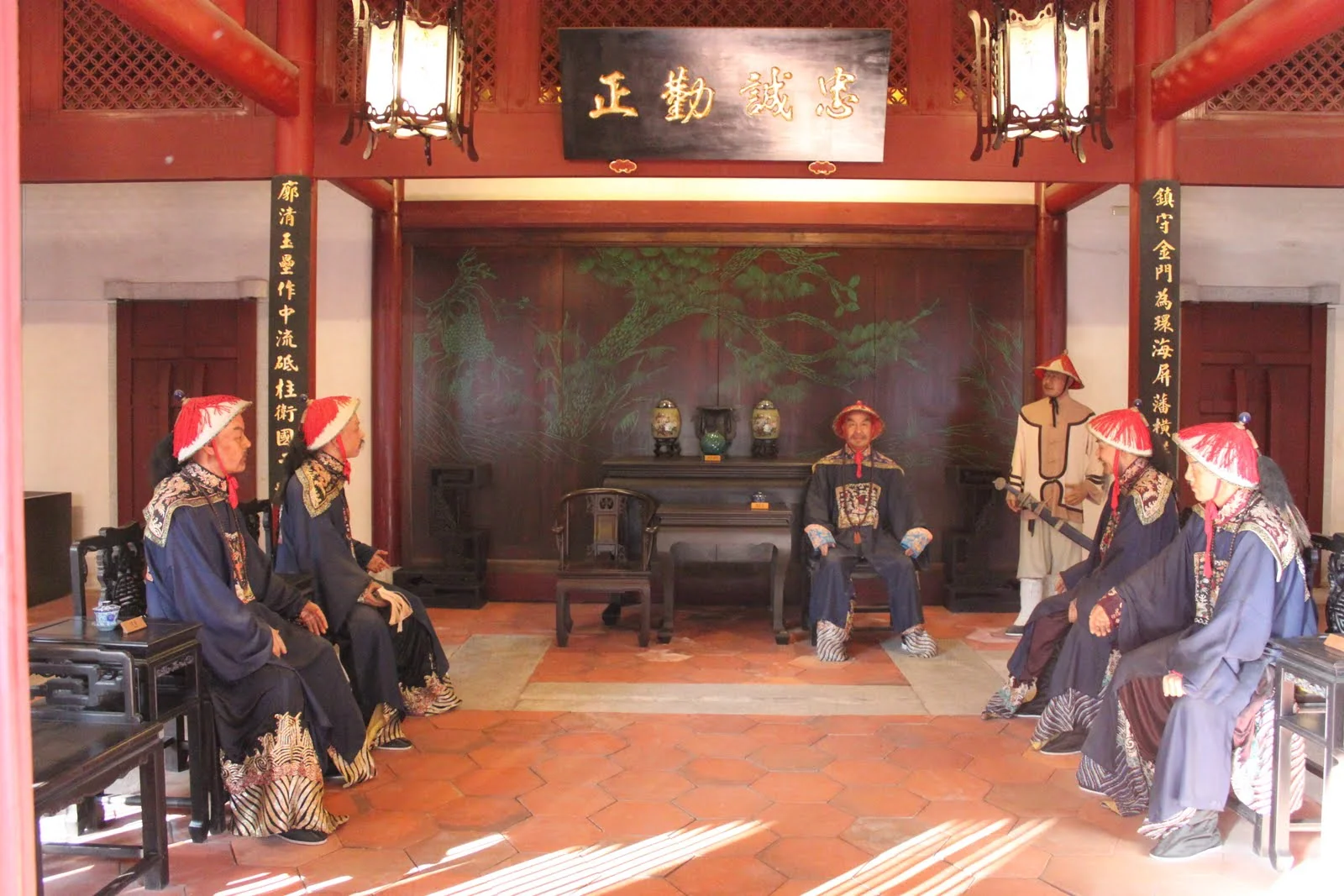
Several rooms inside the headquarters were filled with wax figures. They would probably be quite creepy near dusk... The dungeon was worst of all. Even in broad daylight, taking a photo from the top of the stairs was enough for me. I really did not want to walk in alone @.@'"
Qiu Liang-gong's Mother's Chastity Arch
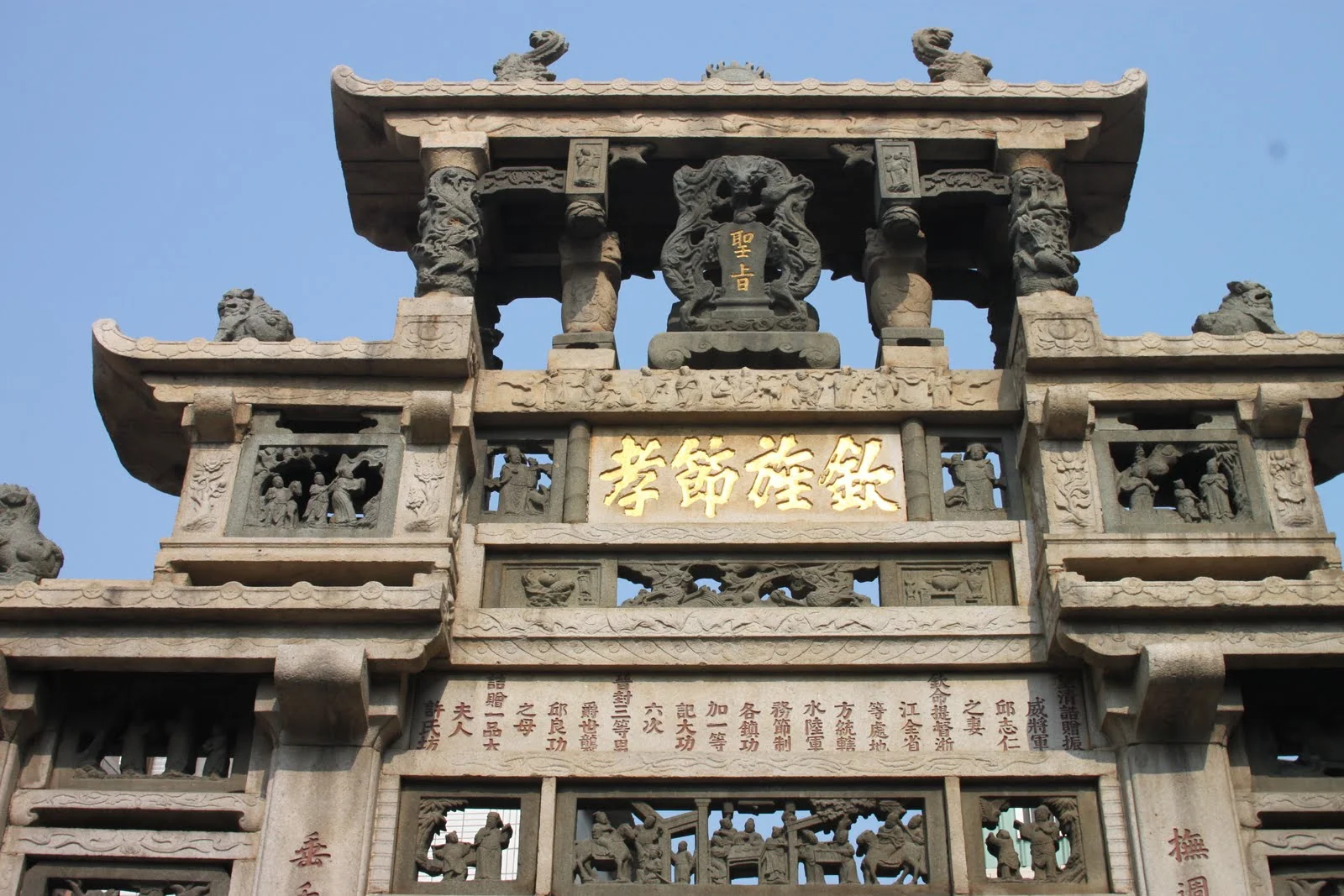
The stone arch stands beside a busy street near Kinmen's eastern gate. Its elaborate carving and four-column, three-bay form make it difficult to miss. It commemorates Madam Xu, the mother of Qiu Liang-gong, and the years she spent raising her son after being widowed.
The Sixth- and Tenth-Generation Ancestral Halls in Qionglin
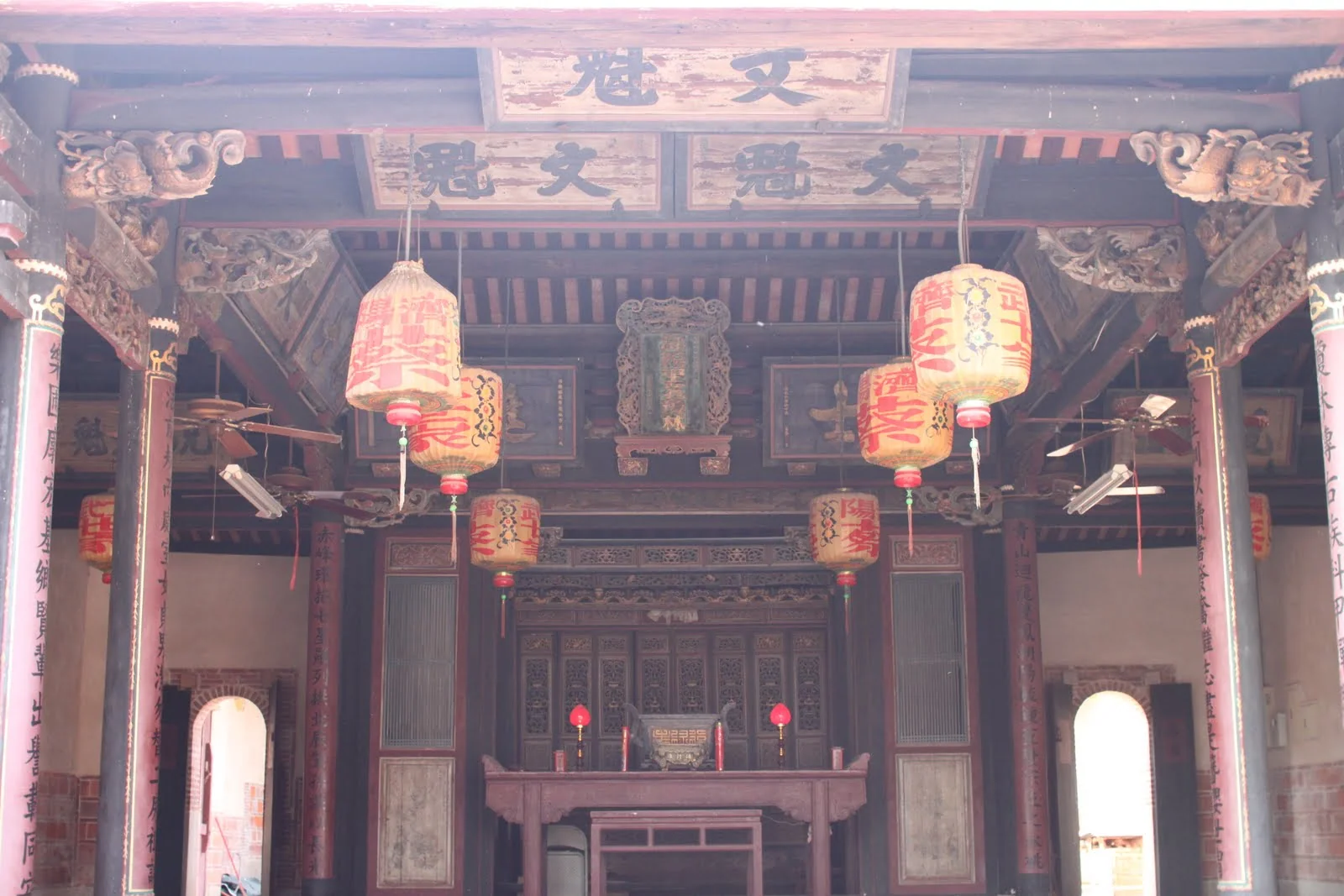
Qionglin produced many civil officials and military officers during the Ming and Qing dynasties. Originally called Pinglin, the village received the name “Qionglin” during the Ming dynasty because of Cai Xianchen, and a plaque associated with that history still hangs in the ancestral hall.
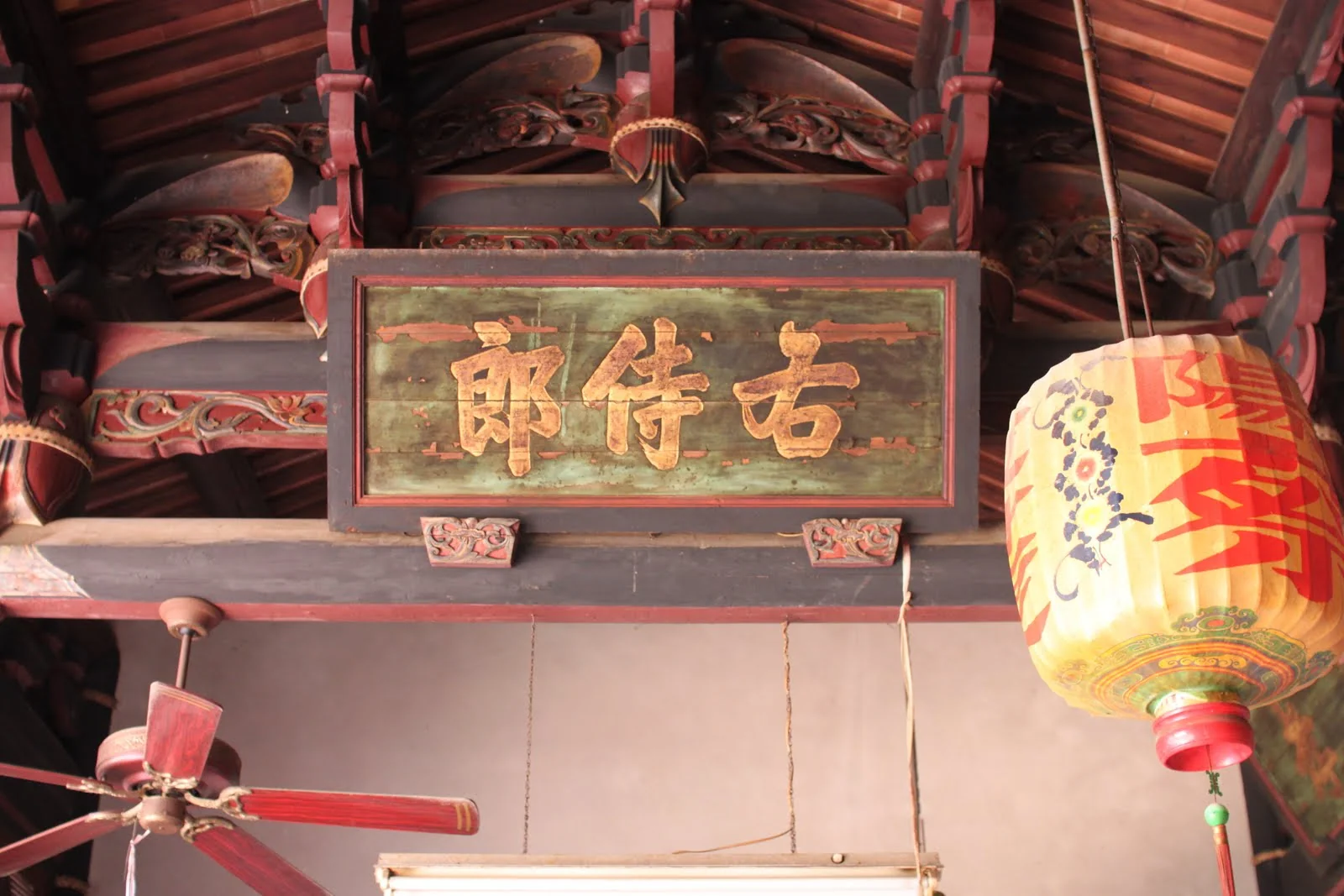
Walking through the hall was not simply a look at an old building. Its plaques, timberwork, and family stories revealed Qionglin's history one layer at a time.
Military Sites
Guningtou
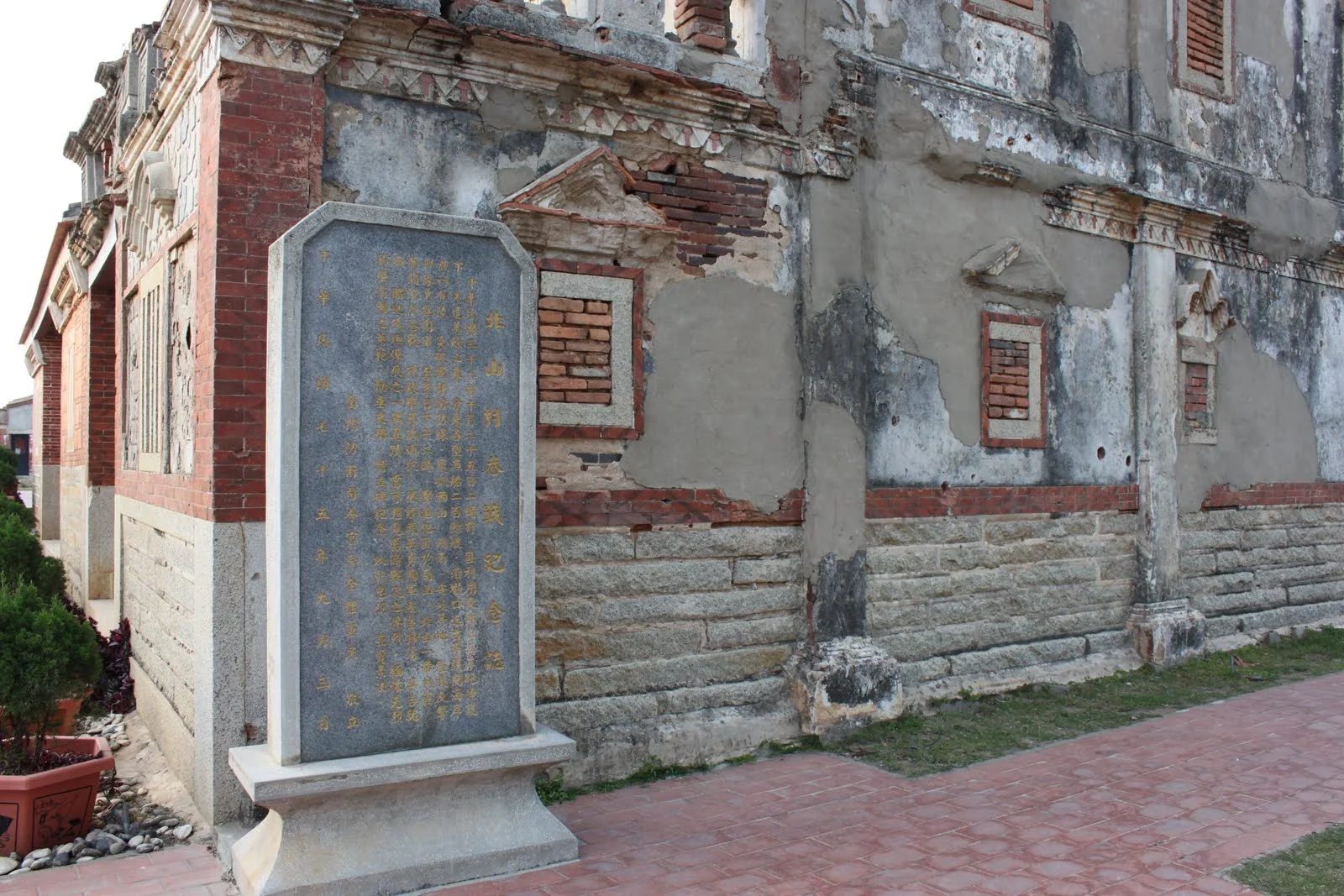
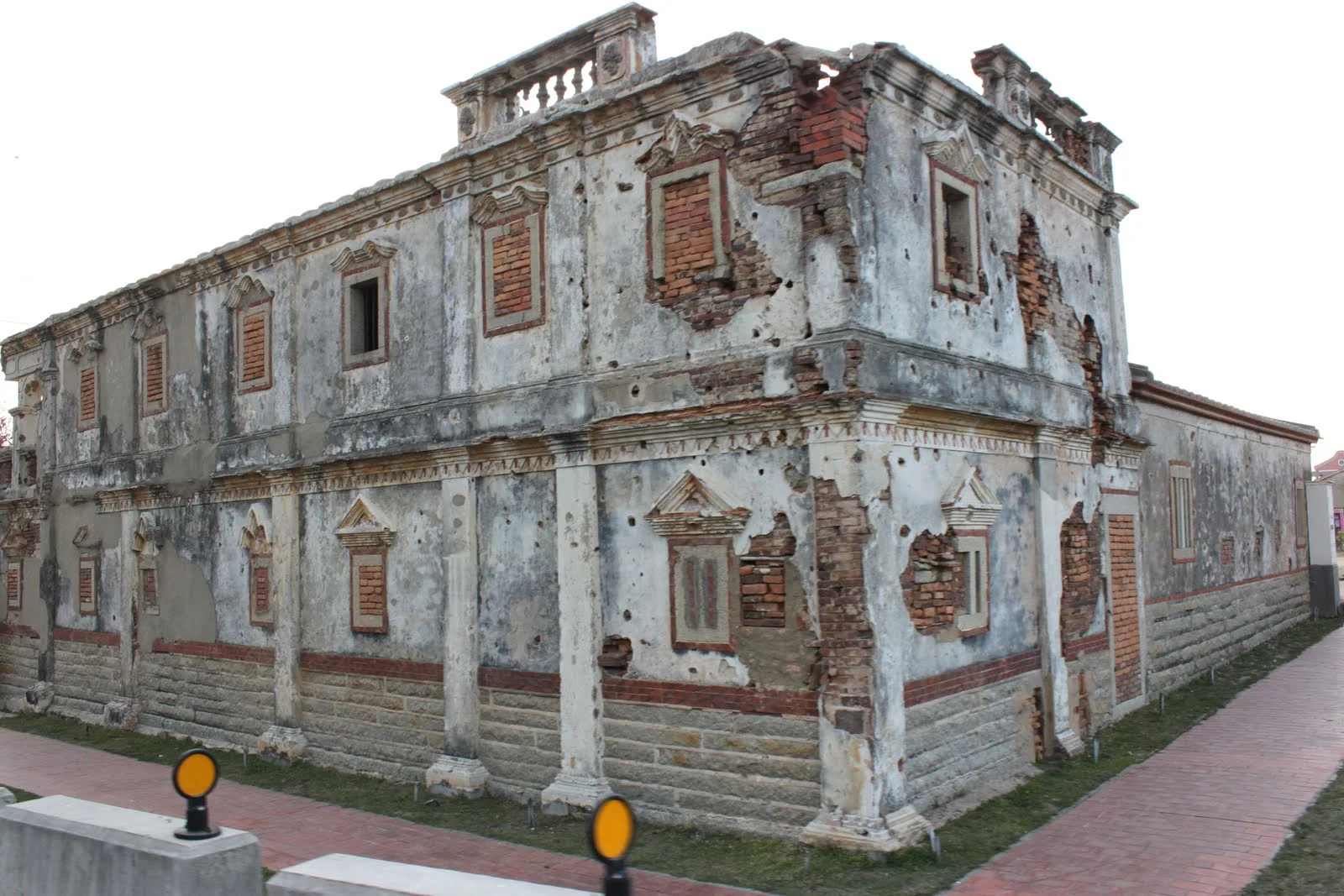
During the Battle of Guningtou, the Beishan Western-style House served as a temporary forward command post for Communist forces. The dense bullet holes left by the fight over the position make the street battle feel much more immediate than a line in a history book.
Lesser Kinmen: Jiugong Tunnels
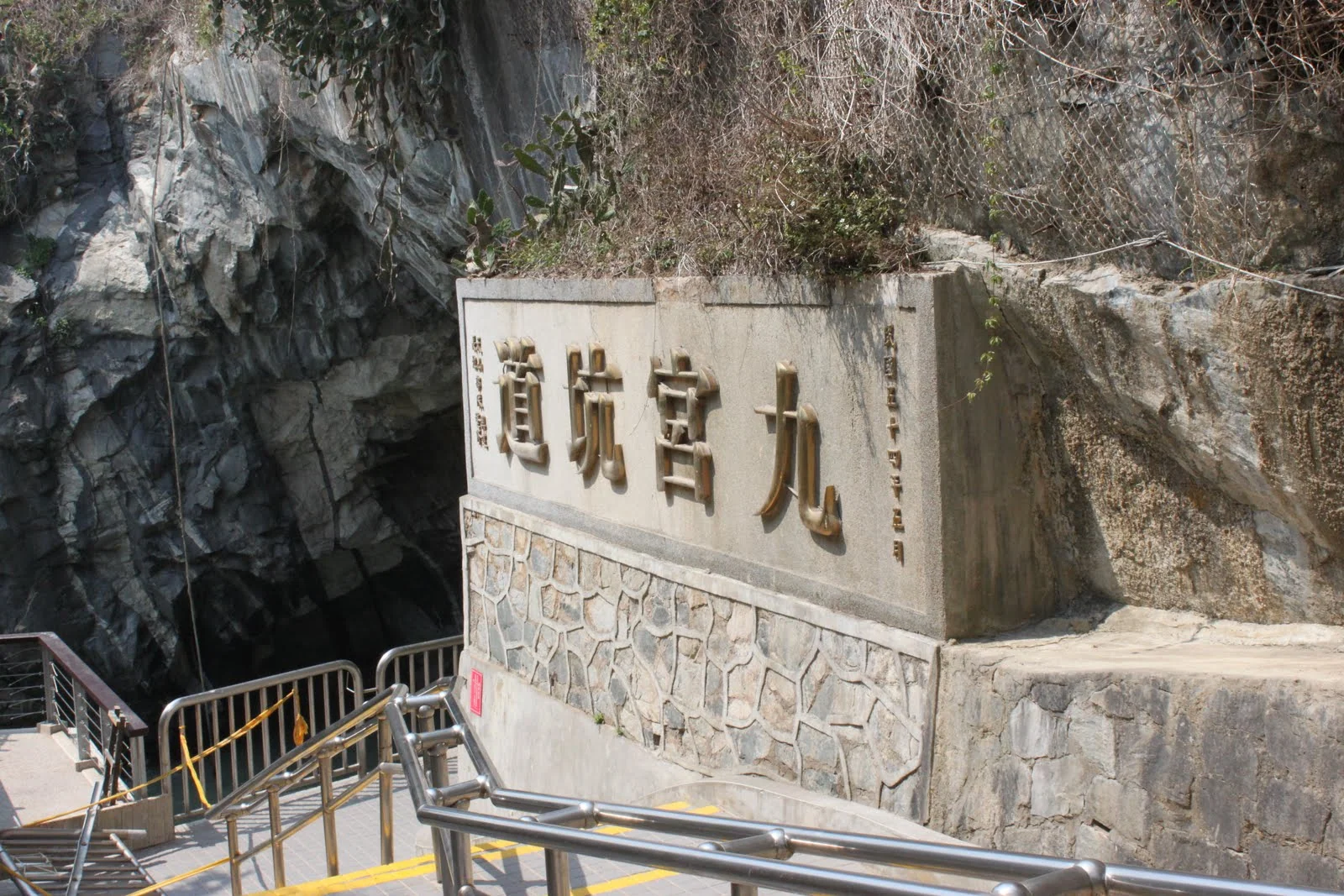
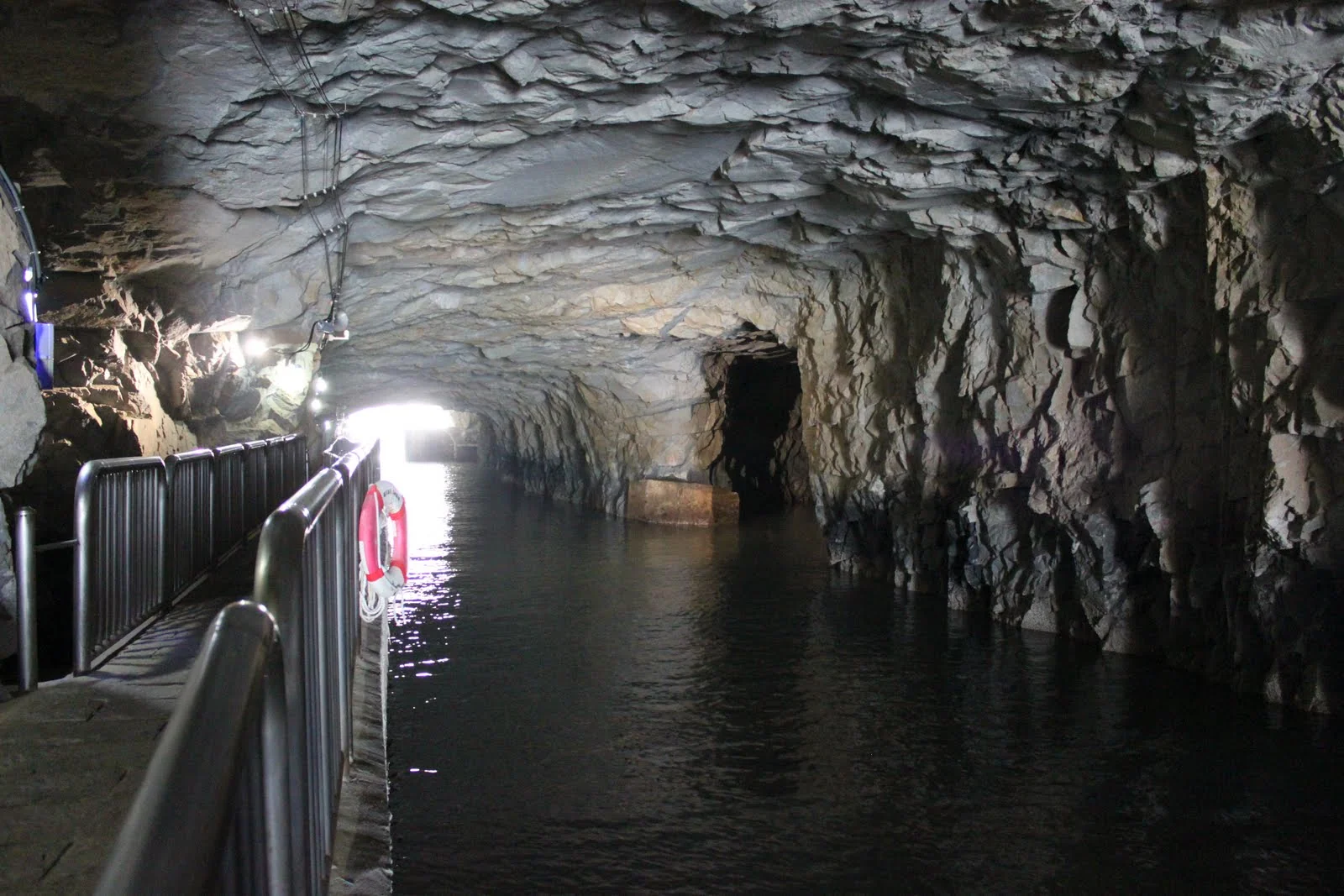
The Jiugong Tunnels lie beside Jiugong Pier and once served as a supply base for small military boats. Walking between the rock walls and underground waterways felt completely different from being above ground in Kinmen.
Hujingtou Battle Museum and Fort Brave
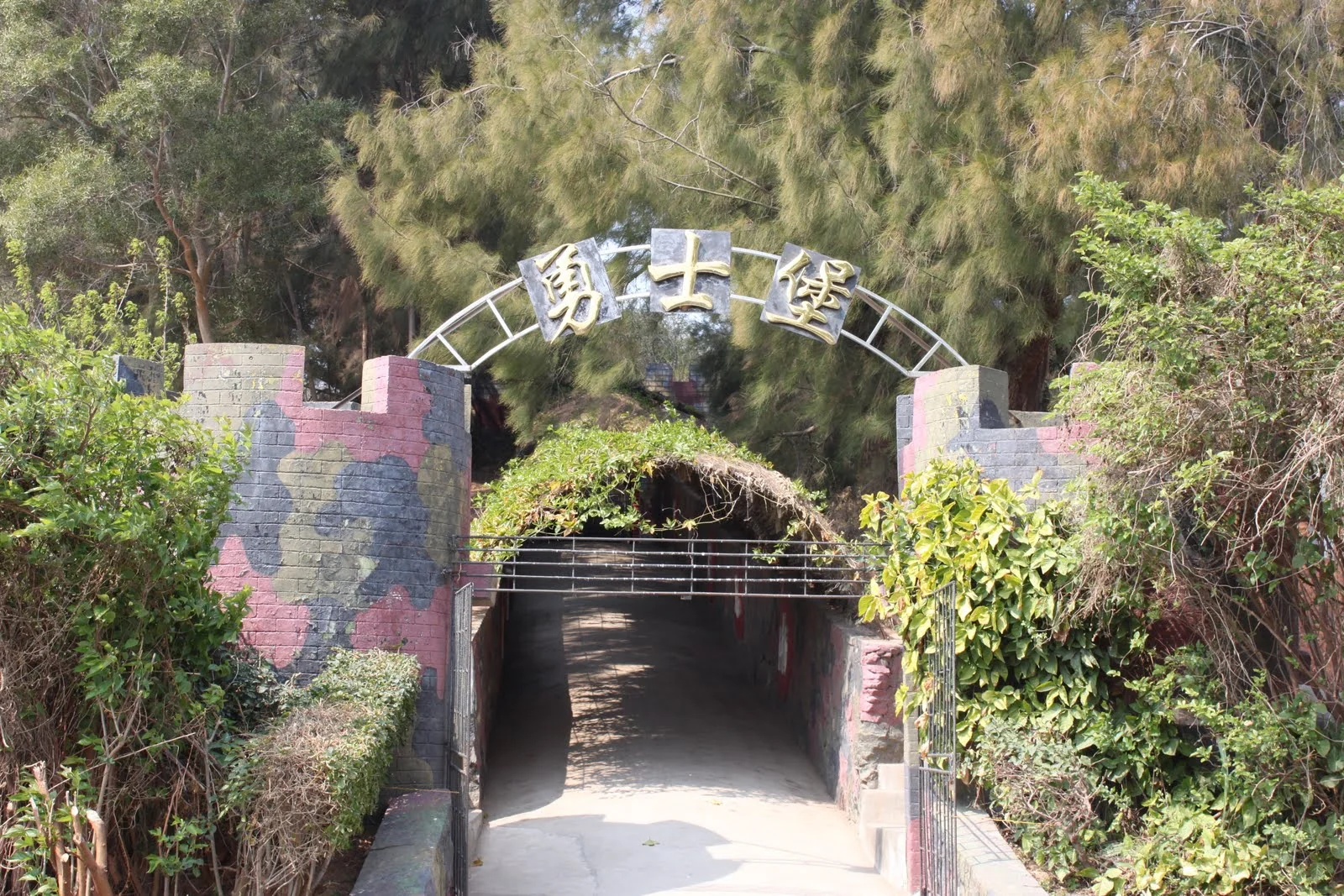
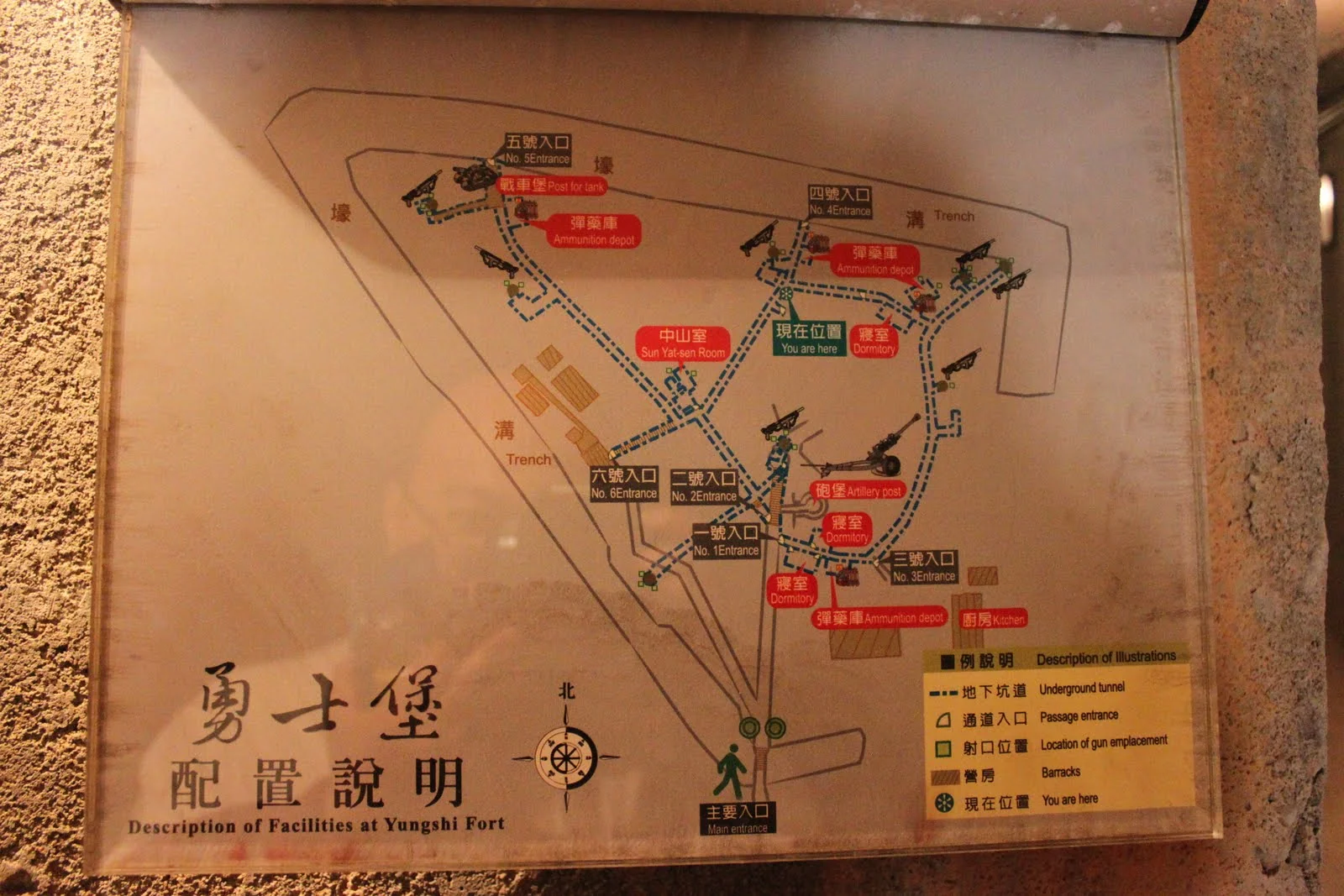
Fort Brave connects with Fort Iron Man and Fort General, creating a maze of passageways. There certainly were not maps posted everywhere during wartime. Any enemy who made it inside would have been doomed @.@'"
Chenggong Tunnels
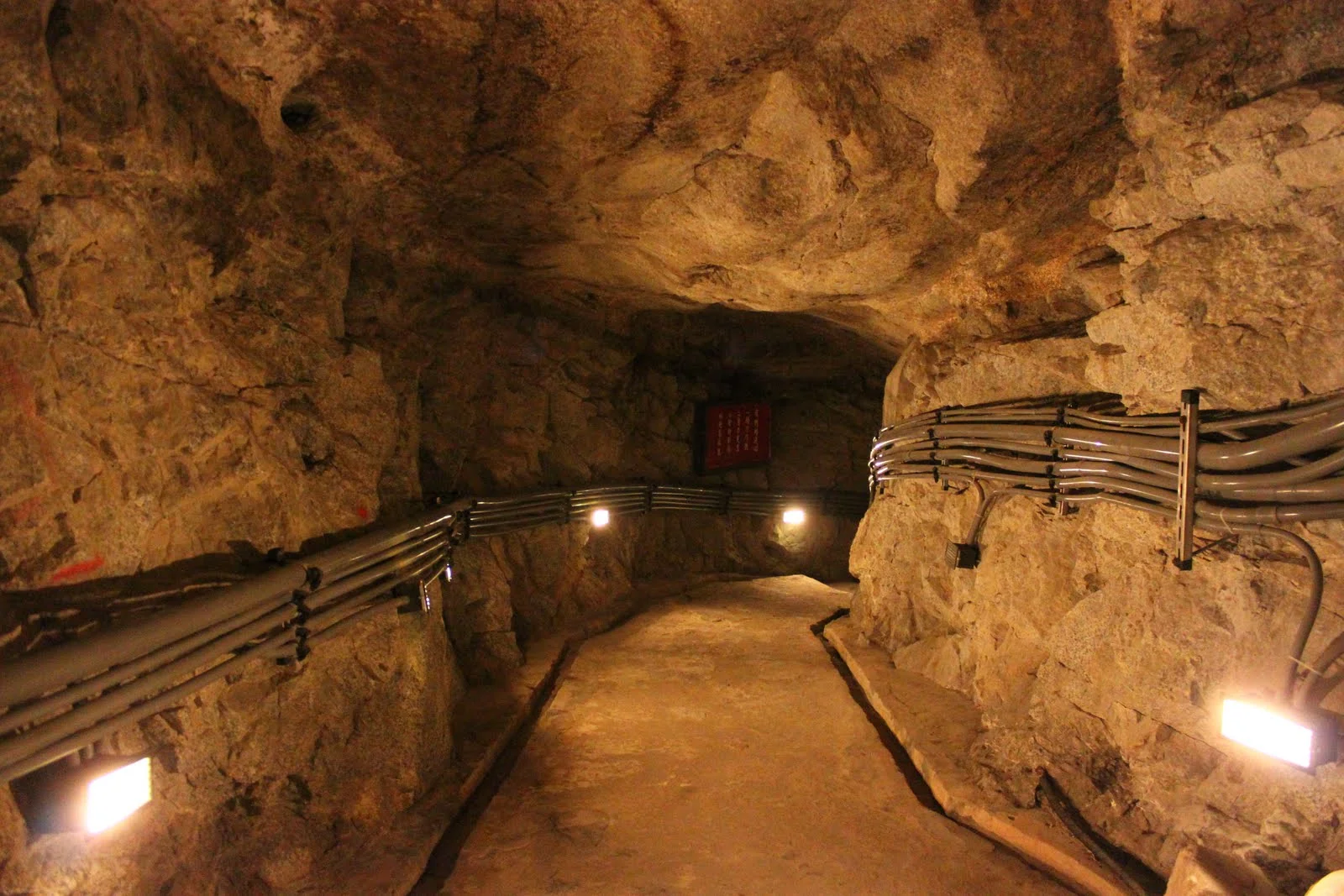
The Chenggong Tunnels on Greater Kinmen were much easier to navigate than Fort Brave. The passages were larger and the route was simpler. Another exit led to an old seaside military compound that I had already visited two years earlier. This time everyone else was having afternoon tea by the sea, so I settled for a photo at the entrance instead of walking through alone again ~.~'"
Jiangong Islet
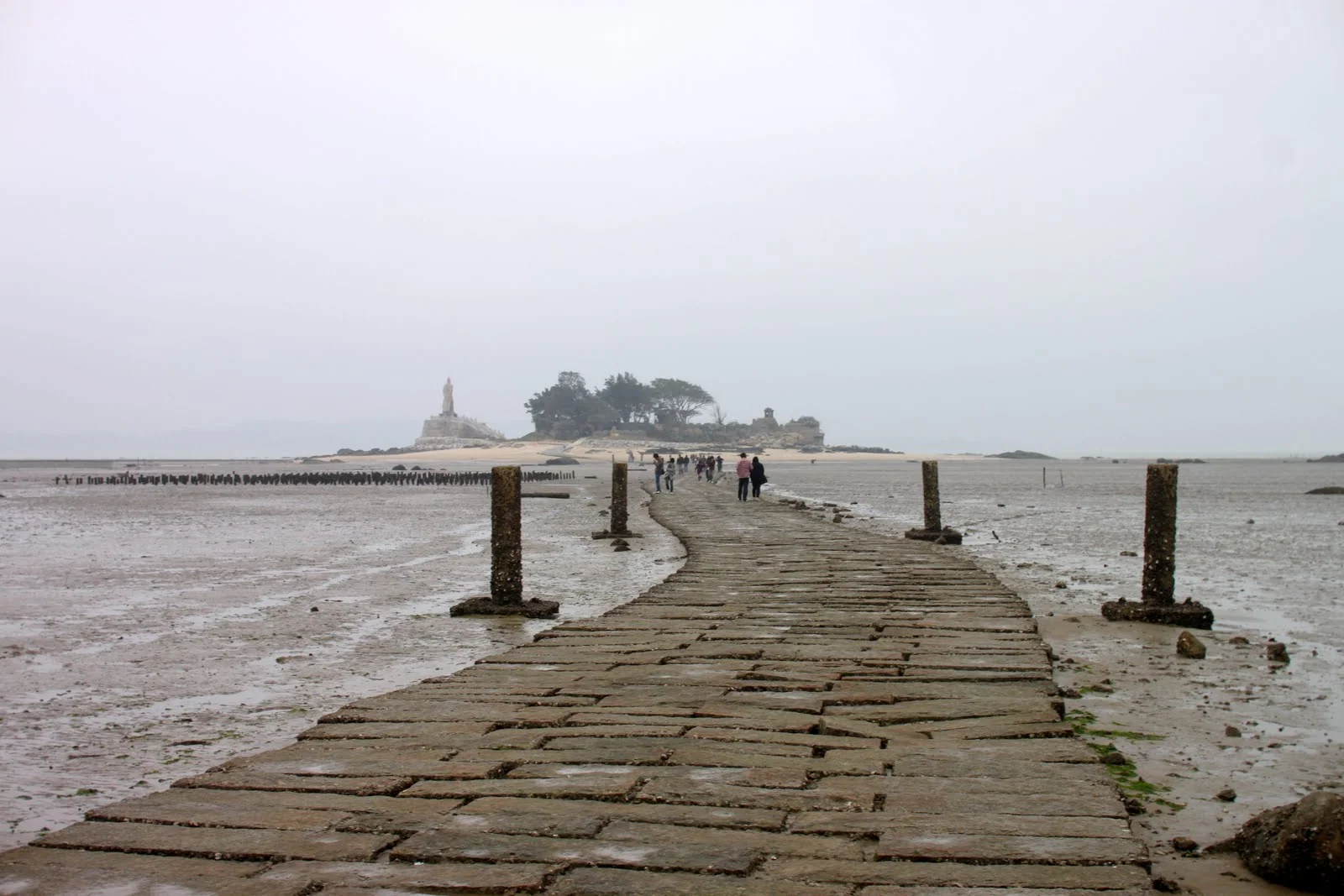
Jiangong Islet sits at the mouth of the Wujiang River and once guarded the surrounding waterways. Its stone path appears and disappears with the tide; only at low tide can visitors walk step by step toward the small island in the sea.
Traditional Houses and Western-Style Mansions
Qionglin Village
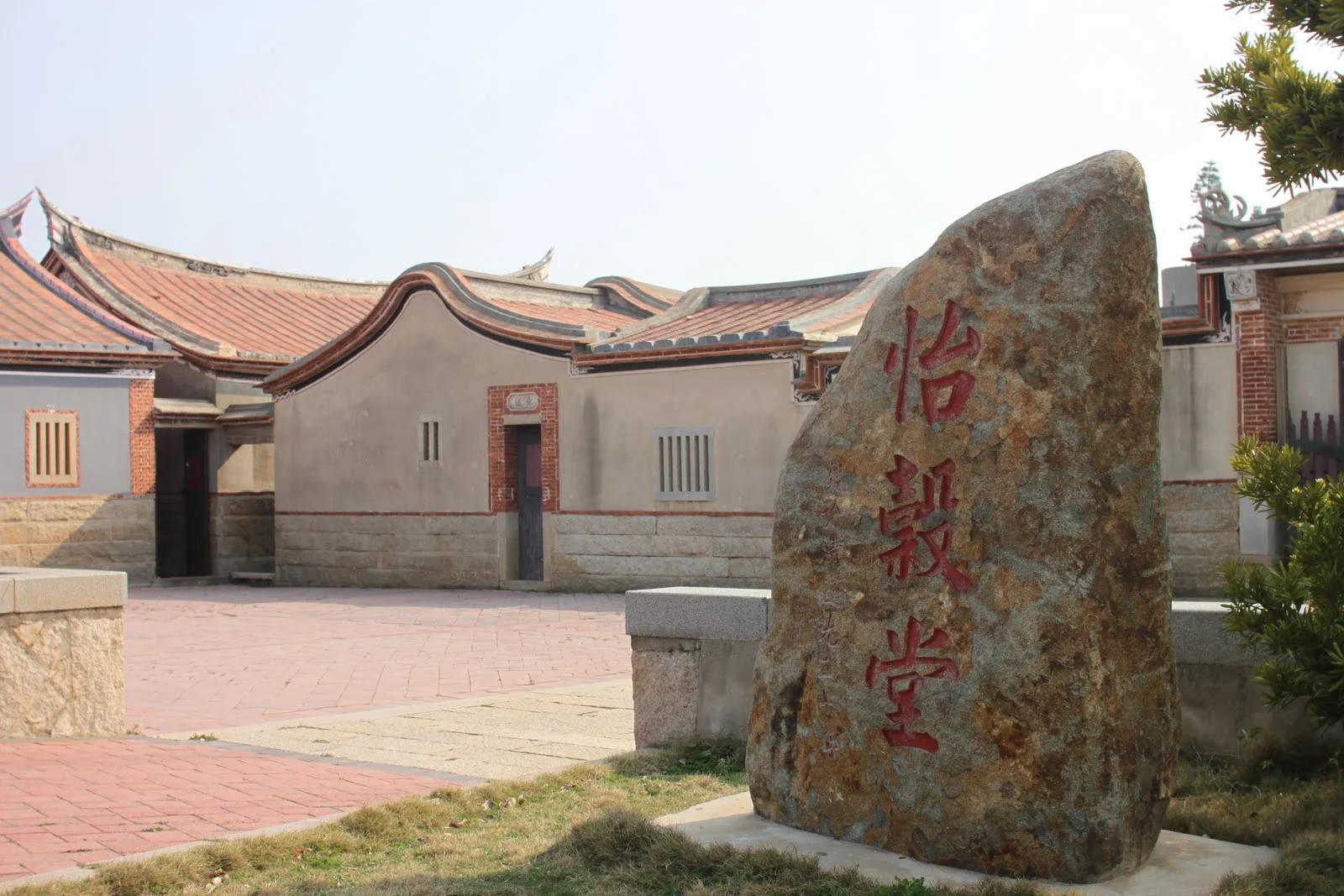
We visited an aunt in Qionglin, and the cousin who drove us there happened to know Kinmen's villages very well. As he led me around taking photos, he explained swallowtail and saddleback roof ridges, along with the brick-and-stone wall technique known as “brick in, stone out.” I actually learned quite a bit ^.^
Deyue Tower in Shuitou and the Chen Jinglan Western-style House added two more sides to the trip. Though both belonged to Kinmen's mansion tradition, each had its own relationship with its village, family history, and island life.
A Quiet Path to the Sea
The Nanshan estuary did not have the grand historical scenes of the earlier stops. Instead, a small path led us toward a quiet shoreline where the view suddenly opened up.
Fun in the Countryside
Hey~~ I found a huge radish!!
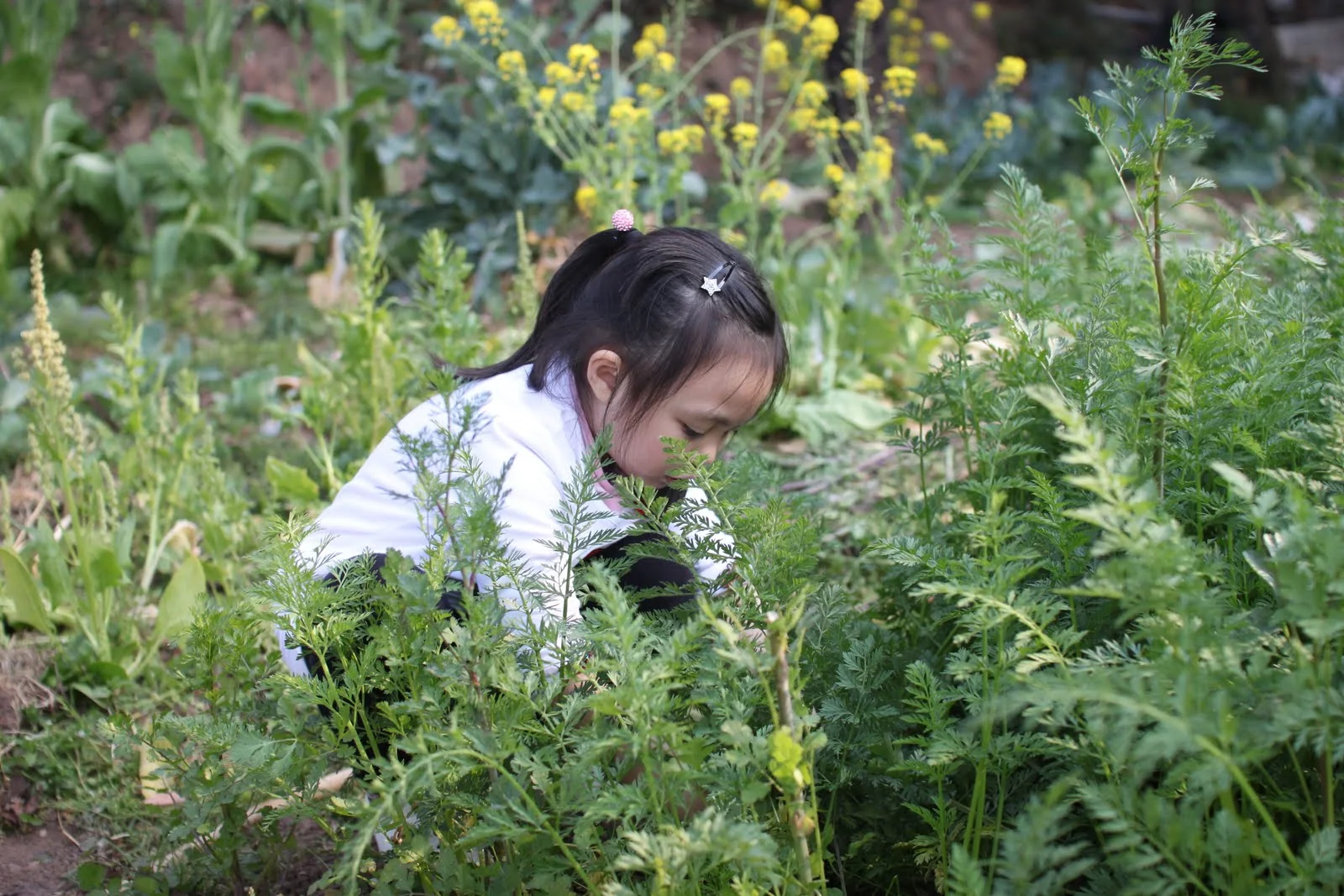
Heave~~~~~ho~~~~
Ha~~ I pulled it out ^.^
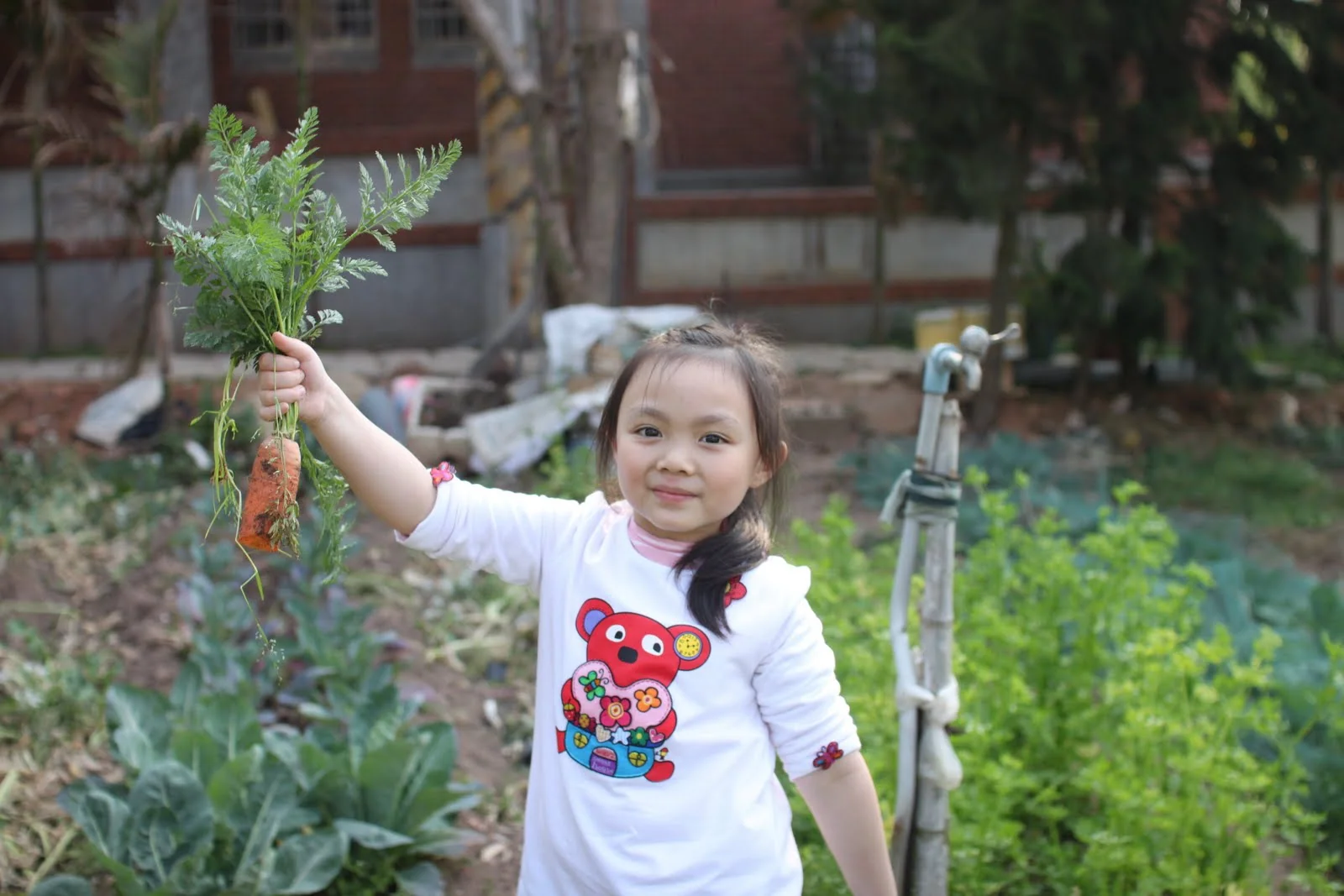
Well, half of it broke off @.@'"
We also went digging for clams at Shangyi Beach. Adults and children waded into the tidal flats together, bending over the sand and searching slowly. It was one of the moments on this trip that felt closest to everyday island life.
Whew~~ I finally finished putting together this overview of our Kinmen trip... If any of these places look interesting, keep reading for the individual travel notes ^.^
Related Posts
Historic Sites
The Sixth- and Tenth-Generation Ancestral Halls in Qionglin Ming-Dynasty Old StreetMilitary Sites
Chenggong Tunnels, Jiangong Islet
Mount TaiwuTraditional Houses and Western-Style Mansions
Qionglin Village, Shuitou Village, Chen Jinglan Western-style House
Complete Photo Gallery
Previewing up to 8 album photos. Open the gallery to browse all photos.