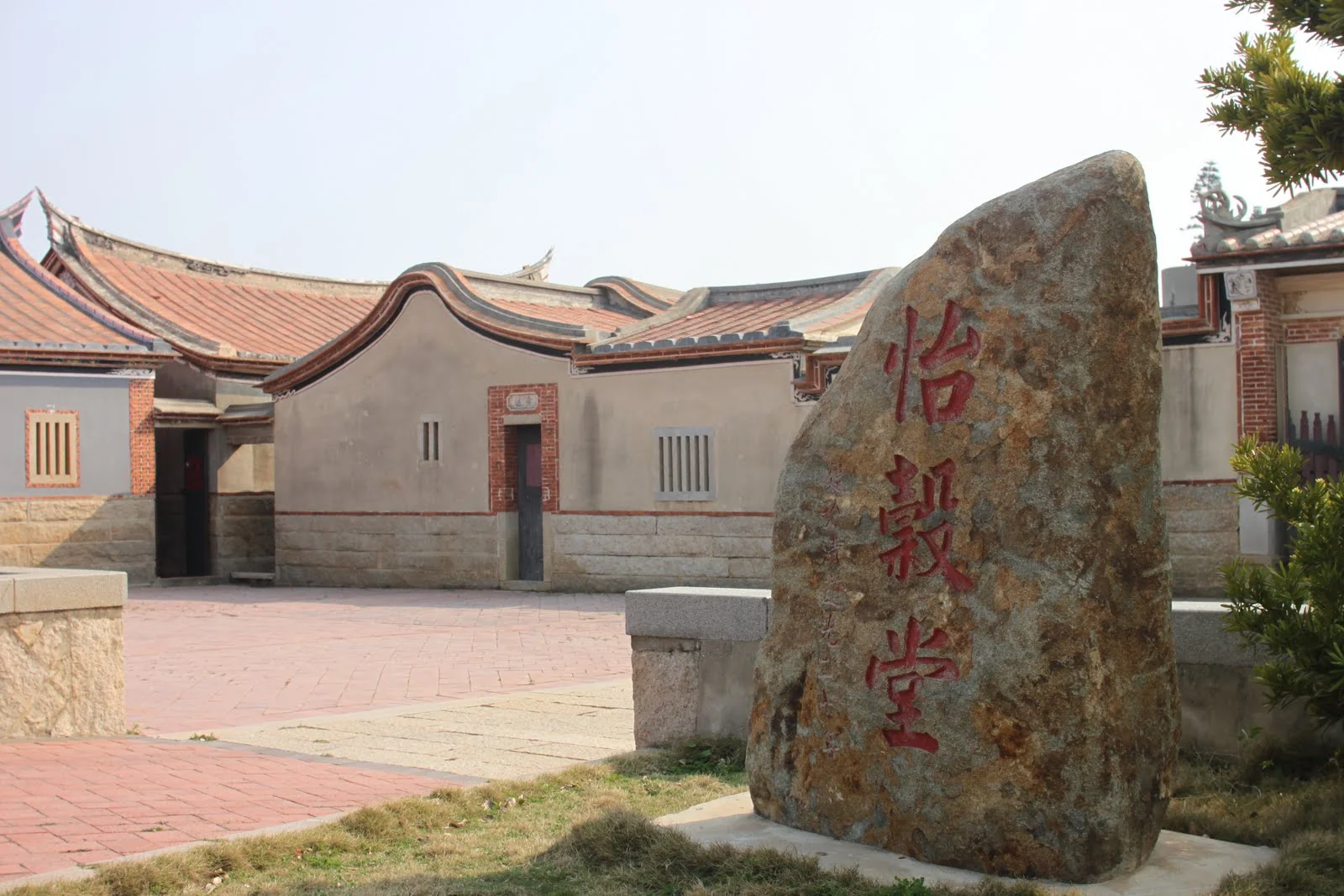
April 2, 2011 — Qionglin Village, Kinmen
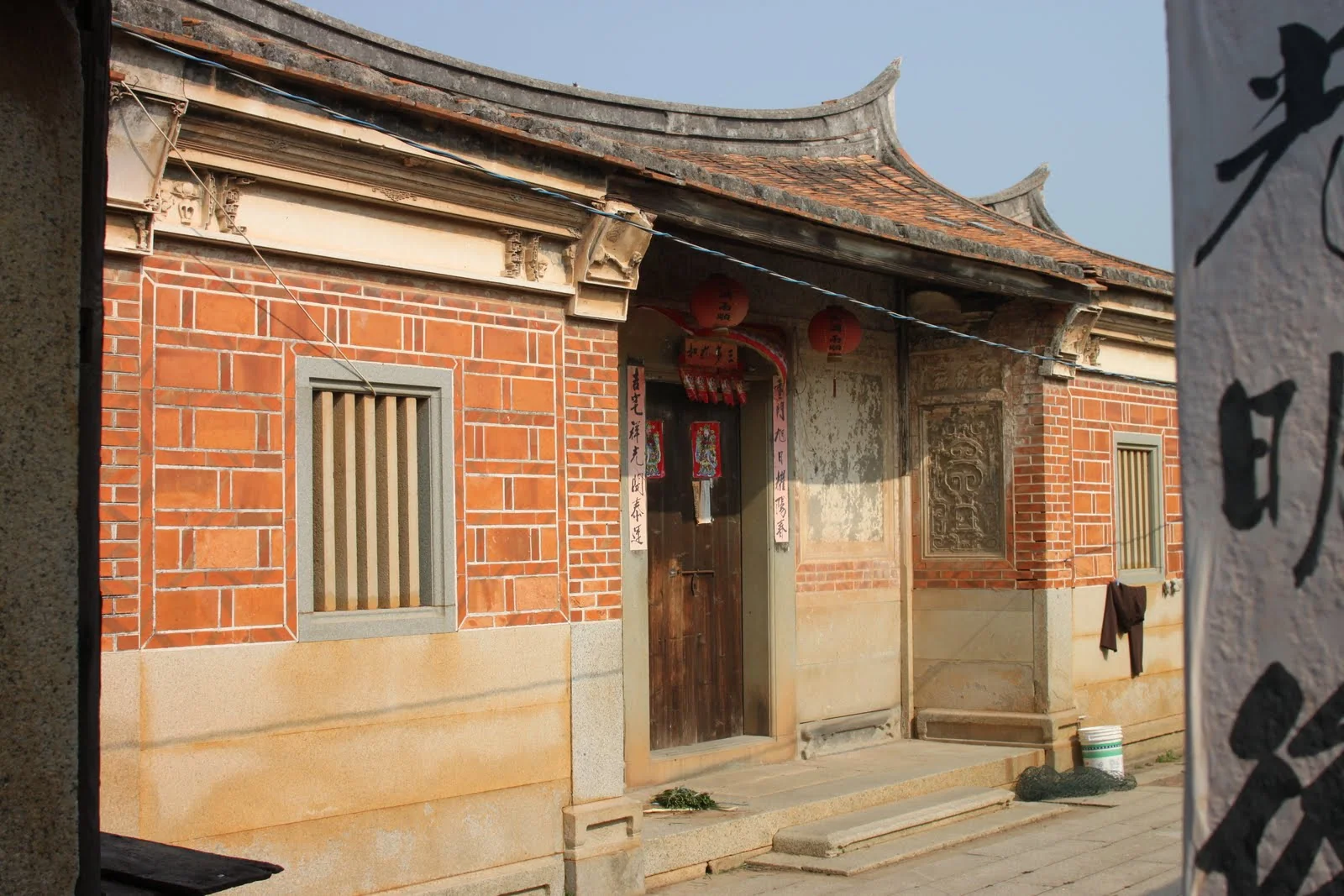
We were visiting my aunt in Qionglin, and the cousin who drove us there happened to know Kinmen’s villages very well. As we wandered around taking photos, he pointed out swallowtail roofs, horseback roofs, and walls built in the “brick-out, stone-in” style. I really did learn a few things along the way ^.^
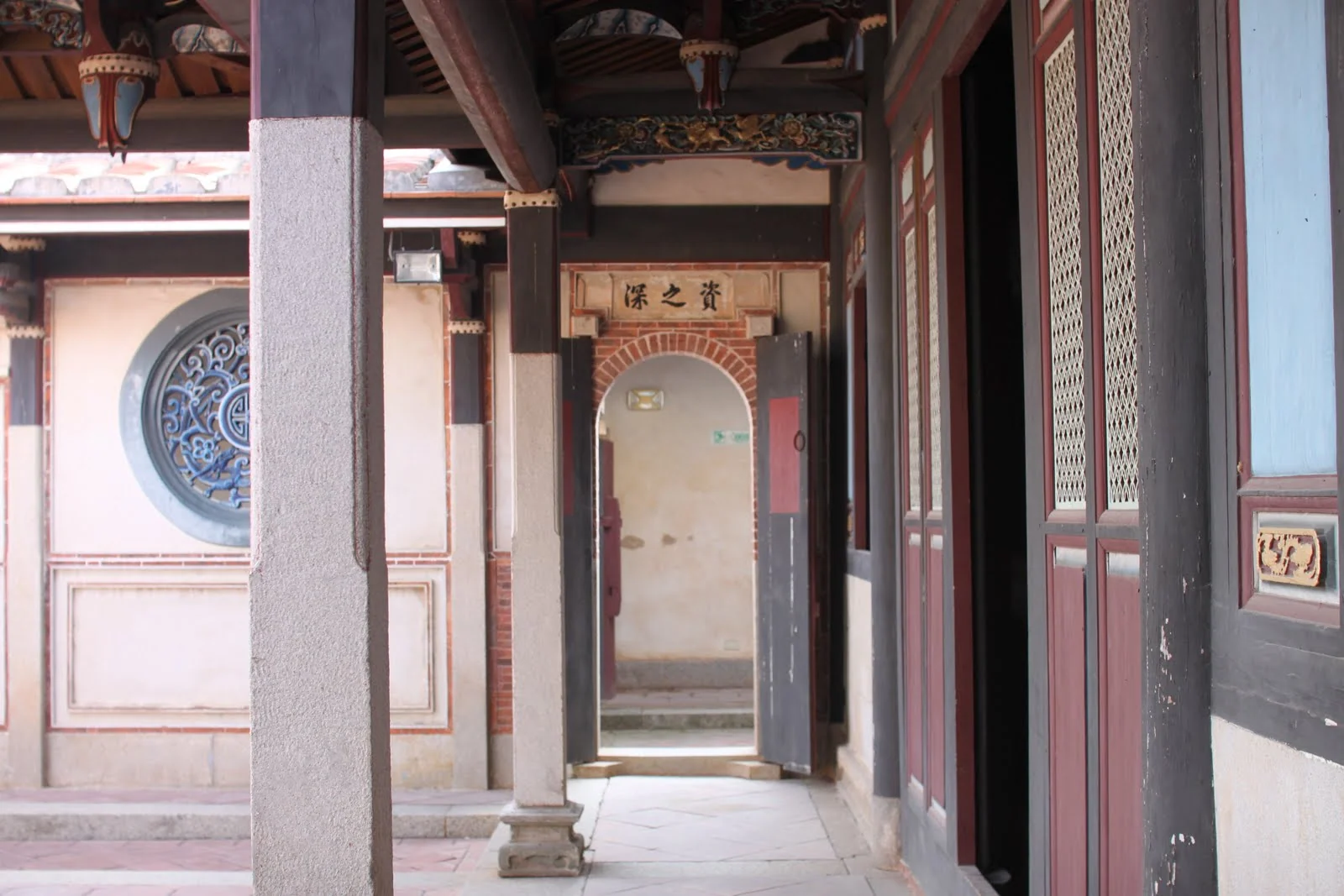
Shigandang in the Lanes
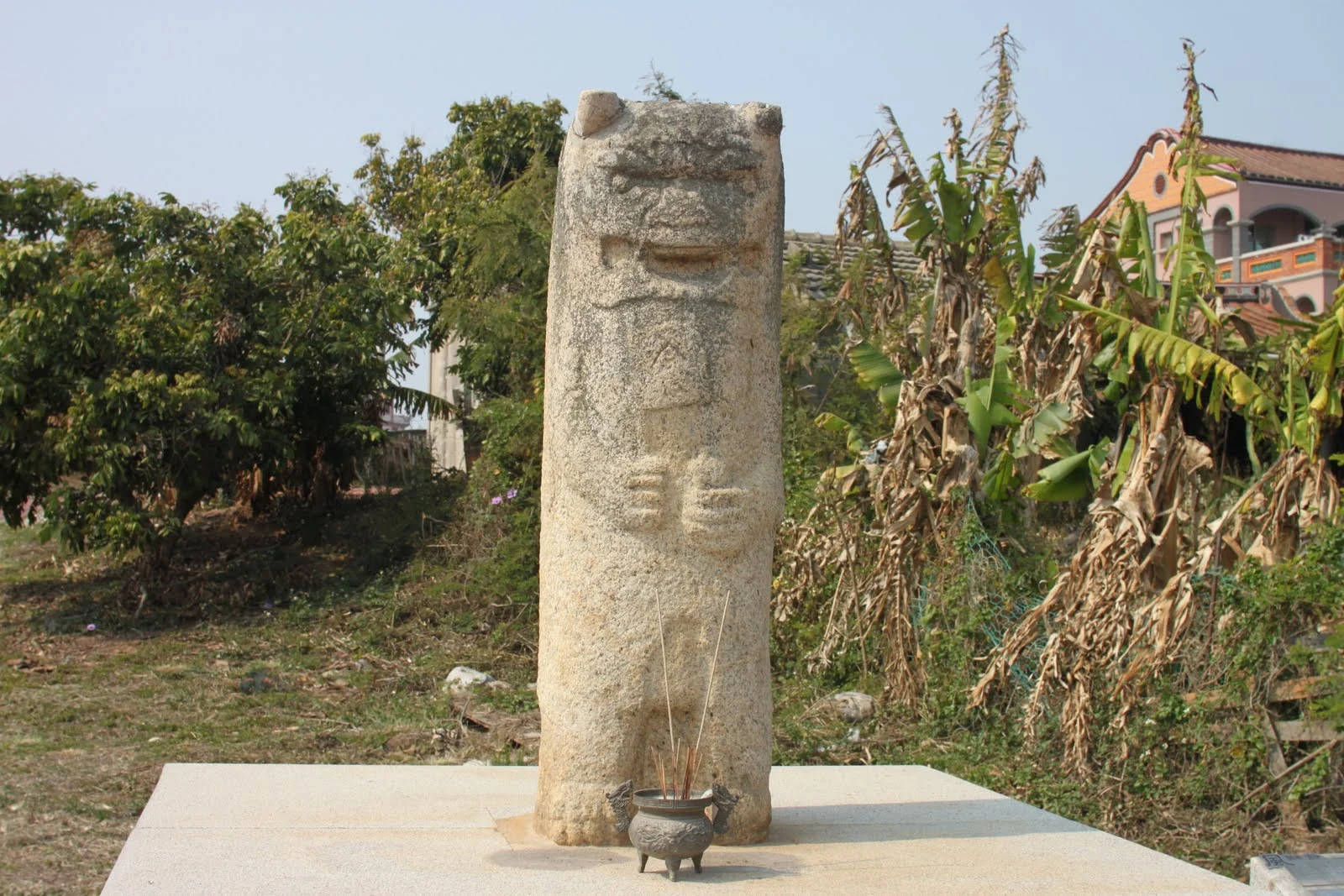
As we walked through the village, we came across shigandang stones placed along lanes and at spots where a road runs directly toward a building. They usually bear the characters for “Shigandang” or “Mount Tai Shigandang.” Some are decorated with lion heads, tiger heads, or bagua motifs, while others carry nothing more than the inscription.
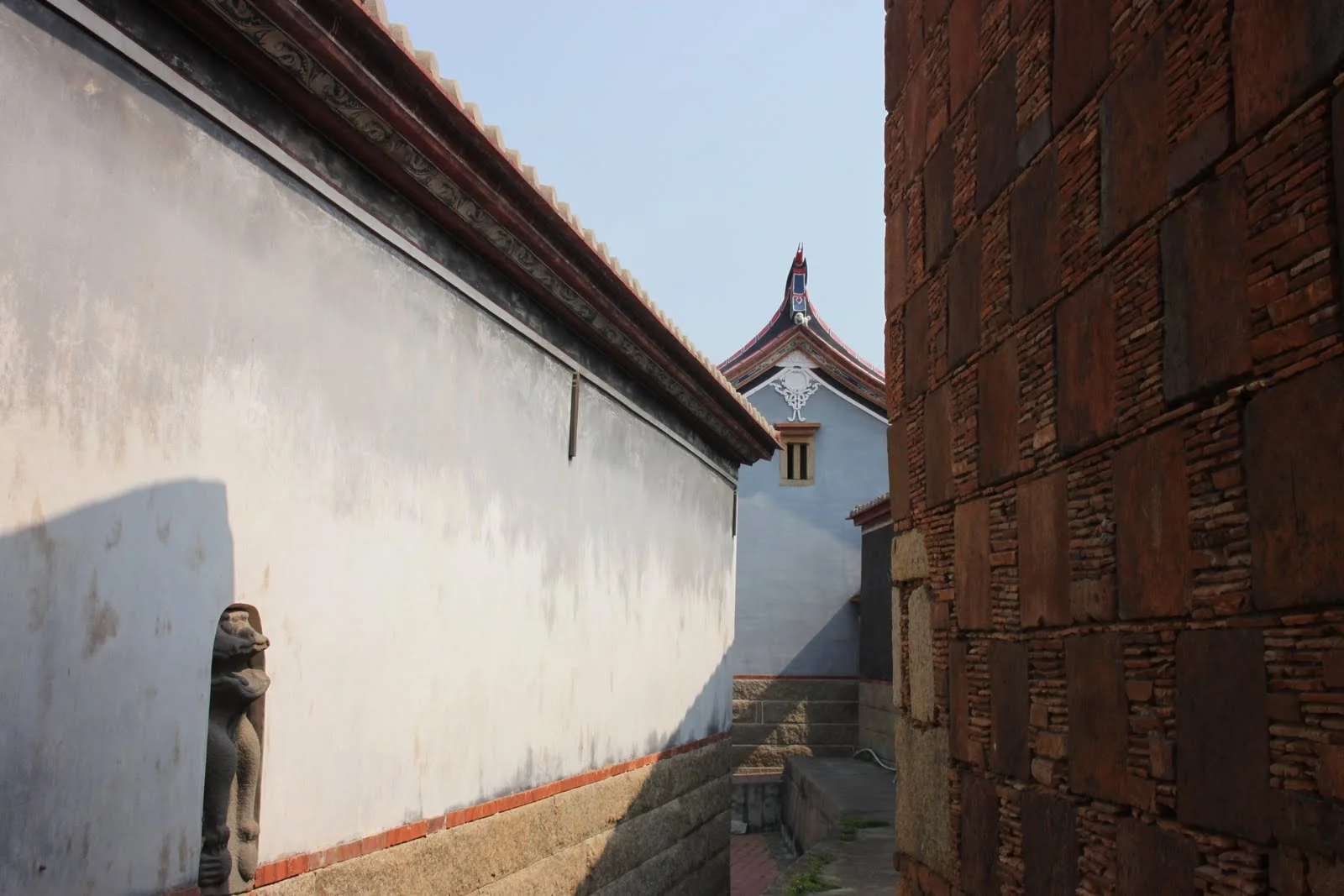
My cousin also showed me a less common wall-mounted example. Instead of standing separately, it had been embedded in the wall when the house was built.
Swallowtail and Horseback Roofs
I was told that swallowtail roofs were once reserved for officials’ homes and temples, though that convention was no longer followed so strictly in more recent times. Their ends sweep sharply upward, making them easy to spot once someone has taught you what to look for.
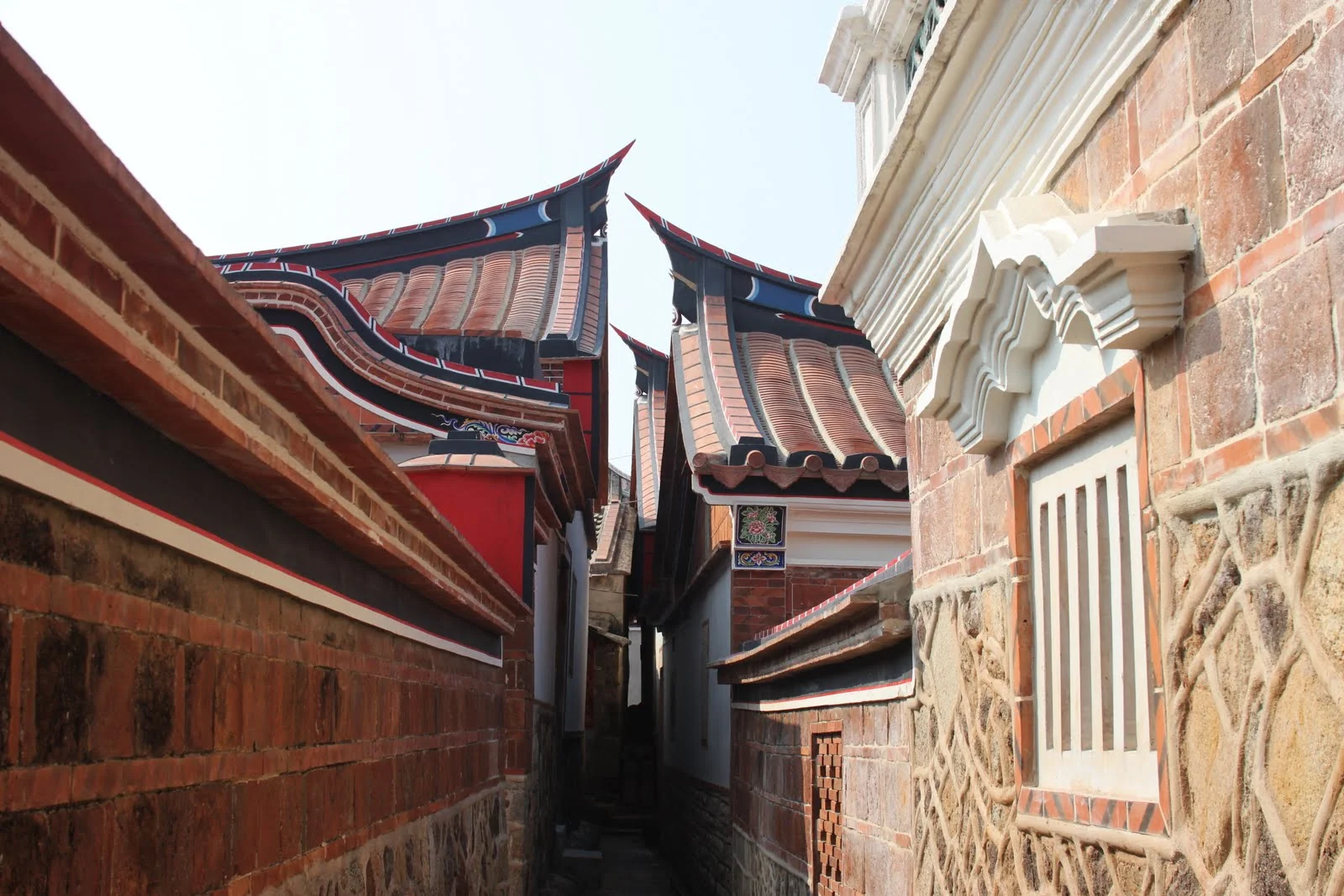
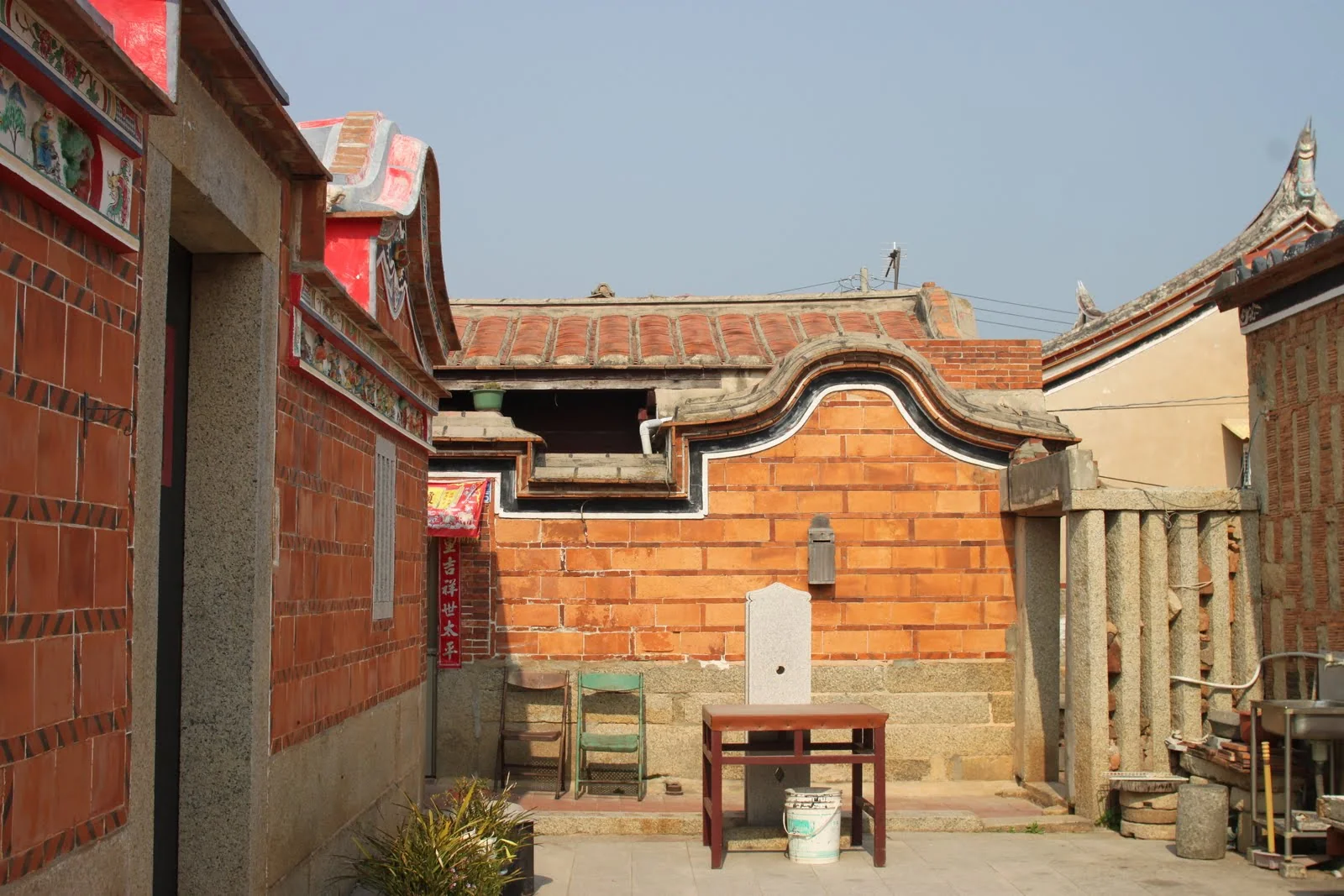
Then there were the horseback roofs. Their outlines looked rounder and heavier than the swallowtails, and the neighboring rooftops gave me plenty of chances to practice telling the two styles apart.
Brick Out, Stone In
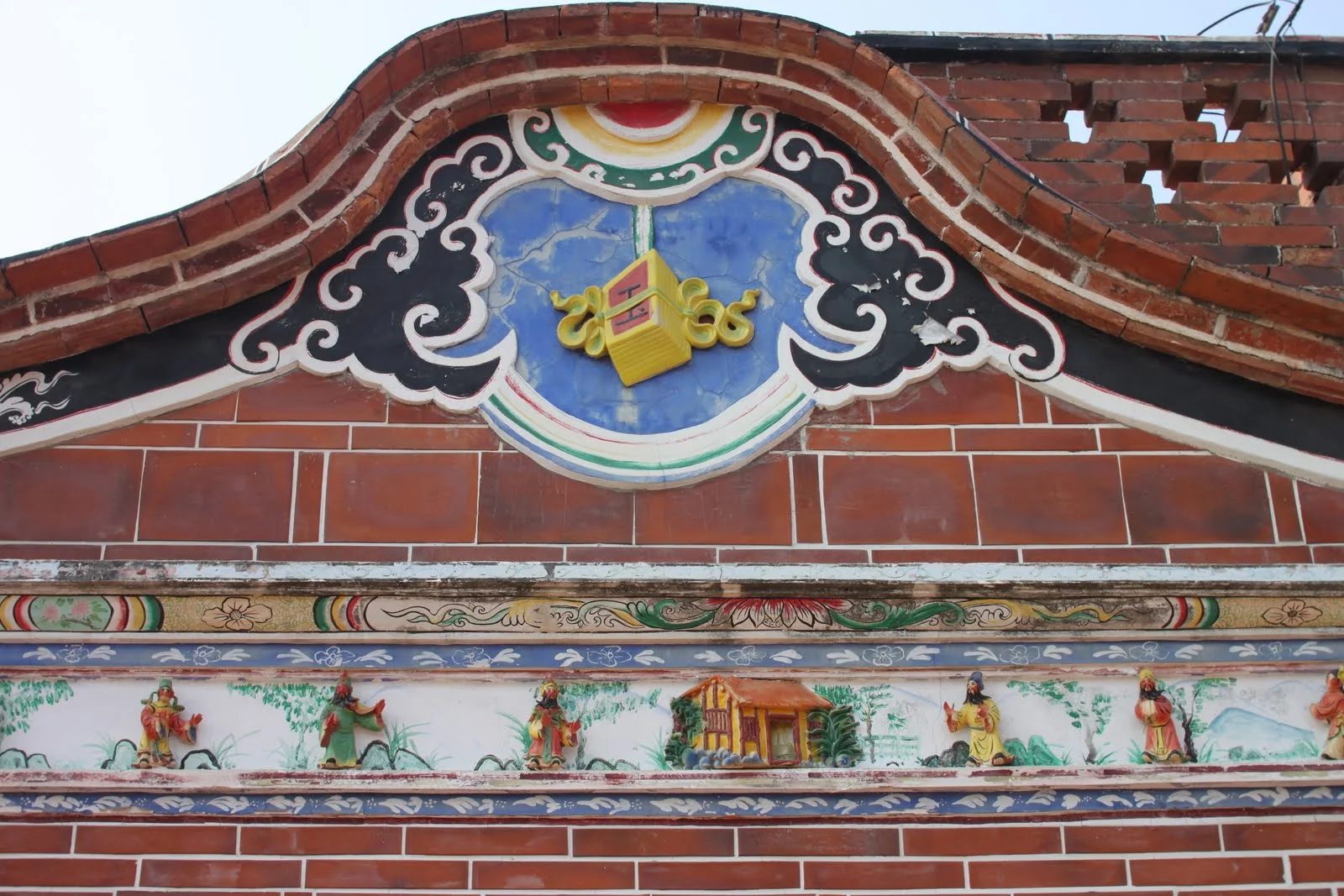
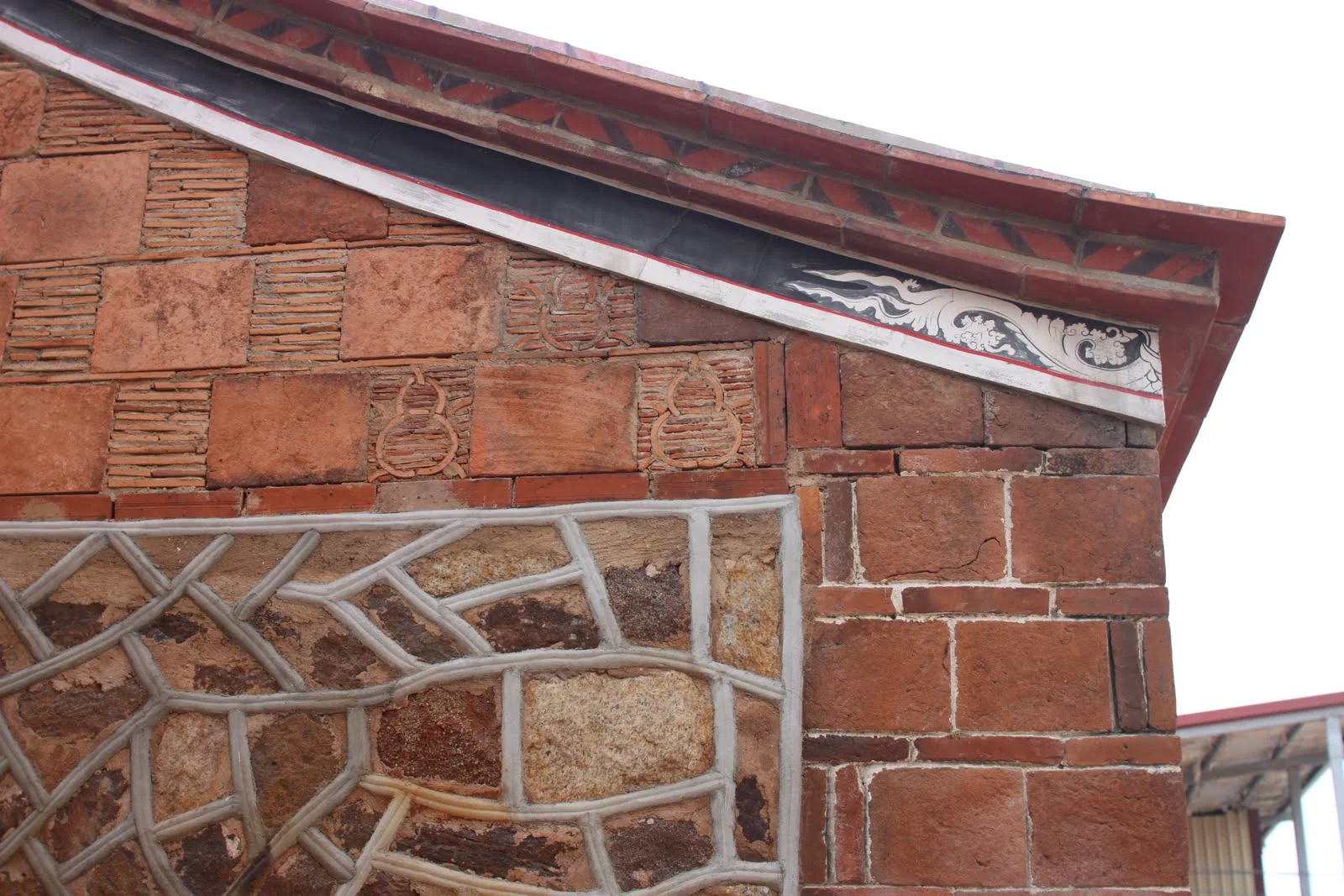
The “brick-out, stone-in” walls combine red brick with pieces of stone. The materials, shapes, and colors do not match perfectly, but together they create a wall with a character that feels distinctly Kinmen.
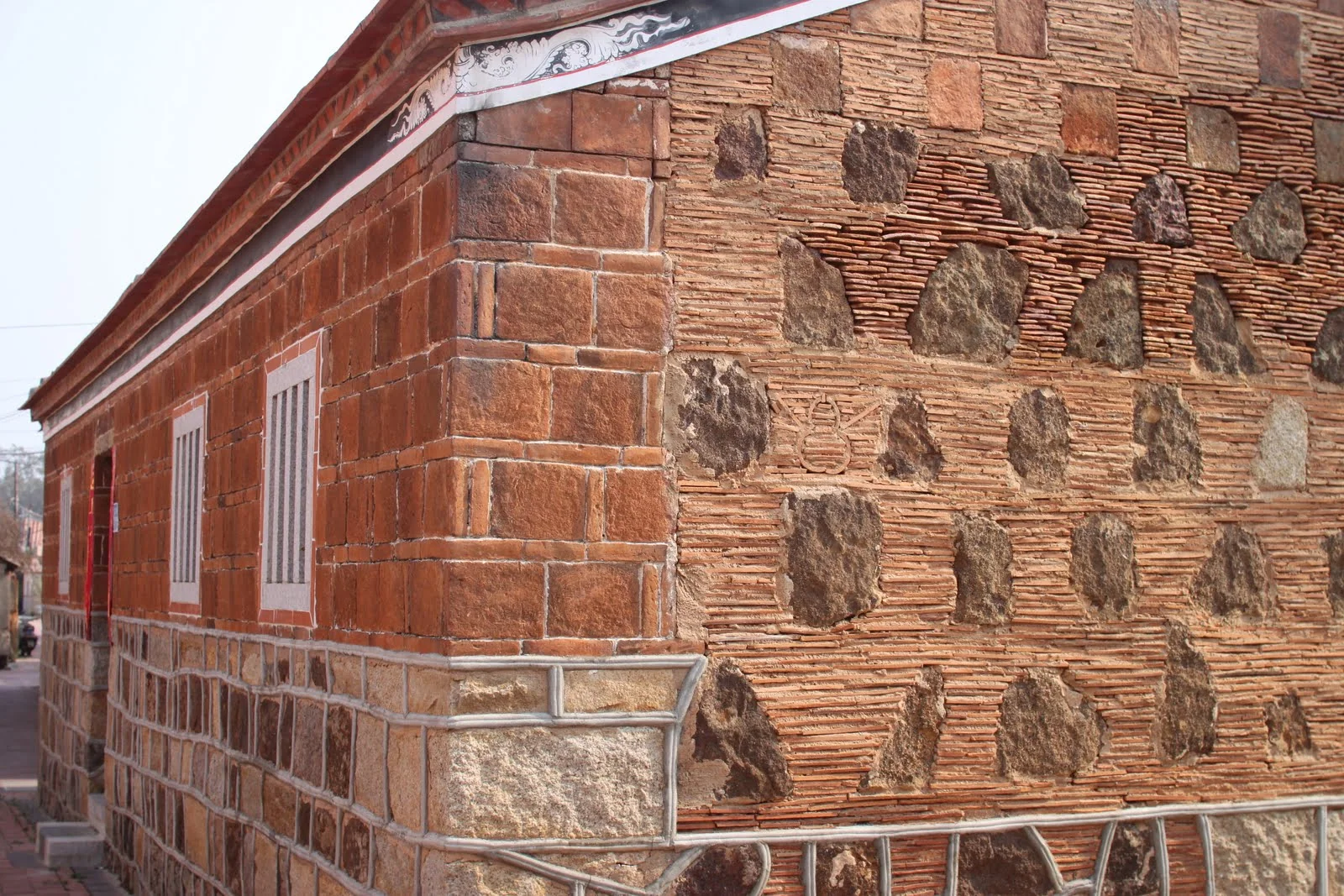
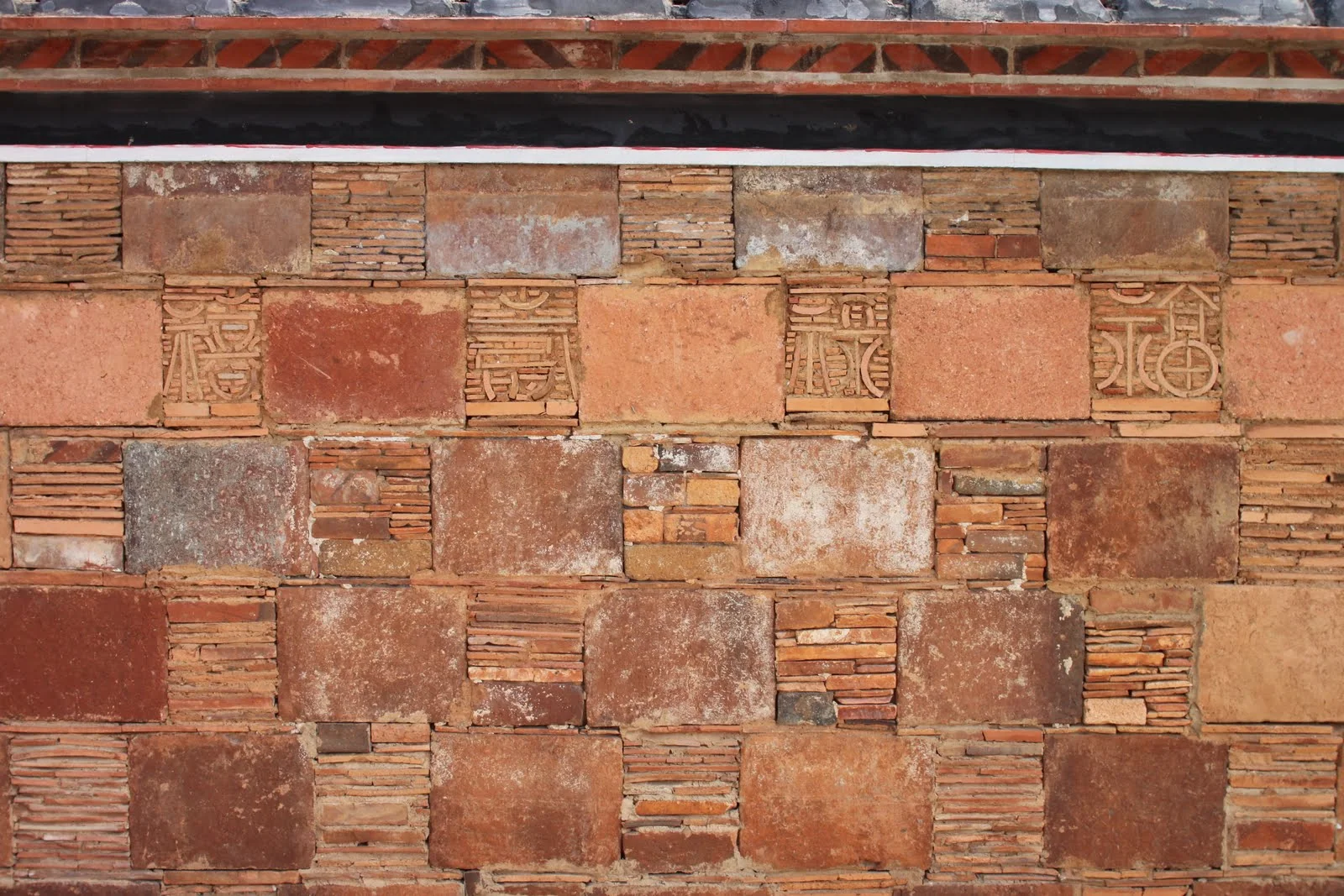
A little humor from the people who built these houses long ago?! They even embedded a turtle in the brick wall ~.~'"
Wandering the Village Lanes
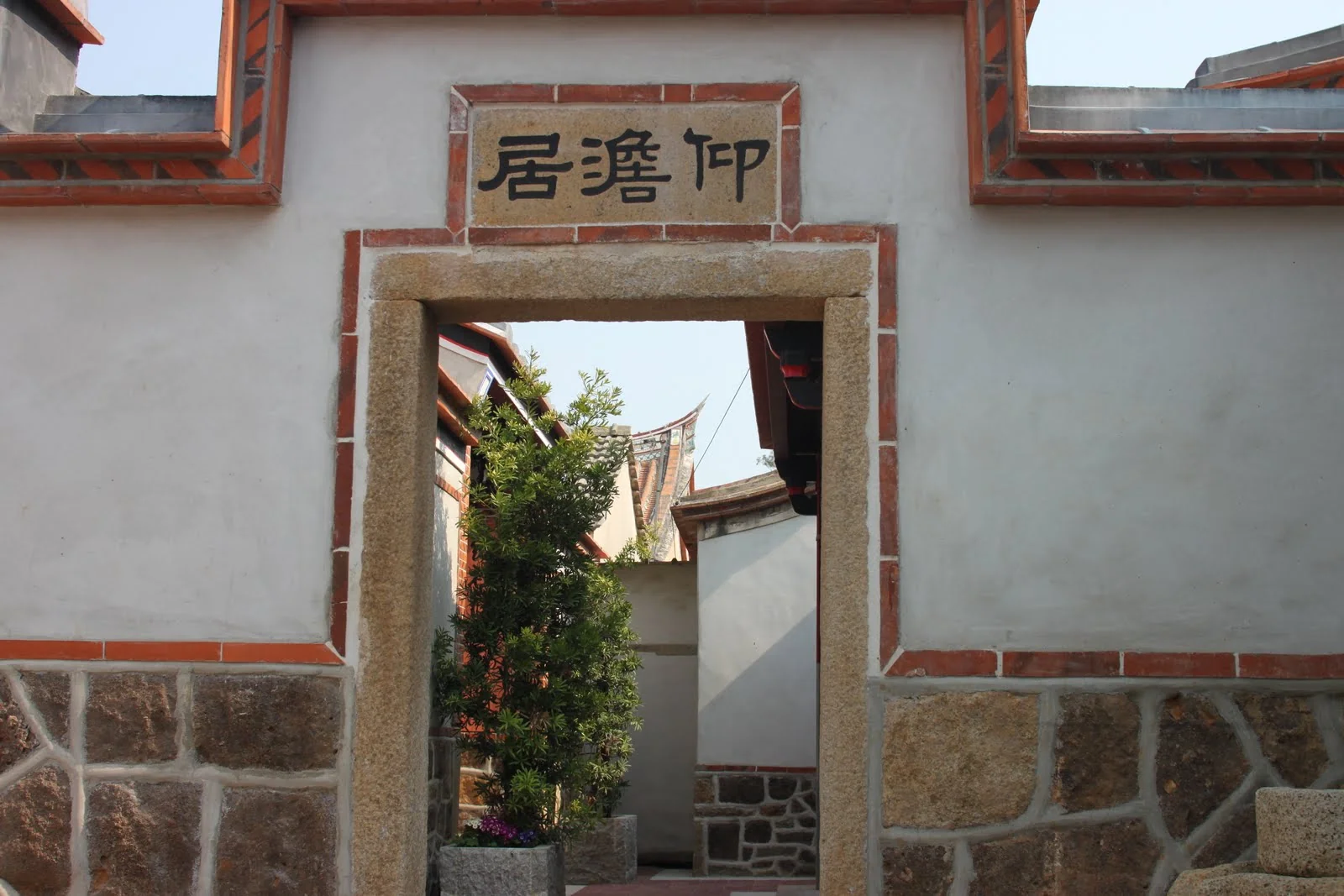
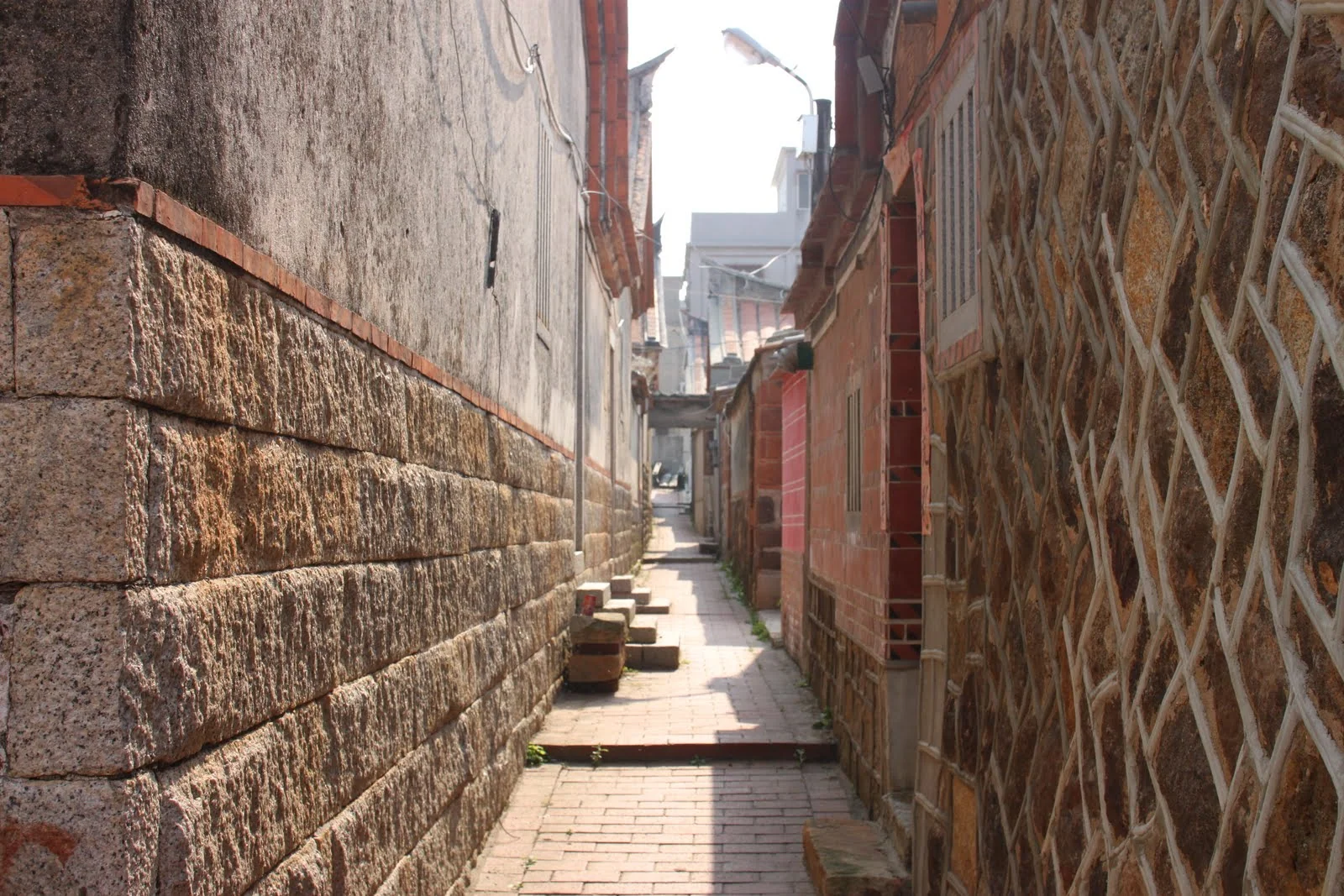
From there, we simply took our time walking and taking pictures around Qionglin. Old walls, rooftops, and narrow lanes connected one after another, with a different village scene waiting around every corner.
A Homestay in an Old House
Some of the old houses in the village had been converted into homestays. They looked wonderfully nostalgic from the outside, but there was no need to worry about the bedrooms: inside were soft spring mattresses, televisions, and refrigerators after all…
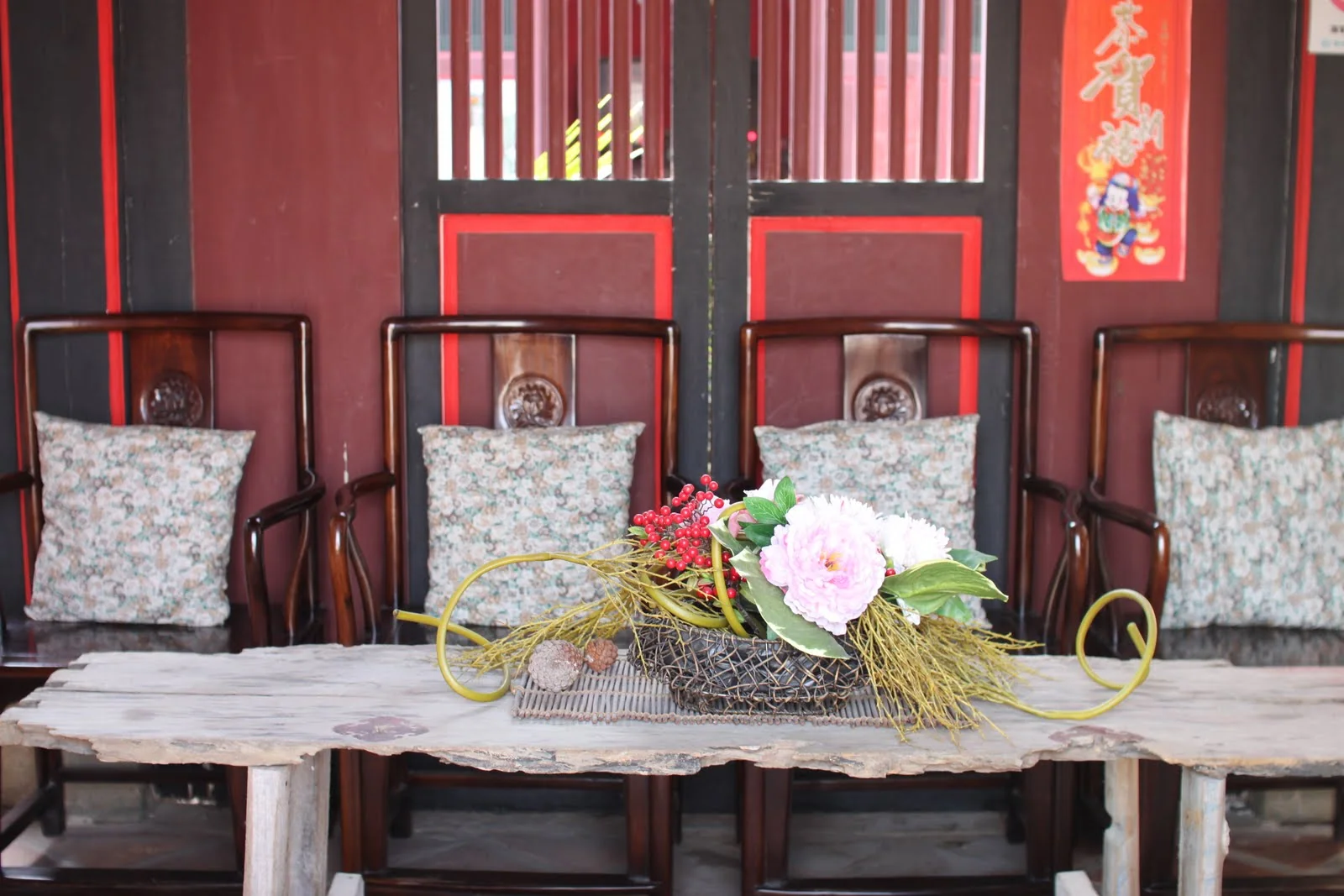
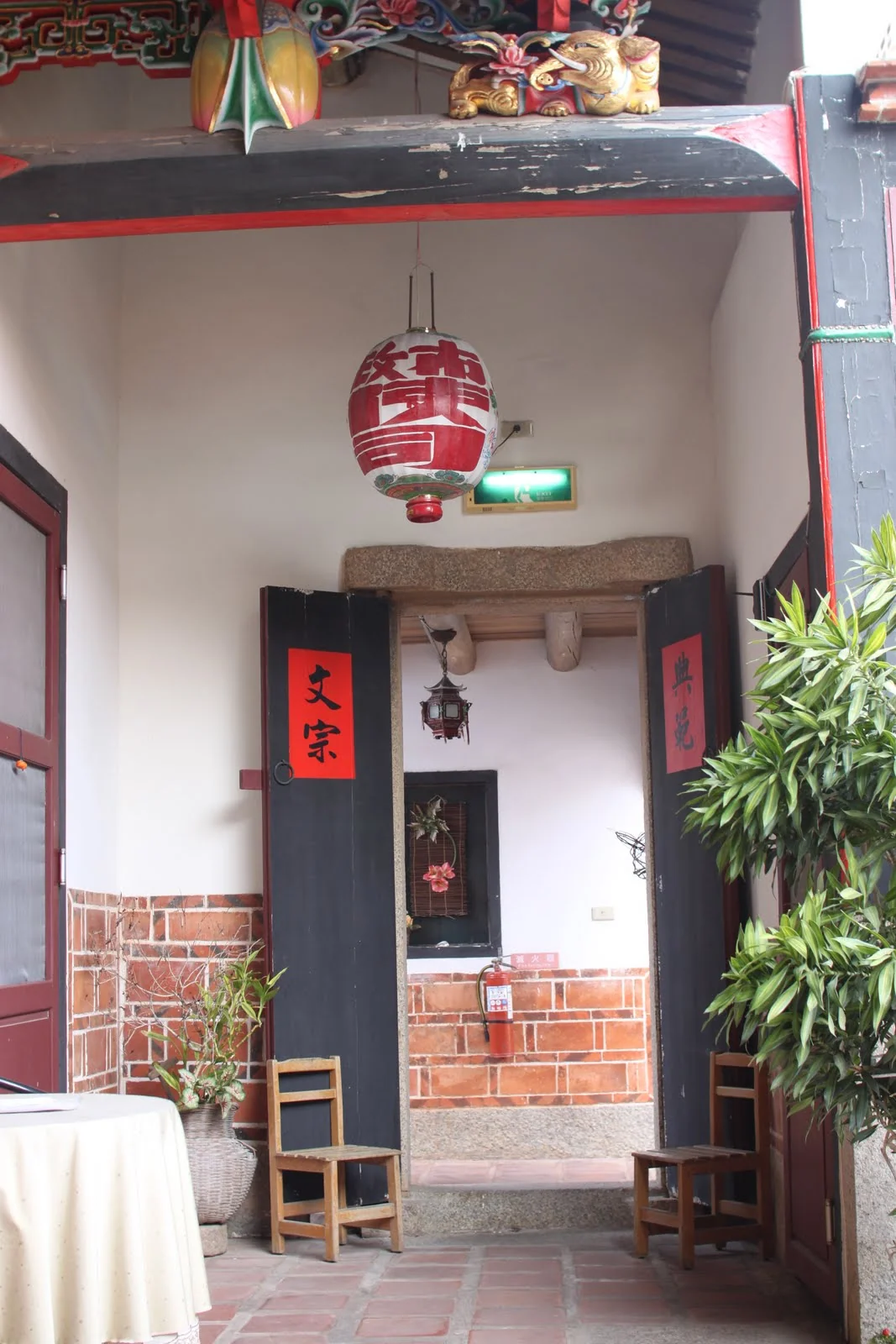
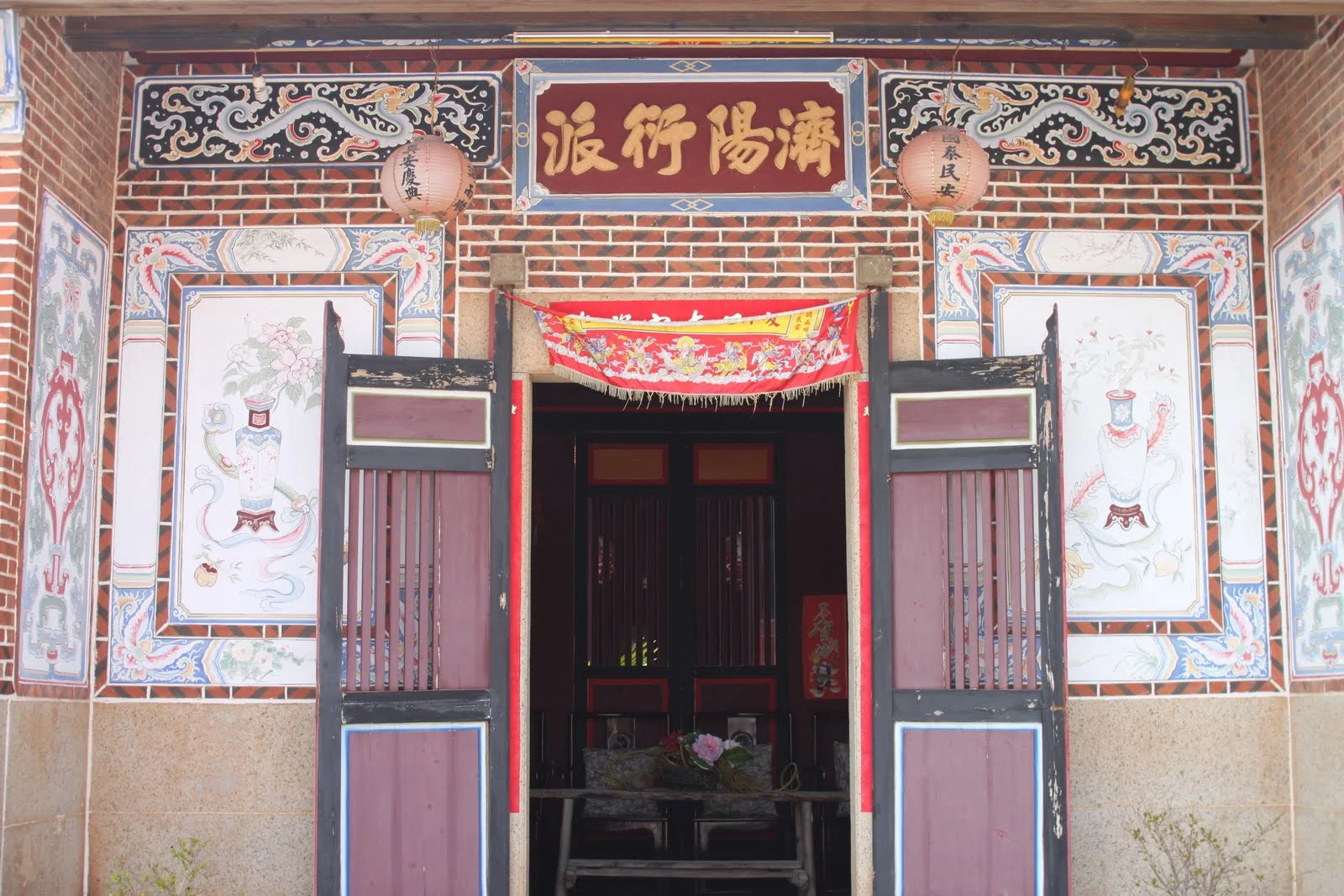
Old-fashioned on the outside and modern on the inside—that was the charm of staying here. If I had the chance, I would definitely give it a try ^.^
Related Posts
Kinmen Travel OverviewHistoric Sites
The Sixth- and Tenth-Generation Ancestral Halls of Qionglin Ming Dynasty Heritage Street
Military Sites
Chenggong Tunnel、Jiangong Islet Mount Taiwu
Traditional Houses and Western-Style Mansions
Qionglin Village、Shuitou Village、Chen Jing-lan Western-Style House
Complete Photo Gallery
Previewing up to 8 album photos. Open the gallery to browse all photos.