April 2, 2011 — Visiting the Qionglin Ancestral Halls in Kinmen
Qionglin produced a remarkable number of talented people during the Ming and Qing dynasties. From this single village came six jinshi degree holders, seven juren, fifteen tribute scholars, and six military officers. Its civil officials and military commanders were also remembered for their loyalty, filial devotion, integrity, and moral character. Cai Tinglan, Penghu’s first jinshi, traced his ancestry to Qionglin as well.
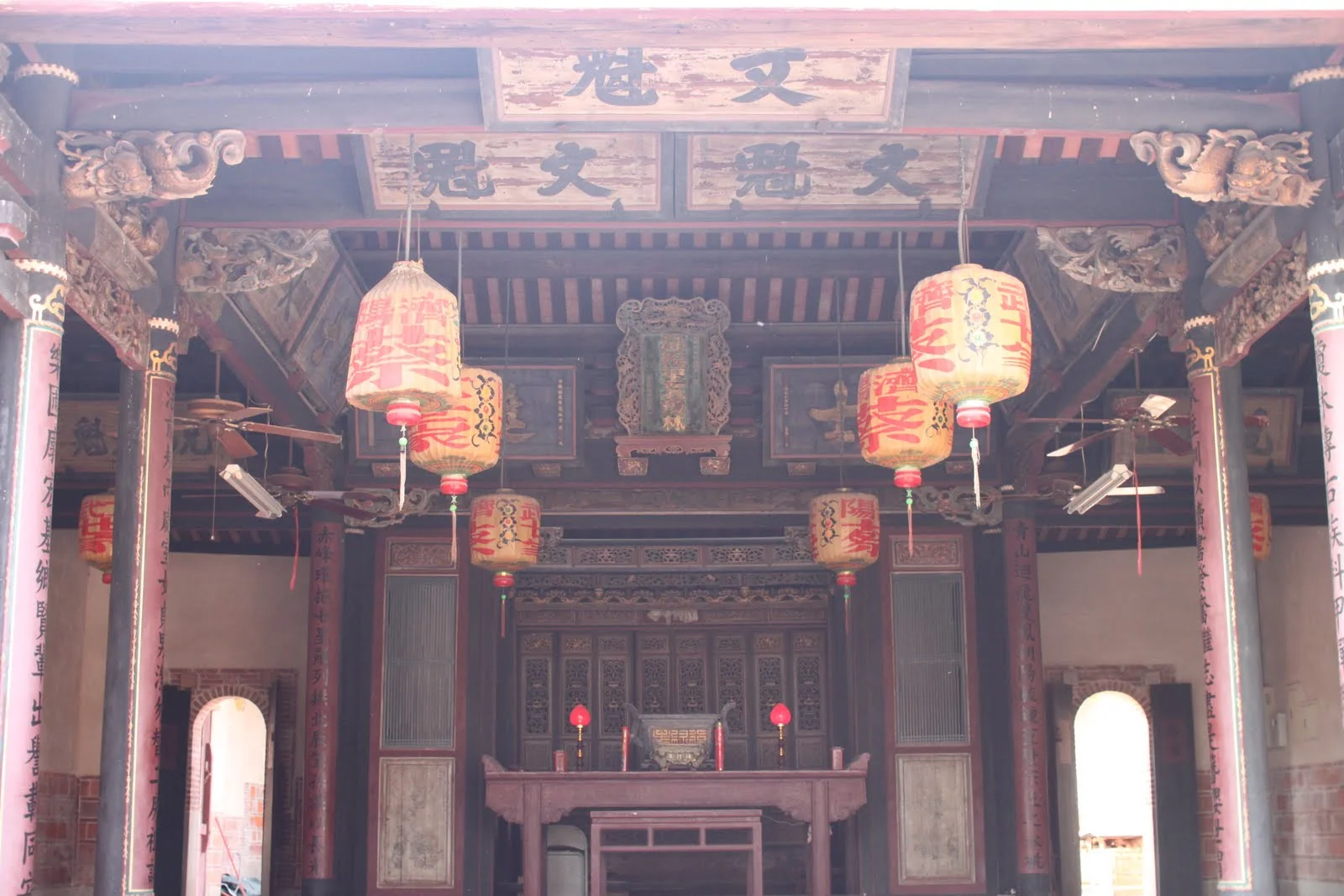
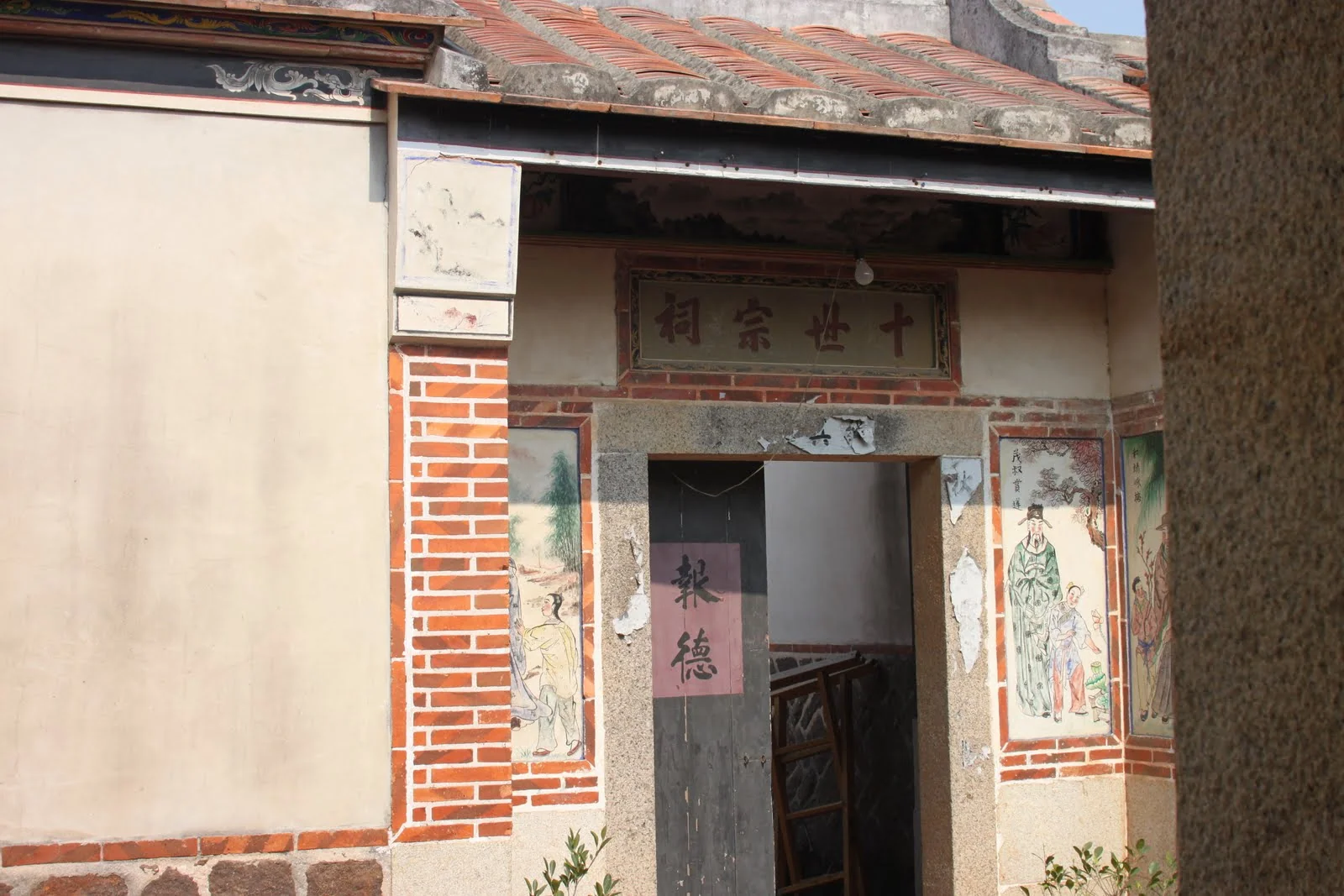
Qionglin has several ancestral halls, but the Tenth-Generation Ancestral Hall preserves the richest collection of honorary plaques. The moment we stepped inside, the plaques suspended among the beams drew our eyes upward.
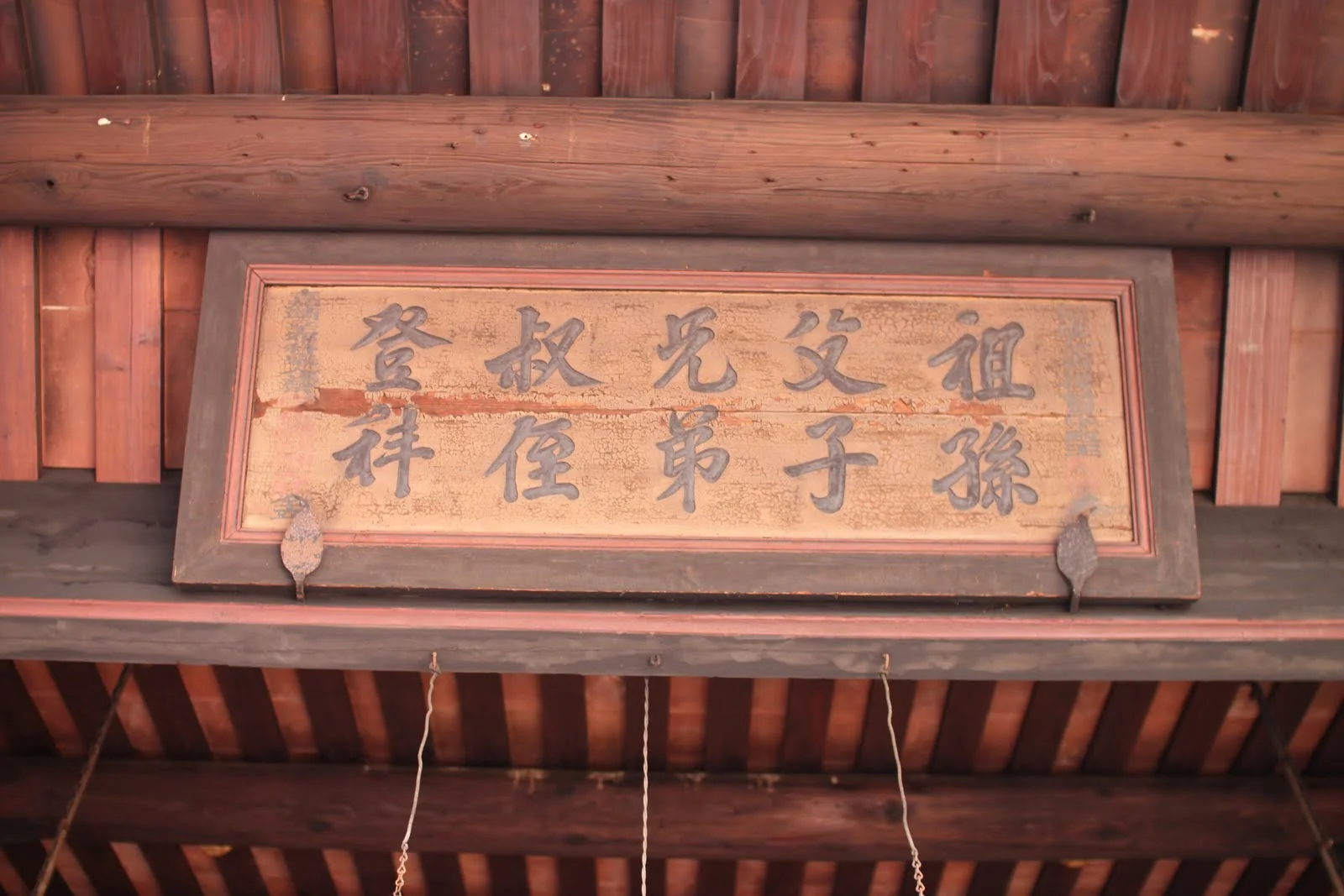
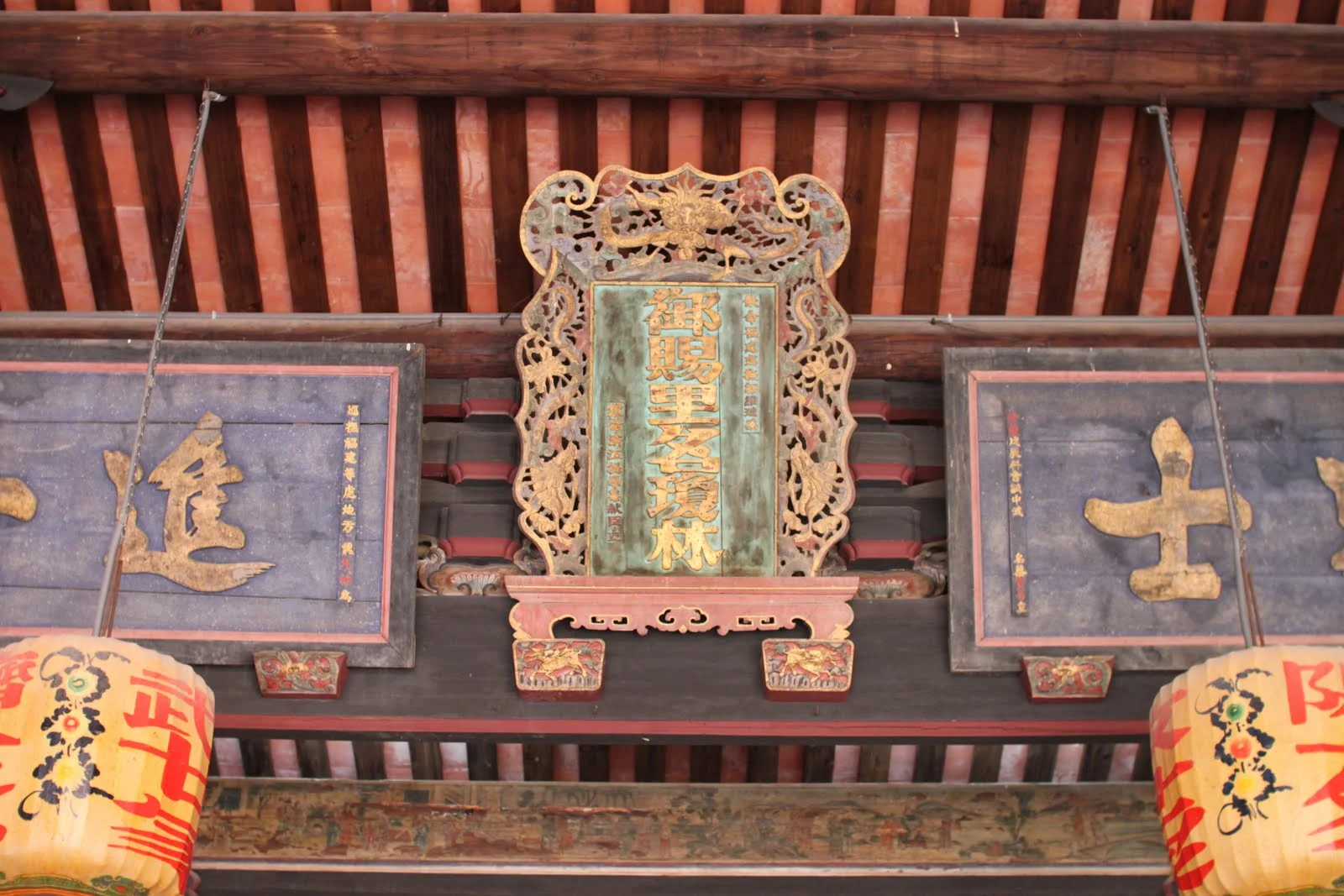
Qionglin was originally called Pinglin. In 1625, the fifth year of the Tianqi Emperor’s reign, Fujian governor Zou Weilian regarded local scholar Cai Xianchen as a man of exemplary learning and petitioned the imperial court to grant the village a new name. The emperor bestowed the name “Qionglin,” and the wooden plaque commemorating that history still hangs inside the ancestral hall.
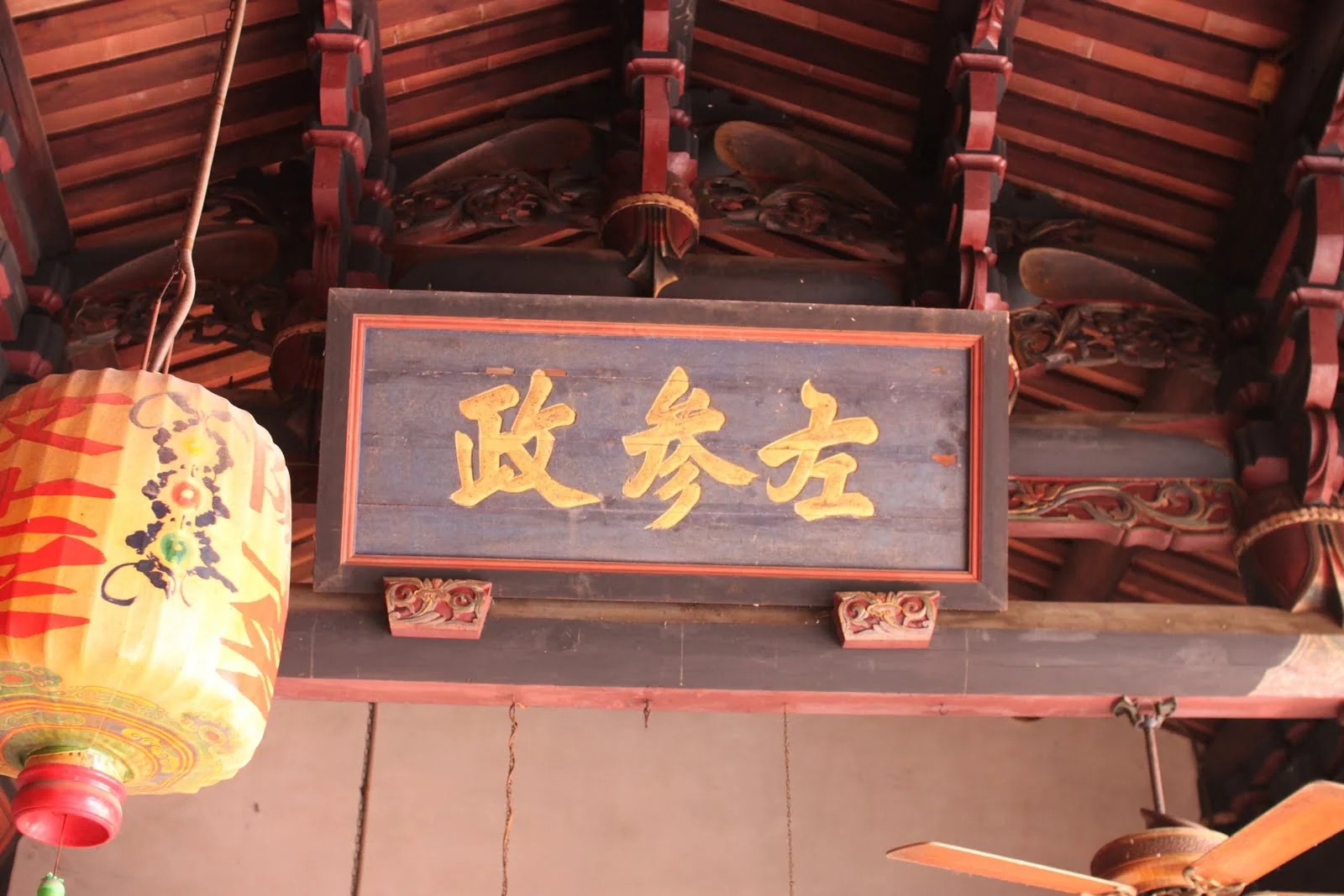
Every plaque has a glorious story behind it. Looking up inside the hall was almost dizzying—there was so much to take in, and it was genuinely breathtaking!!
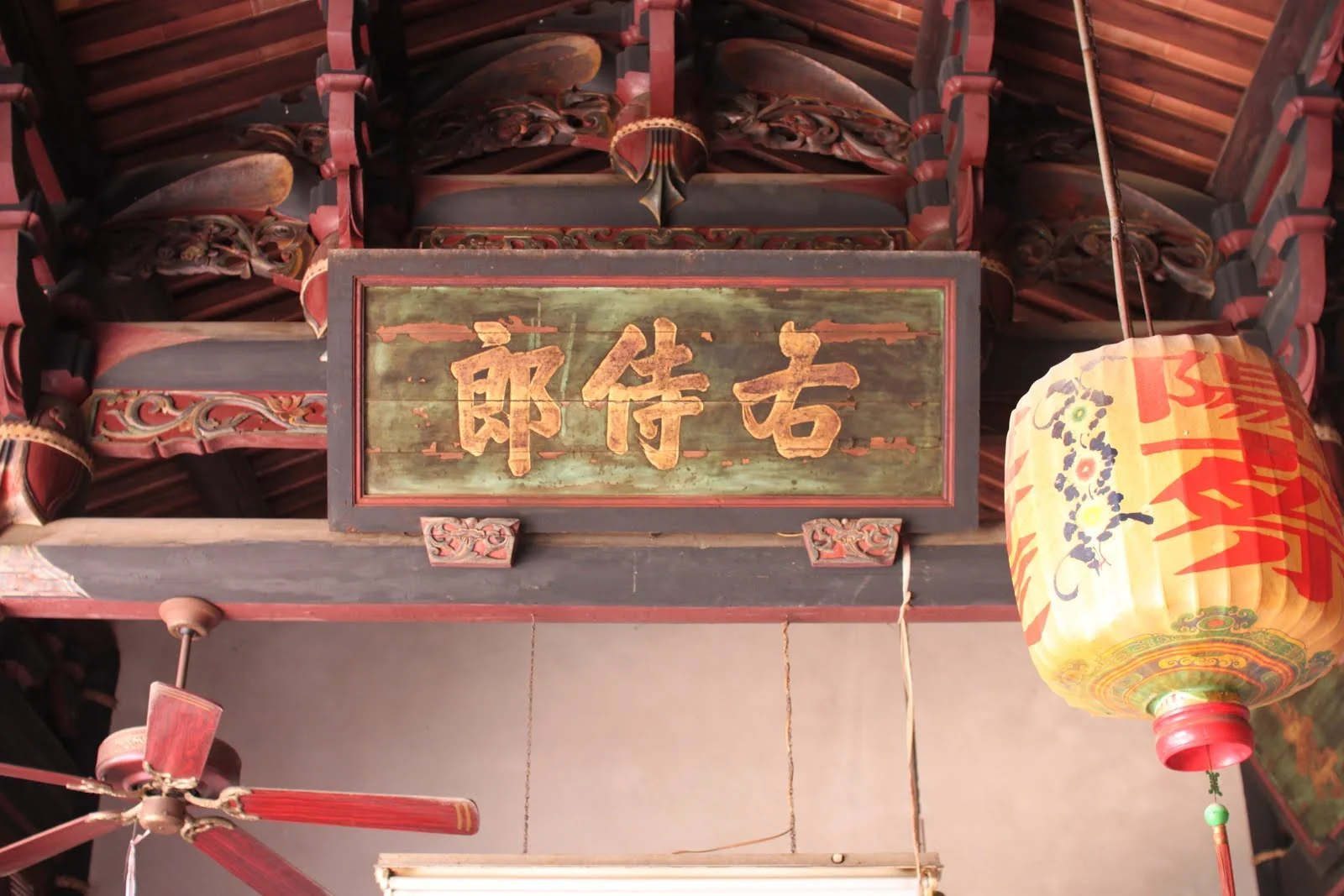
Cai Xianchen earned the juren degree in 1588, during the reign of the Wanli Emperor, and passed the jinshi examination the following year. He later served as Provincial Surveillance Commissioner of Huguang and as an education commissioner in Zhejiang. After his death, he was posthumously appointed Right Vice Minister of Justice and was remembered as an upright and principled official.
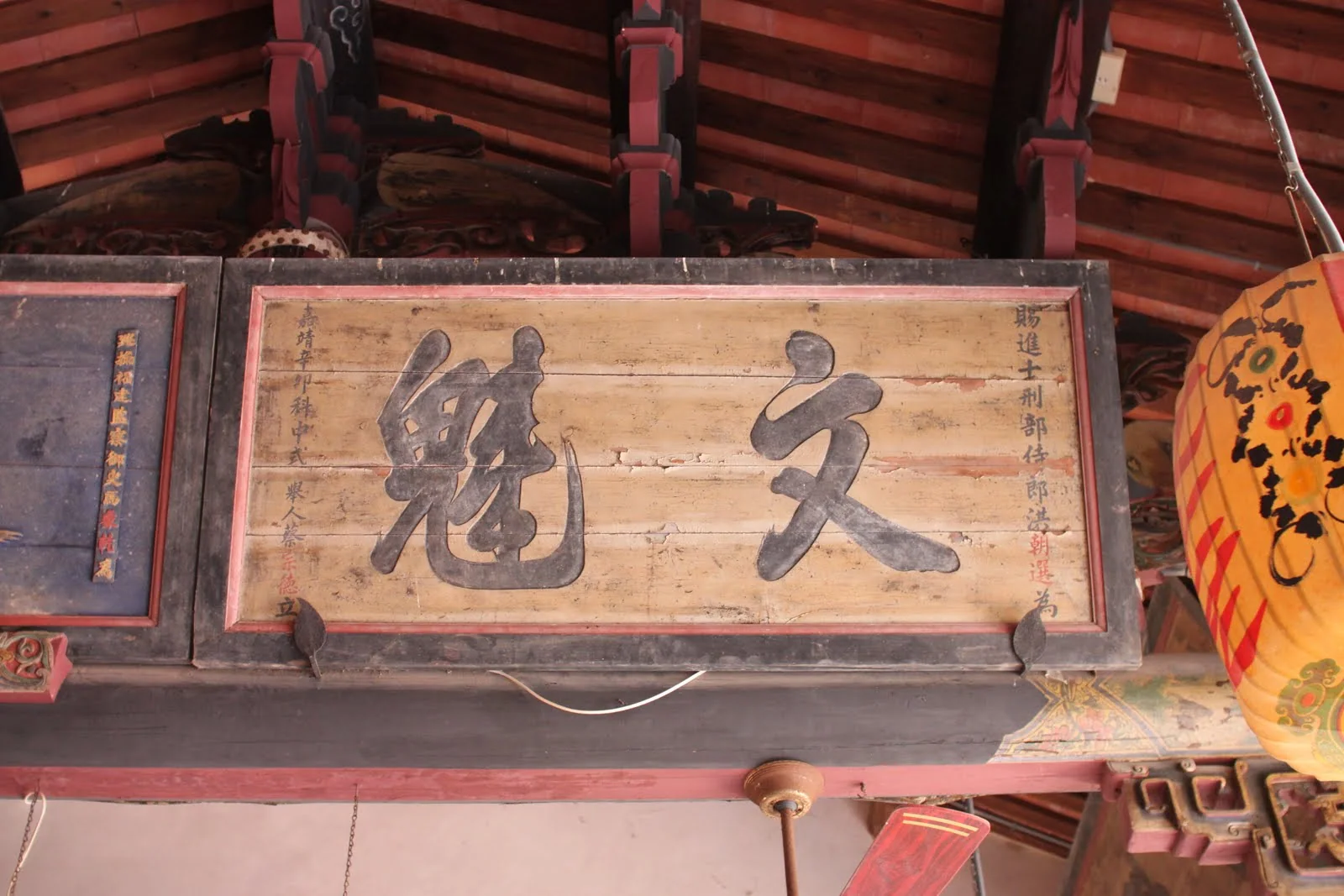
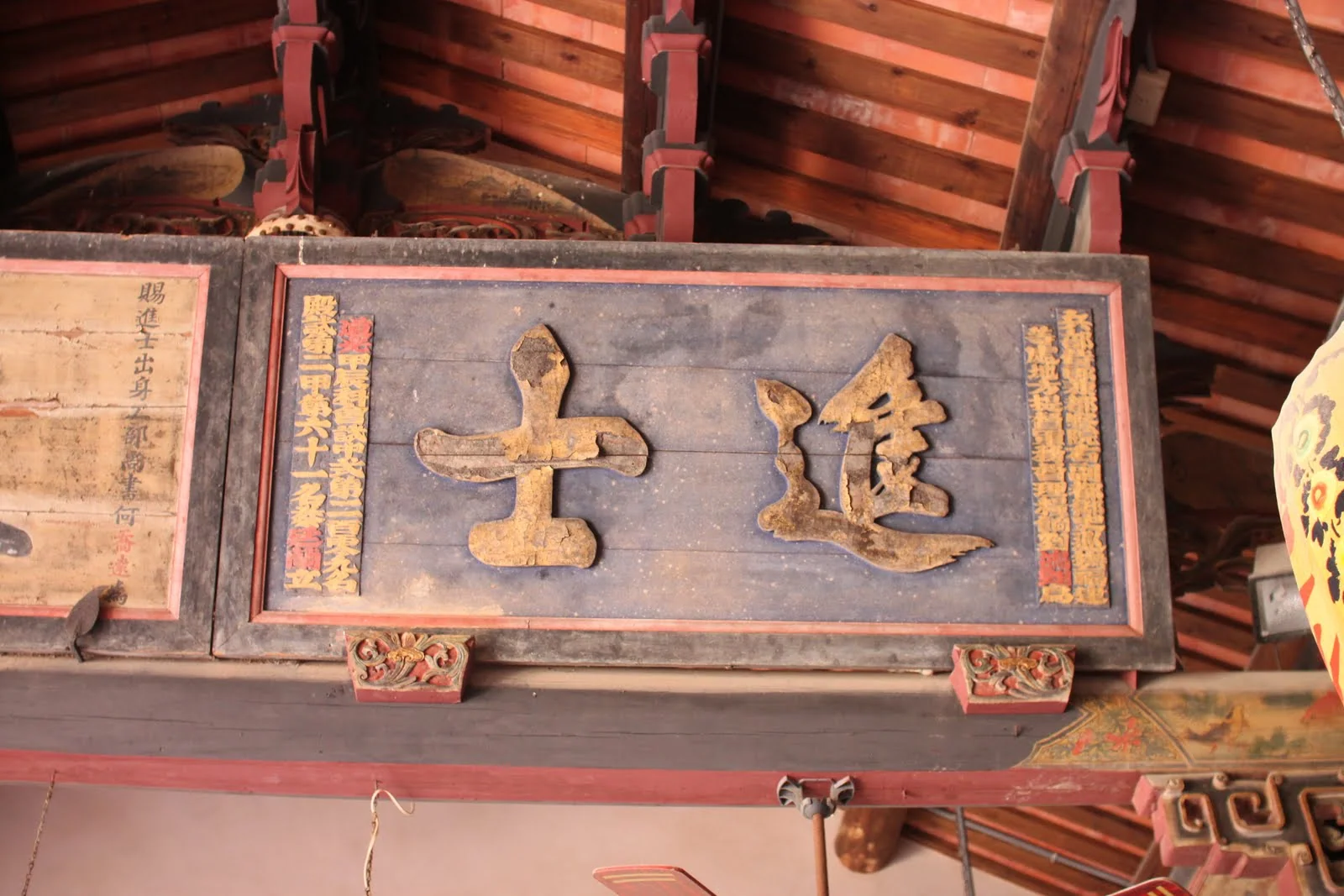
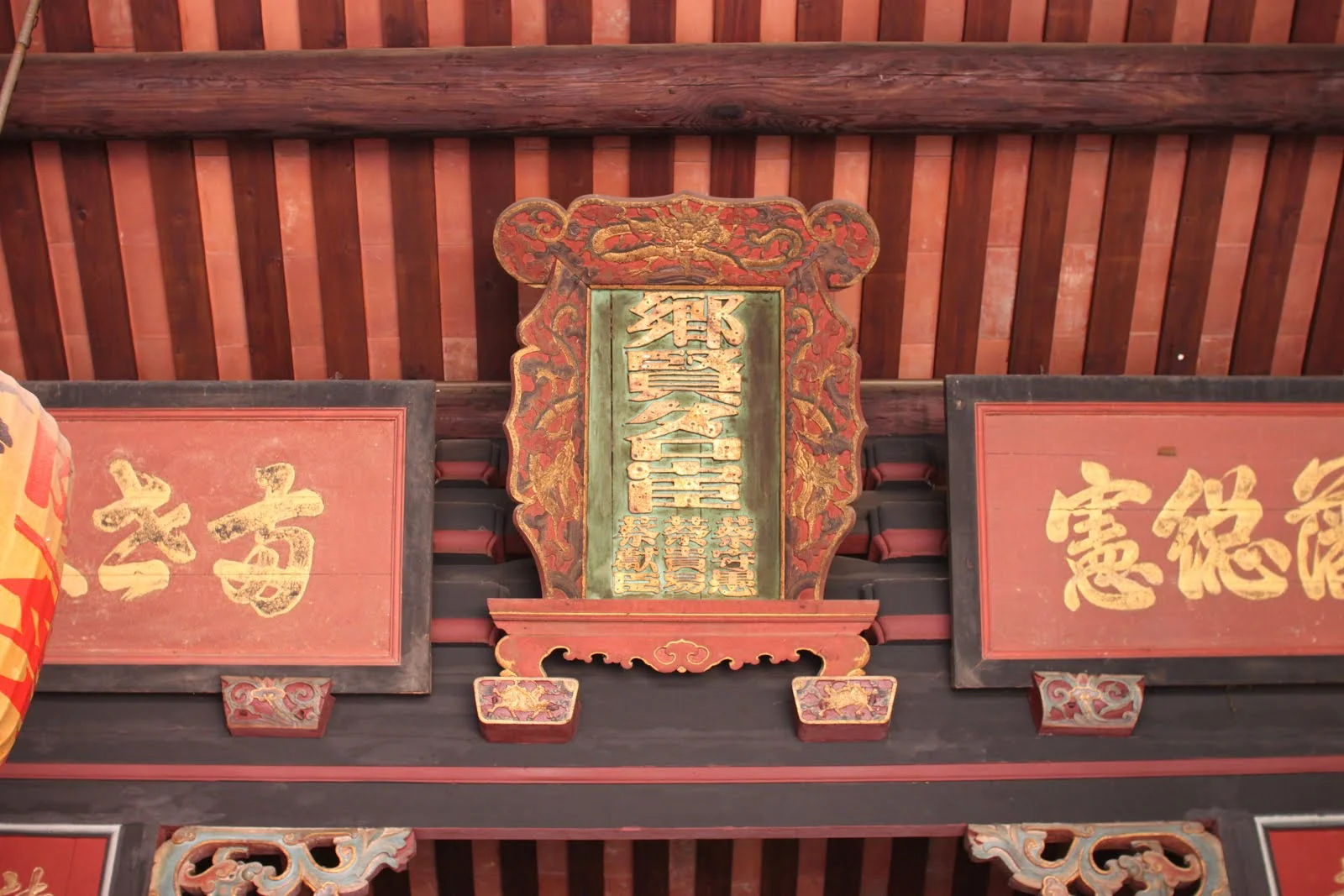
Qionglin also became known as a village of “Distinguished Officials and Worthy Scholars.” From the Longqing era through the twentieth year of the Wanli era, the “Three Cais of Qionglin”—Cai Guiyi, Cai Shouyu, and Cai Xianchen—each attained the jinshi degree. Cai Guiyi served in educational posts in Zhejiang and Guizhou, while Cai Shouyu rose to become Provincial Administration Commissioner of Yunnan. Cai Guiyi and his son Cai Xianchen were further celebrated as “Father and Son Masters of Letters.” During the Qianlong era of the Qing dynasty, the prefect of Quanzhou inscribed the plaque “Distinguished Officials and Worthy Scholars.” (Source: Ancestral Hall Culture: A Distinctive Feature of Kinmen)
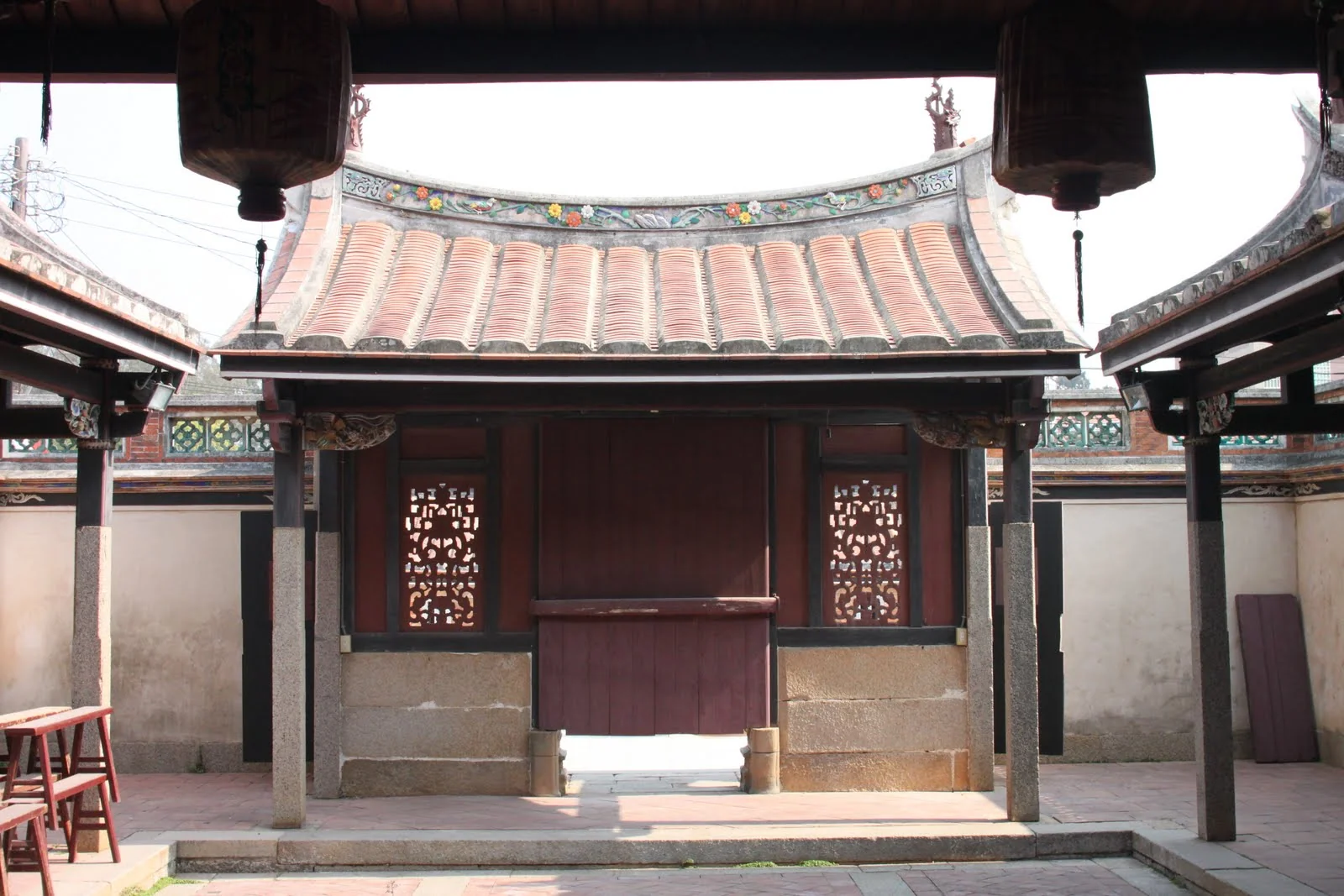
After visiting the ancestral halls, we headed straight into Qionglin Village to see its distinctive local architecture~
Related Posts
Kinmen Travelogue—OverviewHistoric Sites
The Sixth- and Tenth-Generation Ancestral Halls of Qionglin
Ming-Era Old Street
Military Sites
Chenggong Tunnel, Jiangong Islet
Mount Taiwu
Traditional Houses and Western-Style Mansions
Qionglin Village, Shuitou Village, Chen Jinglan Western-Style Mansion
Complete Photo Gallery
Previewing up to 8 album photos. Open the gallery to browse all photos.