August 6, 2010 — Sun Moon Lake Travel Notes, 1 of 6: Planning and Overview
Canon EOS 500D 18–55mm F3.5–5.6 + Speedlite YN-468
During summer vacation, we planned a two-day trip to Sun Moon Lake with my wife's relatives. With seven adults and seven children, it was quite a procession.
For a long time, I had wondered whether the places popular with tourists from China were mostly products of media hype. Were they really that much fun? Plenty of those visitors must have seen places such as Huangshan, Jiuzhaigou, and Zhangjiajie, so what made Sun Moon Lake so appealing?
I had also been unimpressed by the quality of domestic travel. In my mind, it meant traffic, crowds, and messy surroundings. This trip to Sun Moon Lake, however, was a refreshing surprise ^.^
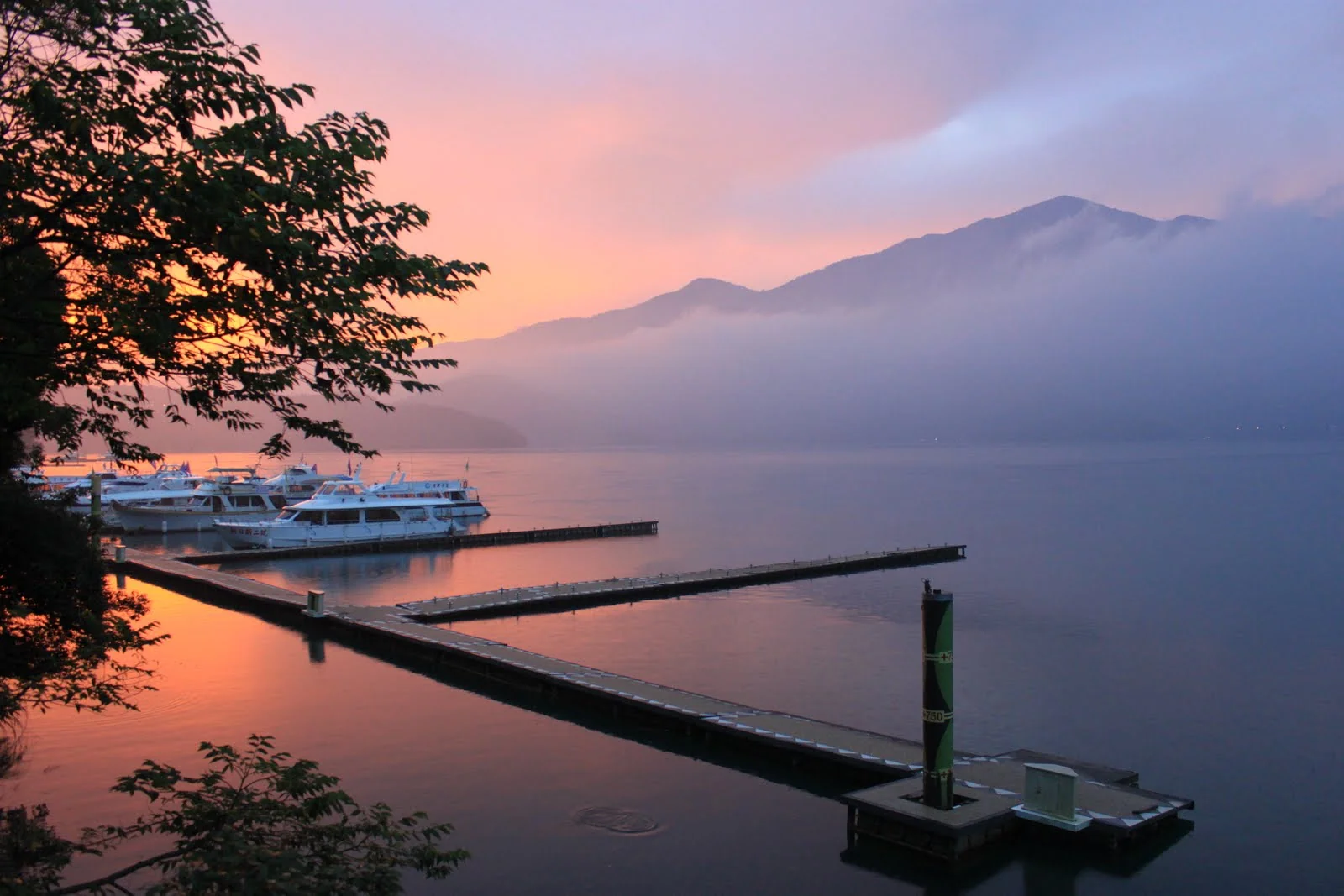
Why Sun Moon Lake?
In the blazing summer heat, taking seven adults and seven children to Kenting would have been asking for trouble. Heading into the mountains was the obvious choice.
Hehuanshan and Wuling Farm also came up in our discussions, and I would have loved to visit either one. Once we considered the long drive and mountain roads, though, we decided to save them for another trip.
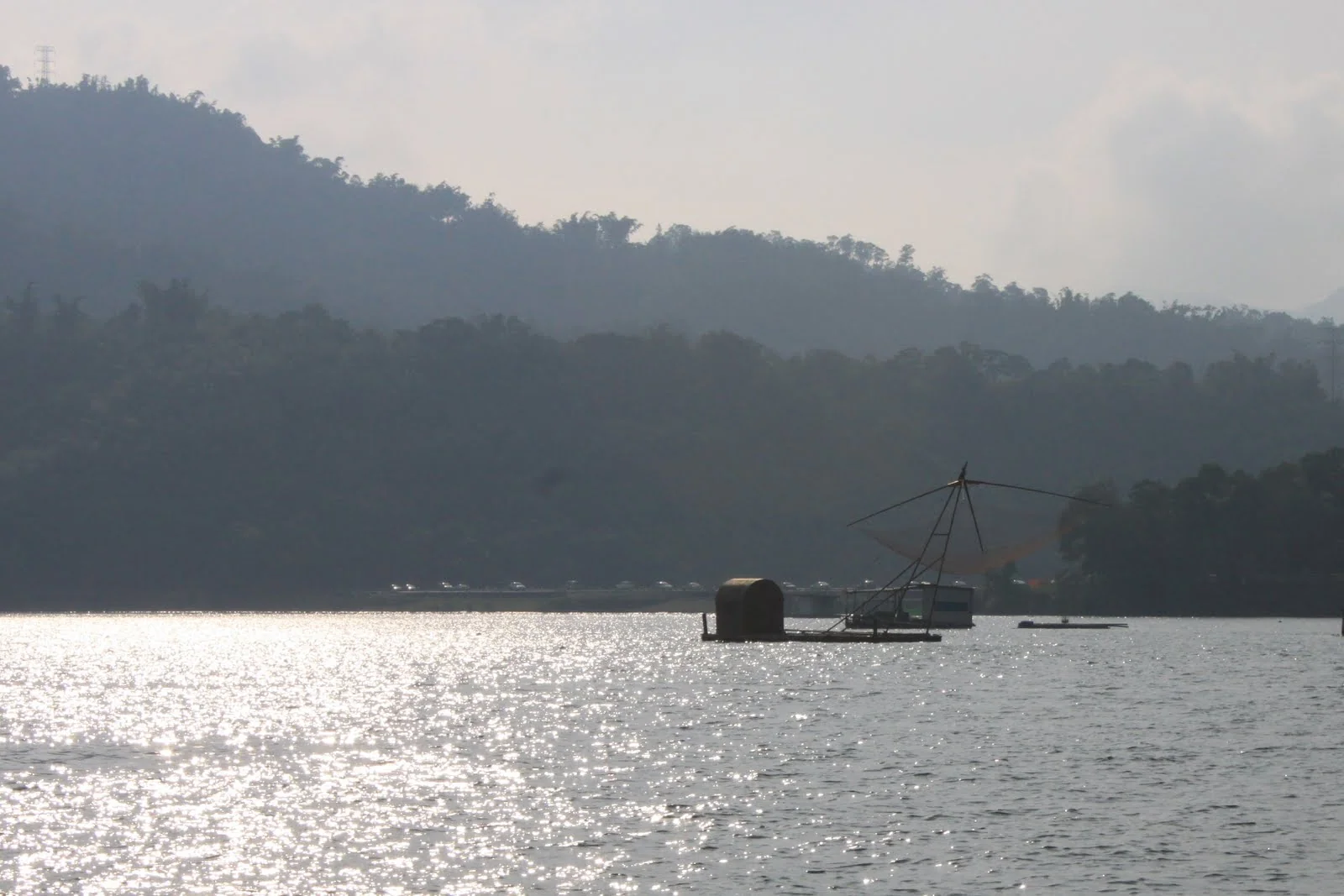
After National Freeway 6 opened, the drive from Taipei to Puli and onward to Sun Moon Lake took about three hours. Easy access was one of the main reasons we chose it ^.^
The figures I found at the time put the average summer temperature around 22–23°C. Shortly before the trip, the recent readings showed a midday high of about 29.7°C, falling to roughly 23°C by evening. That sounded... well, comfortable enough for an outing ^.^
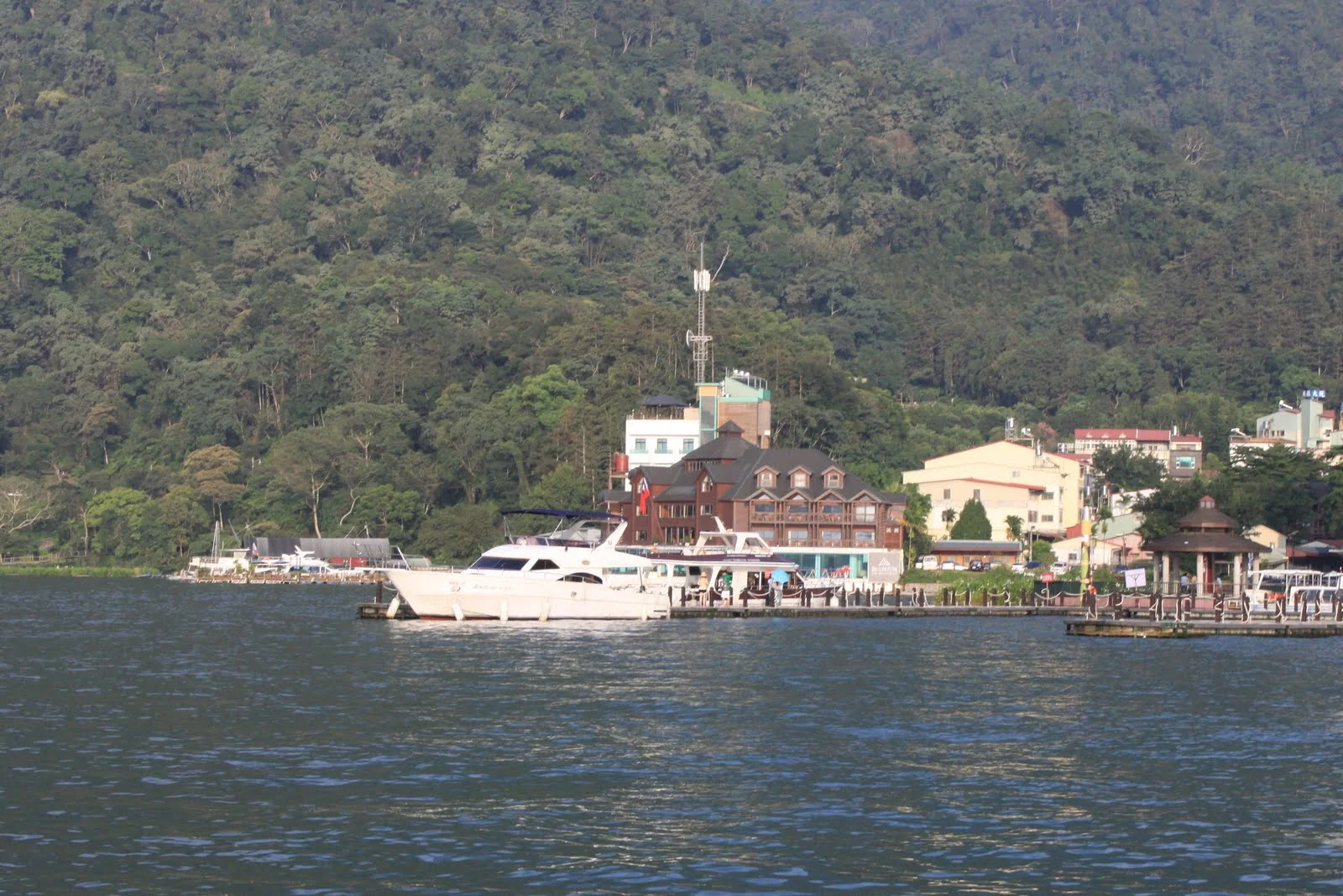
With the destination and weather settled, it was time to deal with the rather more delicate matter of finding rooms ~.~
Choosing a hotel
At the luxury end, Sun Moon Lake had places such as The Lalu, Fleur de Chine, and Sun Moon Lake Hotel. Their prices were suitably luxurious too: mountain-view rooms started around NT$8,000, while lake-view rooms were even further beyond reach.
We lowered our sights and searched for recommendations online. Laurel Villa had a good reputation, but with only fifteen rooms, it was already fully booked.
Then we found an information-packed website showing attractions and accommodation around the lake:
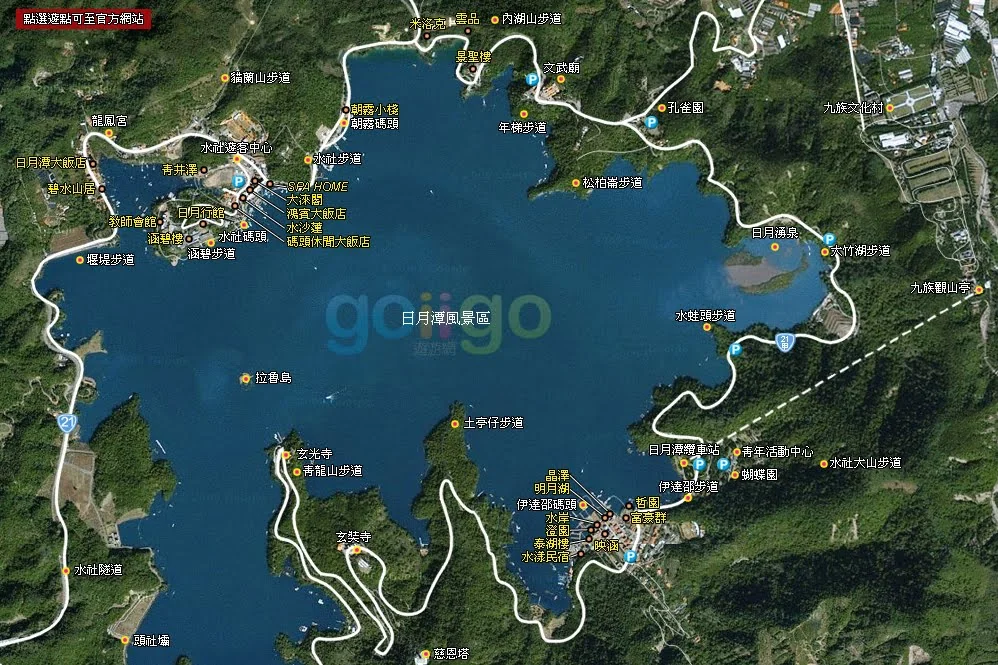
Combining that map with our sightseeing plans and a friend's recommendation, we chose Del Lago, beside Shuishe Pier.
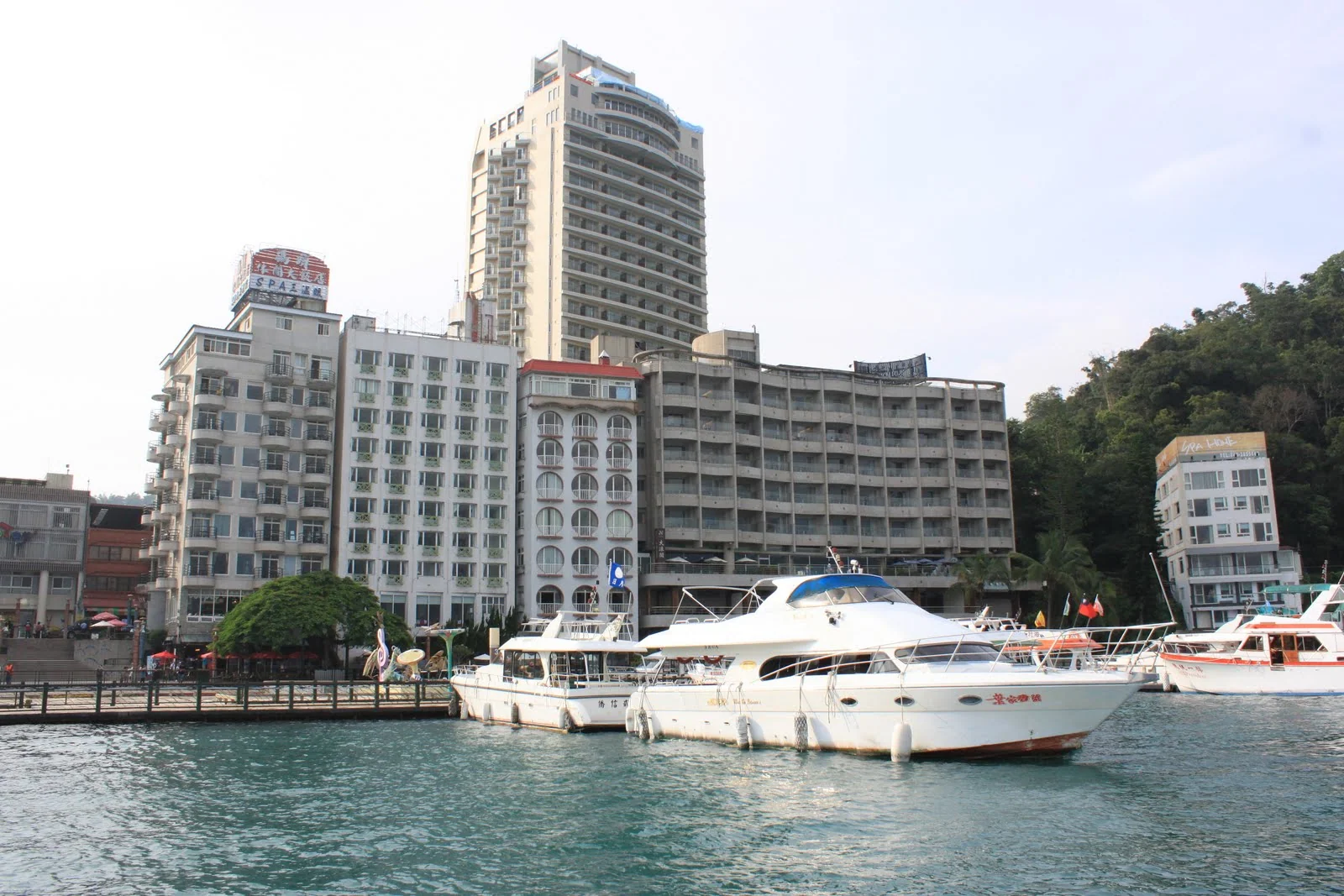
Honestly, without my friend's recommendation, I might have skipped right past the hotel based on its Chinese name alone. It really did not sound very appealing @.@'"
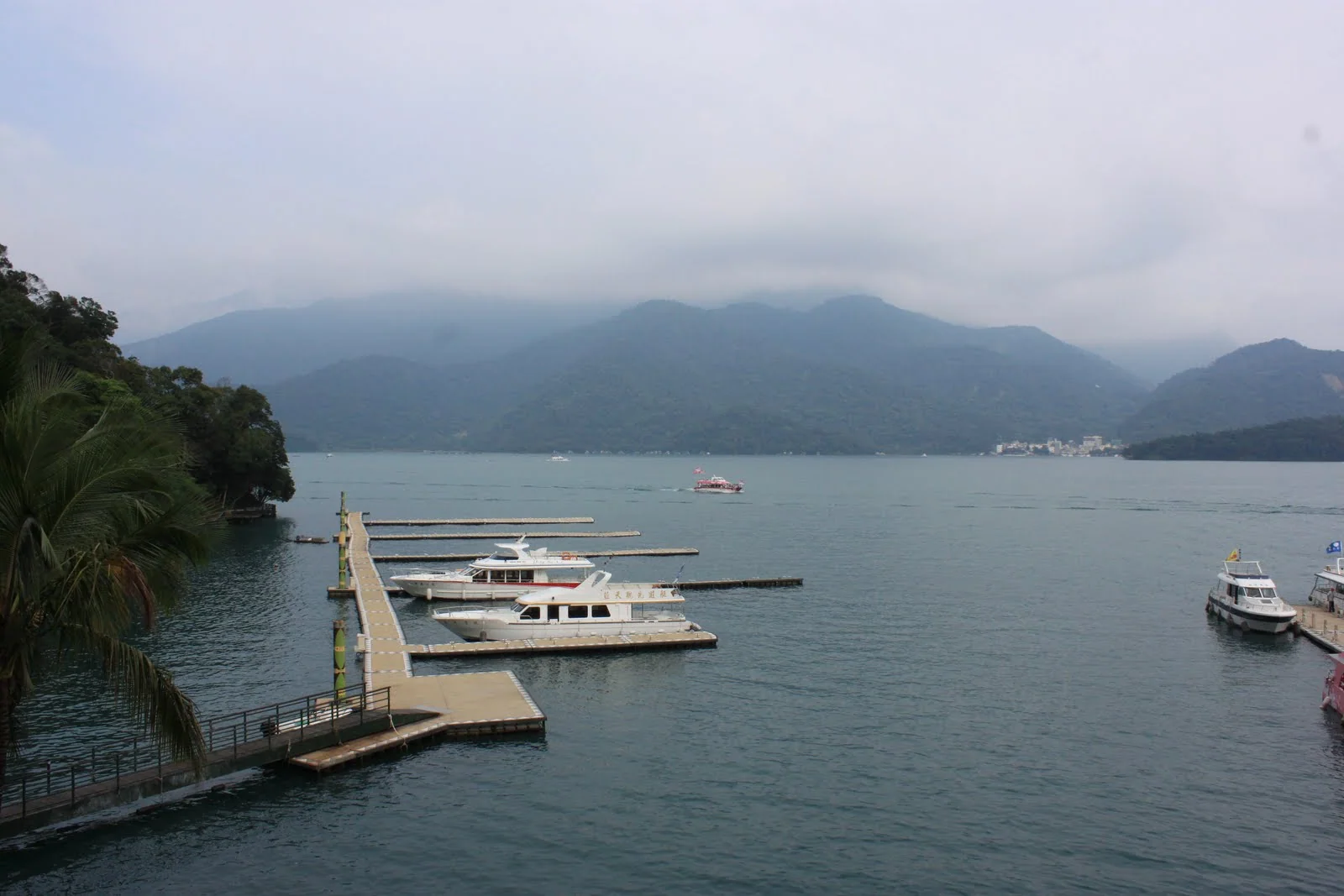
The name aside, its location was excellent: next to Shuishe Pier and right on the waterfront. It had been rebuilt after its predecessor, Tianlu Hotel, was badly damaged in the 921 earthquake. When we stayed there, it felt bright, clean, and new.
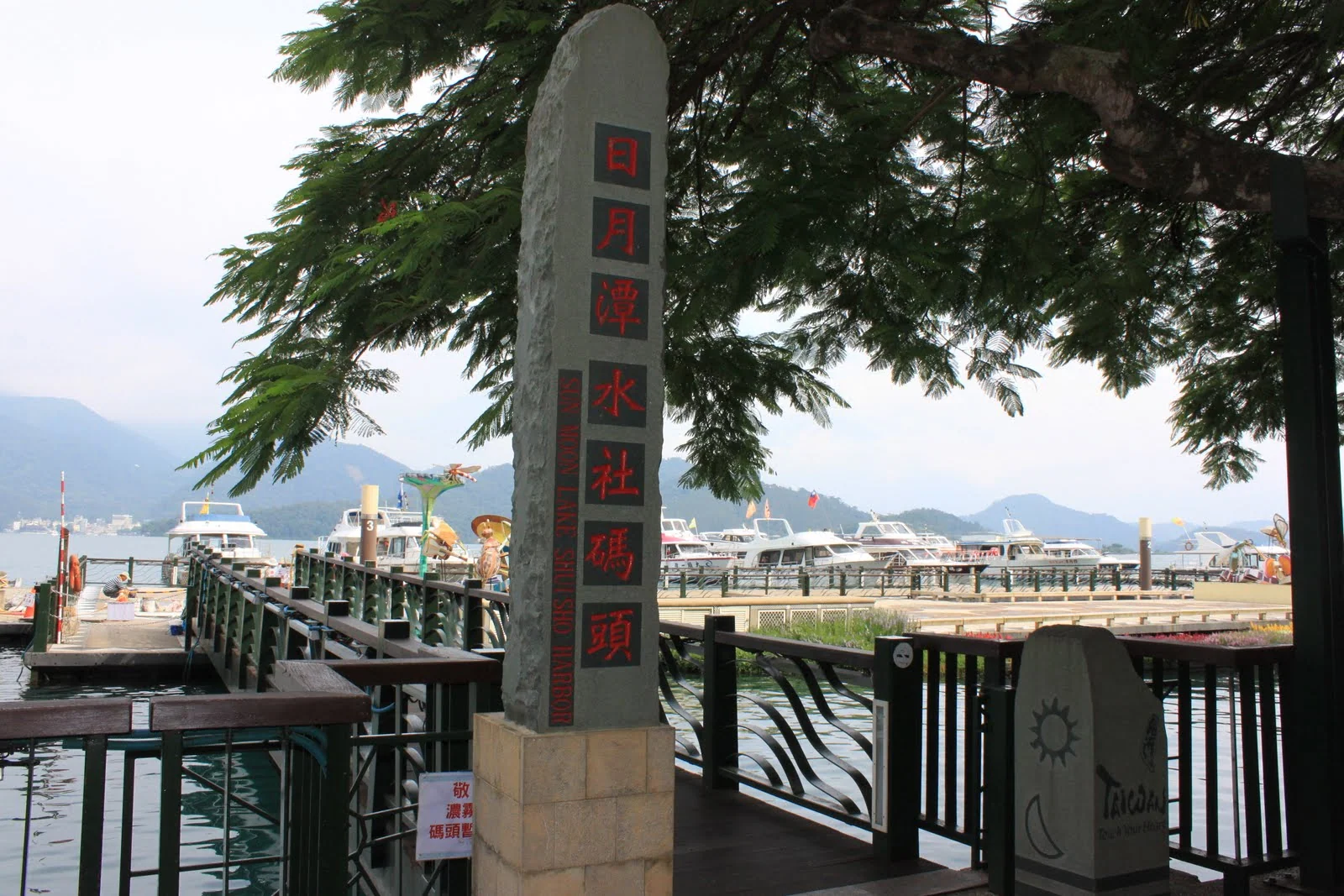
Why stay near Shuishe Pier?
After quite a bit of research, I decided that Shuishe was the place to stay. I had four reasons.
-
Convenient transportation
The lake boats stopped at Shuishe, Xuanguang Temple, and Ita Thao, while most accommodation was concentrated around Shuishe and Ita Thao. -
Well-planned lakeside trails
Shuishe Pier sat between two waterfront paths. The Shuishe trail led toward Chaowu Pier, while the Hanbi trail ran toward Meihe Garden and Shuishe Dam. The Lalu took its Chinese name from its location on Hanbi Peninsula. -
A good base for seeing the sunrise
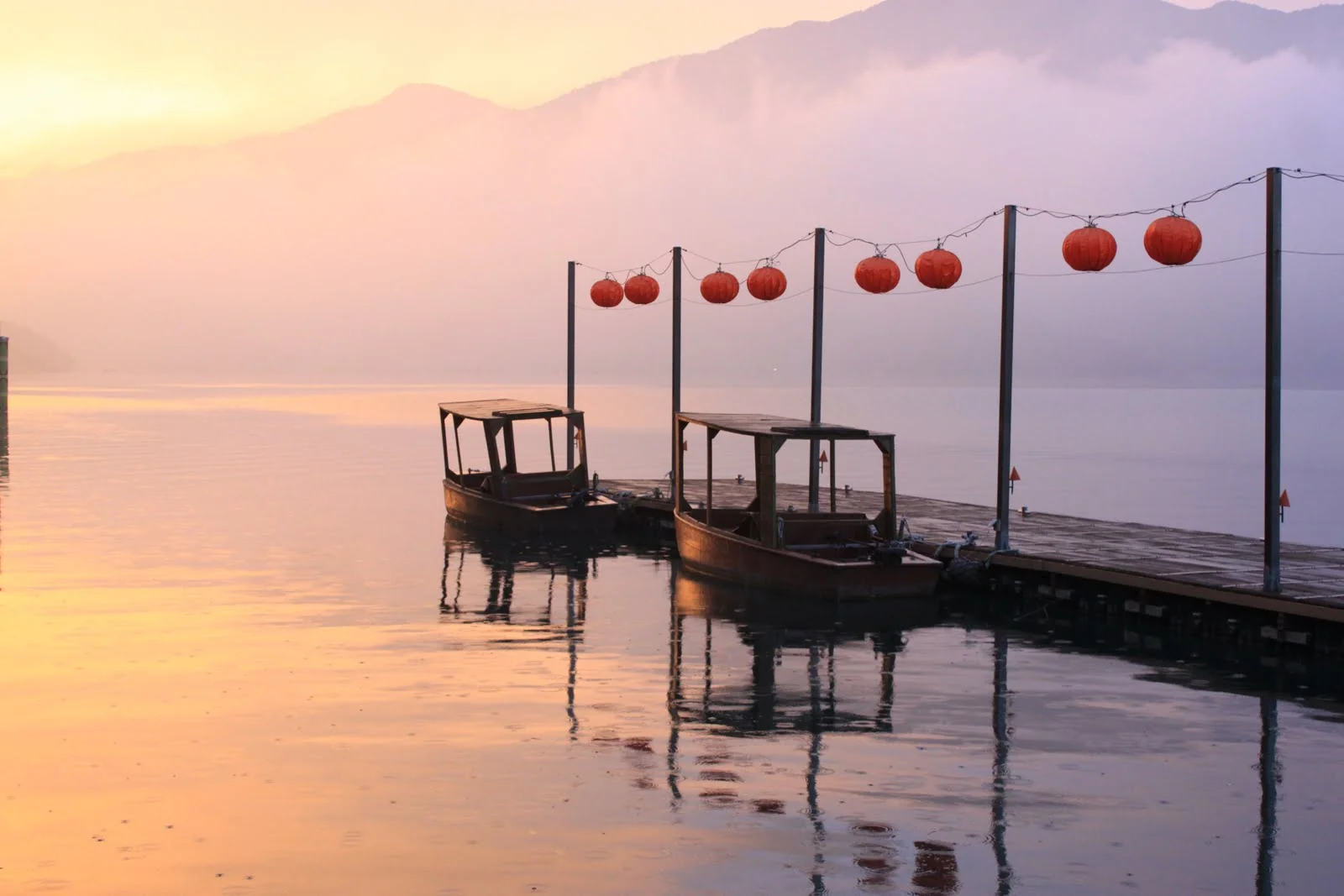
In summer, the sun rose to the front-left of Shuishe Pier. If you came all the way to Sun Moon Lake, took a boat ride, and then failed to get out of bed for a morning walk by the water, you might as well make one last effort and drive three hours home to sleep @.@'"The Hanbi trail was a fine place to watch dawn over the lake. After all, if the presidential retreat was built on Hanbi Peninsula, how bad could the setting possibly be?
-
Food within easy reach at night
There was a 7-ELEVEN and a Starbucks as soon as you entered Shuishe, with plenty of other shops along the street. No need to worry about going hungry late at night ^.^That evening, I suddenly felt like taking a bath. The 7-ELEVEN had no bath salts, but the pharmacy across the road stocked all sorts: ginseng, chamomile, chili, lavender... If I had kept digging, I might even have found aiyu jelly or grass-jelly flavors. Heh..heh...
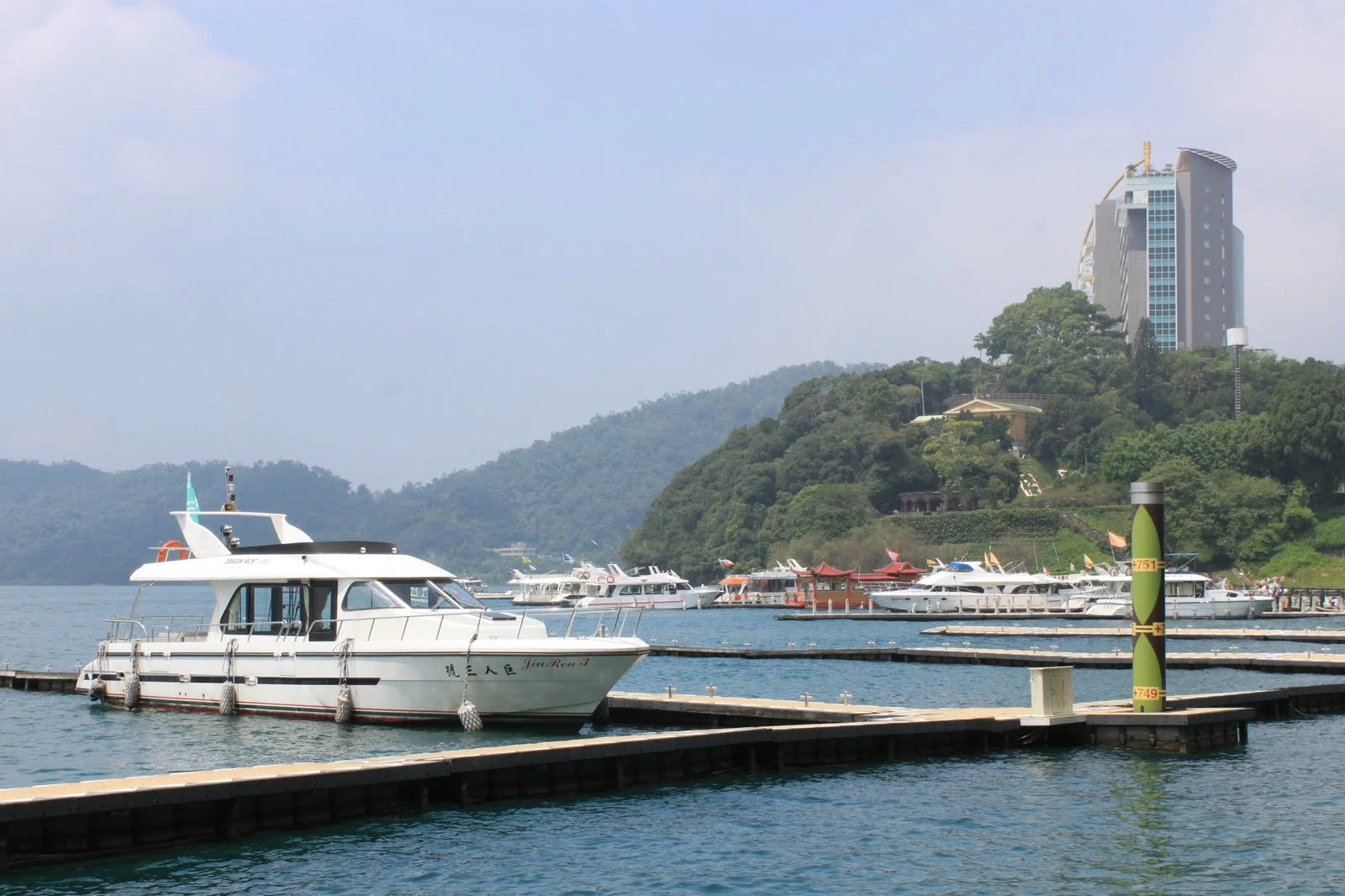
That is it for the planning overview. If you are interested, come along as we continue exploring Sun Moon Lake~~
Sun Moon Lake Travel Notes
- Planning and Overview
- Cable Car and Lake Tour
- Touring the Lake by Boat
- Staying at Del Lago
- Dawn on the Hanbi Trail
- Bonus: Miaoli Dahu Chocolate Resort
Further reading
- New Year's Day 2011 at Sun Moon Lake: Part 1 — Dawn and Sunrise
- New Year's Day 2011 at Sun Moon Lake: Part 2 — Cable Car and Lake Tour
Complete Photo Gallery
Previewing up to 8 album photos. Open the gallery to browse all photos.