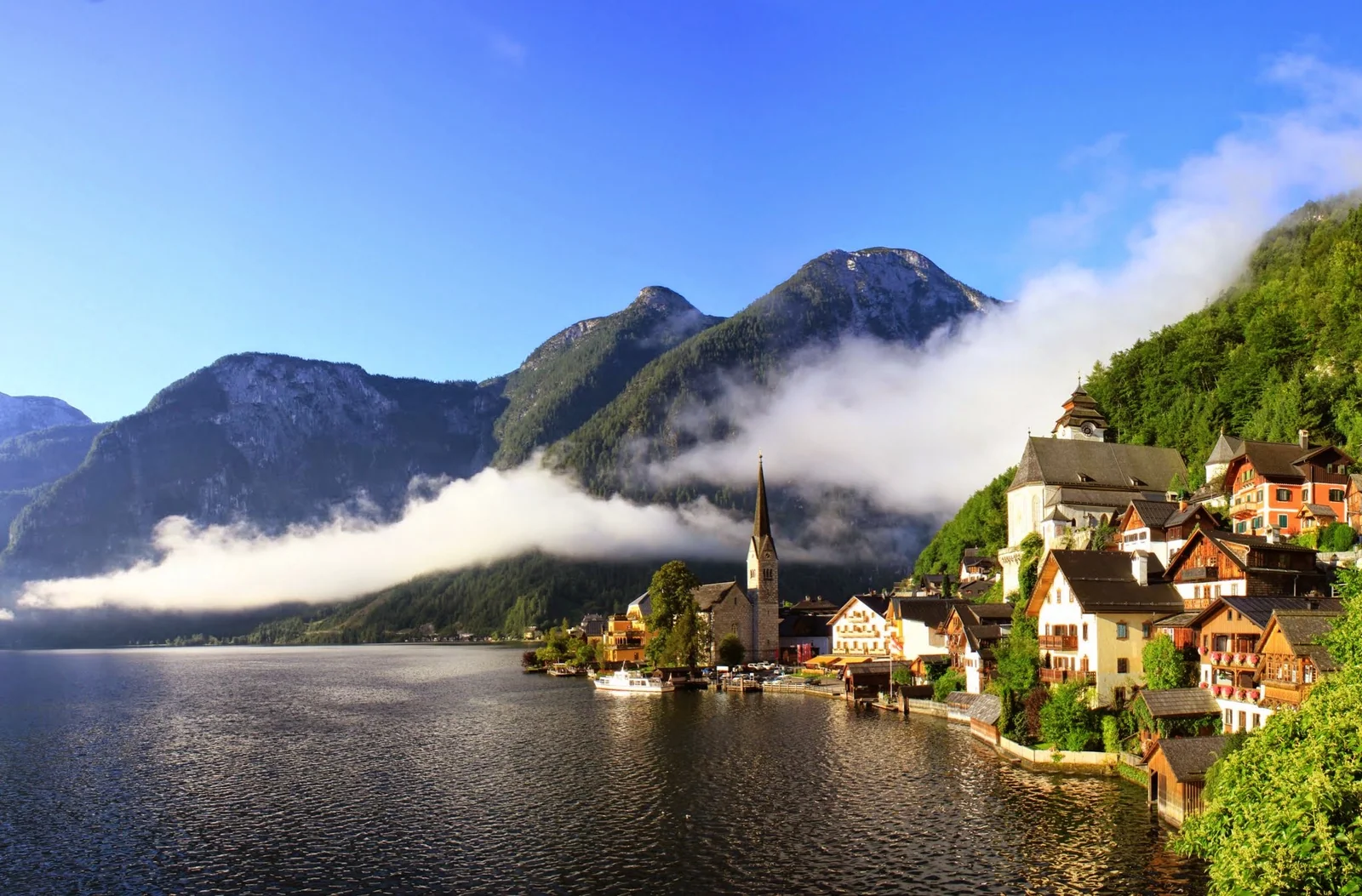
August 22, 2014. Off we go in pursuit of a dream—Austria with the kids.
Summer in Salzburg and an autumn or winter trip to see the northern lights had been on my wish list ever since we returned from our last family trip to Paris.
They say dreams are beautiful for a reason. Well, here I am, chasing another one.
Lisa and Belle were still young when we took them to Paris, so we stayed for only five short days. Yes, you may laugh at the idea of traveling that far for five days, but I refuse to admit it was silly.
I had actually planned six days. Somehow I thought that if we left Taiwan on Friday night, we would arrive in France on Friday morning. That was not how the time difference worked at all. By the time we reached Paris, it was a very real Saturday morning T.T
Go ahead and laugh—I’ll be over here running away in tears. This time I was not making the same mistake. I booked a full fourteen days, paying back the missing time twofold. Hahaha! (cold silence)
We had called the Paris trip our tenth-anniversary celebration. What excuse could we use this time? The question troubled me for ages—possibly longer than planning the itinerary itself.
After we came home, I finally settled on an answer: our twelfth wedding anniversary XD
This announcement was immediately condemned from all sides. How could such a flimsy excuse take so long to invent, and how did I have the nerve to say it out loud? (sweat)
Whatever. I have heard worse excuses. Whenever people listen to me brag about our travels, their eyes fill with longing, but usually the longing ends there. Honestly, talking gets you only so far. Just do it!
Putting the dream on a map
Planning an independent trip is not especially difficult. The key is deciding to go. I cannot make that decision for anyone, but I can share how I planned the itinerary.
Once I had chosen the general destination, I searched online for places to visit. In 2014, I often began with overview threads on Backpackers.com.tw, then searched Google for each place and read a couple of travel blogs. That was usually enough to decide whether it interested me.
For example, I found an underground lake south of Vienna. It sounded impressive, right? After reading two accounts, however, I thought it looked rather like the Zhaishan Tunnel in Kinmen—one natural, one man-made, but still…ha…
My first step was therefore simple: list everything that still looked appealing after a little research, open Google Maps, and mark every place on the map.
Flights, rooms, and the realities of traveling as four
Step two was booking the flights. When planning this trip in 2014, I used an airfare comparison tool that collected quotations from multiple travel agencies.
Even within economy class, airlines sold seats under booking codes such as K, L, B, M, and H, and the prices could differ considerably. A flight might release only a handful of seats in its cheapest bucket. Miss those, and you paid more for the next level up—which was still, of course, economy.
Being wait-listed was the worst. It left the entire trip hanging in the air. I found a website that displayed availability by booking class, checked it compulsively, and called to push the reservation whenever a seat appeared.
Step three was accommodation. I compared prices across booking platforms. Occasionally, an unfamiliar site offered a rate so low that the real question was whether I dared click “Book” @.@'"
In the end, I booked everything through Booking.com. At the time, it seemed to have stronger coverage in Europe. On one occasion, the rate for a room I had already booked dropped; after I called the Chinese-language service line, the difference was refunded quickly ^.^
A warning from personal experience: I saved my credit-card number on a website one morning and saw an unauthorized charge that afternoon T.T Fortunately, ANZ blocked it. I could not prove that saving the card caused the attempt, but it certainly made me more cautious with payment details afterward.
Accommodation could be painfully expensive when traveling in Europe with children. At the time, many hotels allowed only children under two to stay free. Older children required extra beds at roughly €10–35 each. Add two children and the charge could approach the cost of a quadruple room, even when the “family room” was effectively the same twin room. (tears)
After a determined search, I found that at least some Hilton, Novotel, and Holiday Inn properties or rate plans allowed children under eighteen to share their parents’ room without an extra bed. The actual terms depended on the individual hotel and booking.
We particularly liked Hilton Vienna Danube Waterfront. It stood in a quiet setting beside the Danube, about a five-to-eight-minute walk from the metro. For our family of four, a taxi from the airport cost roughly the same as airport transportation into central Vienna.
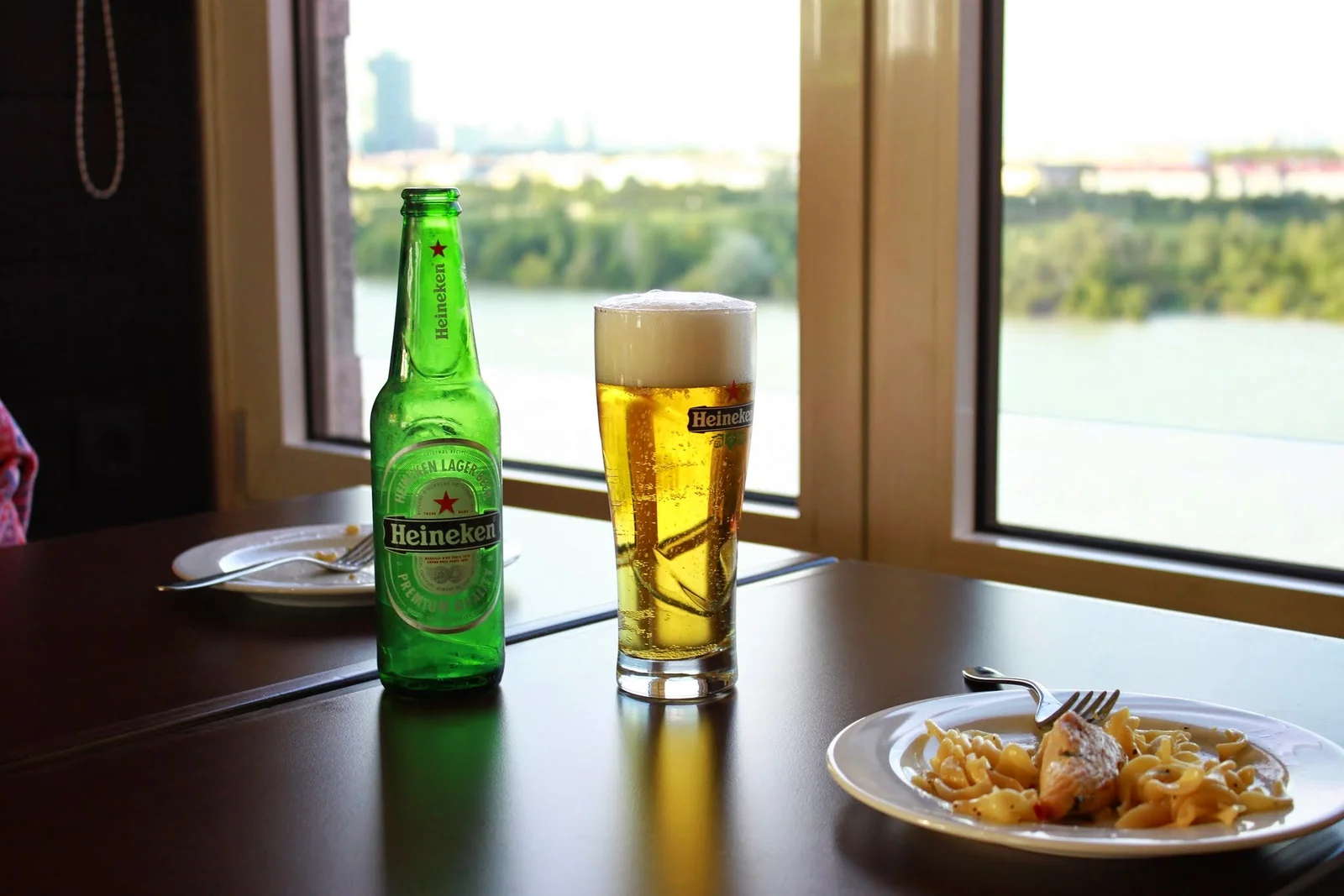
We booked an Executive Room. The modest upgrade—less than adding breakfast separately—gave us access to the Executive Lounge, with a continental breakfast, coffee, soft drinks, beer, wine, biscuits, snacks, and even simple spaghetti and meat dishes around dinnertime. In painfully expensive Vienna, that felt almost saintly. (flowers everywhere)
Insurance, cash, and the mystery of tipping
After those first three steps, you have probably spent quite a lot already ~.~'"
Next came insurance. Flights often had to be ticketed early, while non-refundable hotel rates were cheaper. Accepting those savings also meant accepting the risk that something could prevent the trip.
Before leaving in 2014, I compared travel medical and inconvenience insurance and chose an ACE policy. I was interested in its medical coverage and benefits for cancellation, curtailment, lost documents or luggage, and flight or baggage delays.
I used to buy insurance from “Taiwan Ah-Long” at the airport, then carry two “Ah-Longs” around the world and bring them home again @.@'" This time, the price was similar and the inconvenience coverage looked better, so I bought it in advance.
Cards were already widely accepted, but I still carried a little cash. Parking machines, roadside stalls, and souvenir vendors sometimes accepted cash only. For something small, such as a €2 bottle of Coke—and yes, that was an ordinary price—it was also easier to reach into a pocket than produce a card.
Tipping had always confused me. Where was it expected, where was it unnecessary, and how much avoided giving offense? My approach on this trip was personal: I left cash when a porter carried our luggage or when I genuinely wanted to thank a particular member of staff.
The smallest euro banknote was €5, while using coins somehow felt odd to me. Before departure, I therefore exchanged money for twenty one-dollar US bills and used those when an occasion arose. The US dollar really is useful XD Tipping customs, suitable currencies, and appropriate amounts vary by place, however; this was simply how I handled it then.
Weather, transportation, and our daughters’ elegant mornings
By now you are probably wondering: after all this chatter, are we leaving yet?
Soon—but not yet.
Once the itinerary was ready, its execution still depended on whether the heavens cooperated. In other words: weather!
There is an old saying that no one can stop the rain from falling or someone’s mother from remarrying. We could not control the rain, but surely we could dodge it. (determined fist)
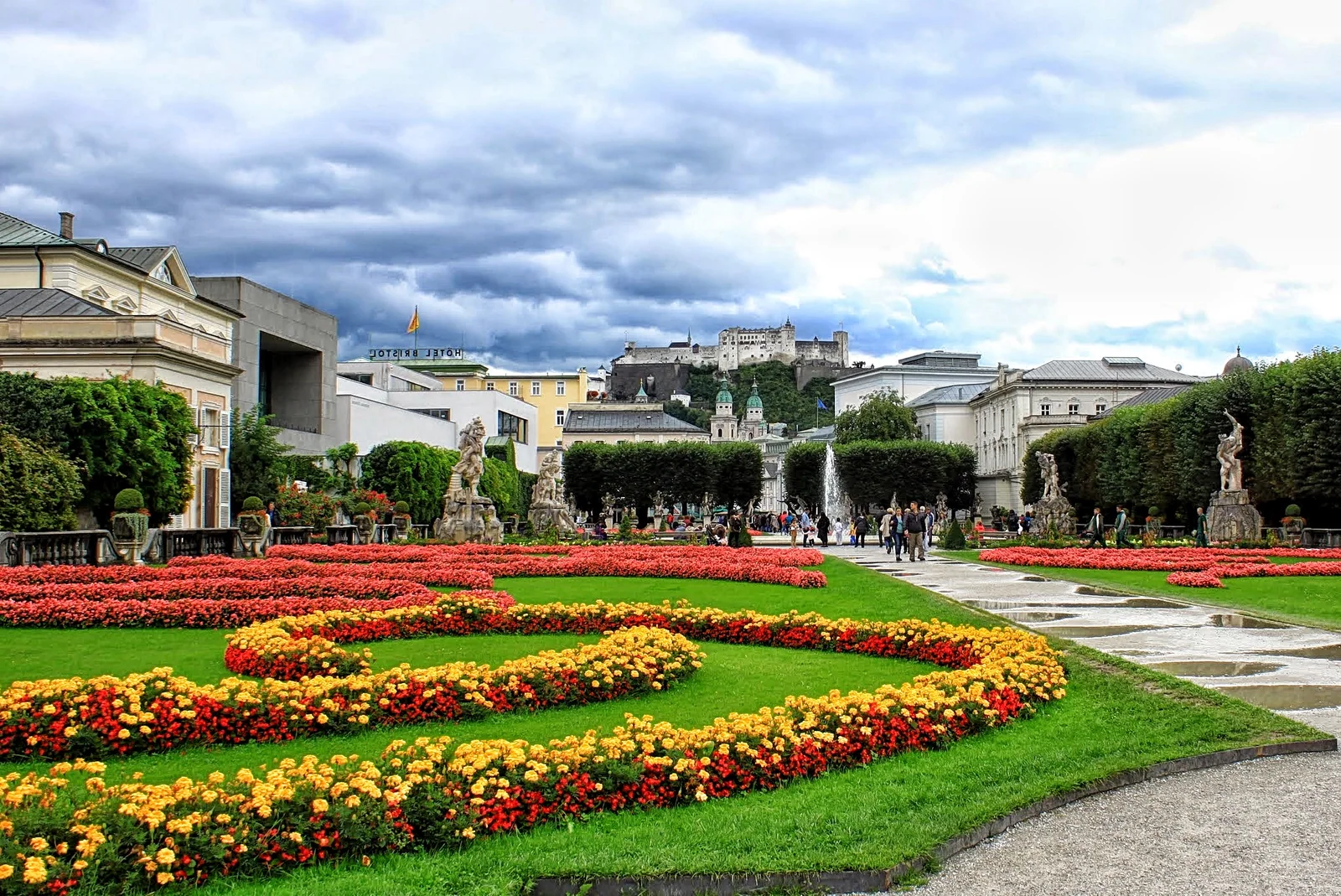
Before departure, I checked weather.com and AccuWeather and rearranged the itinerary accordingly. If two of our five days in Salzburg looked rainy, for example, I could place the fortress, Mozart’s birthplace and residence, Mirabell Gardens, and Getreidegasse on those days. A long-range forecast was hardly certain, but it was useful for preparing alternatives.
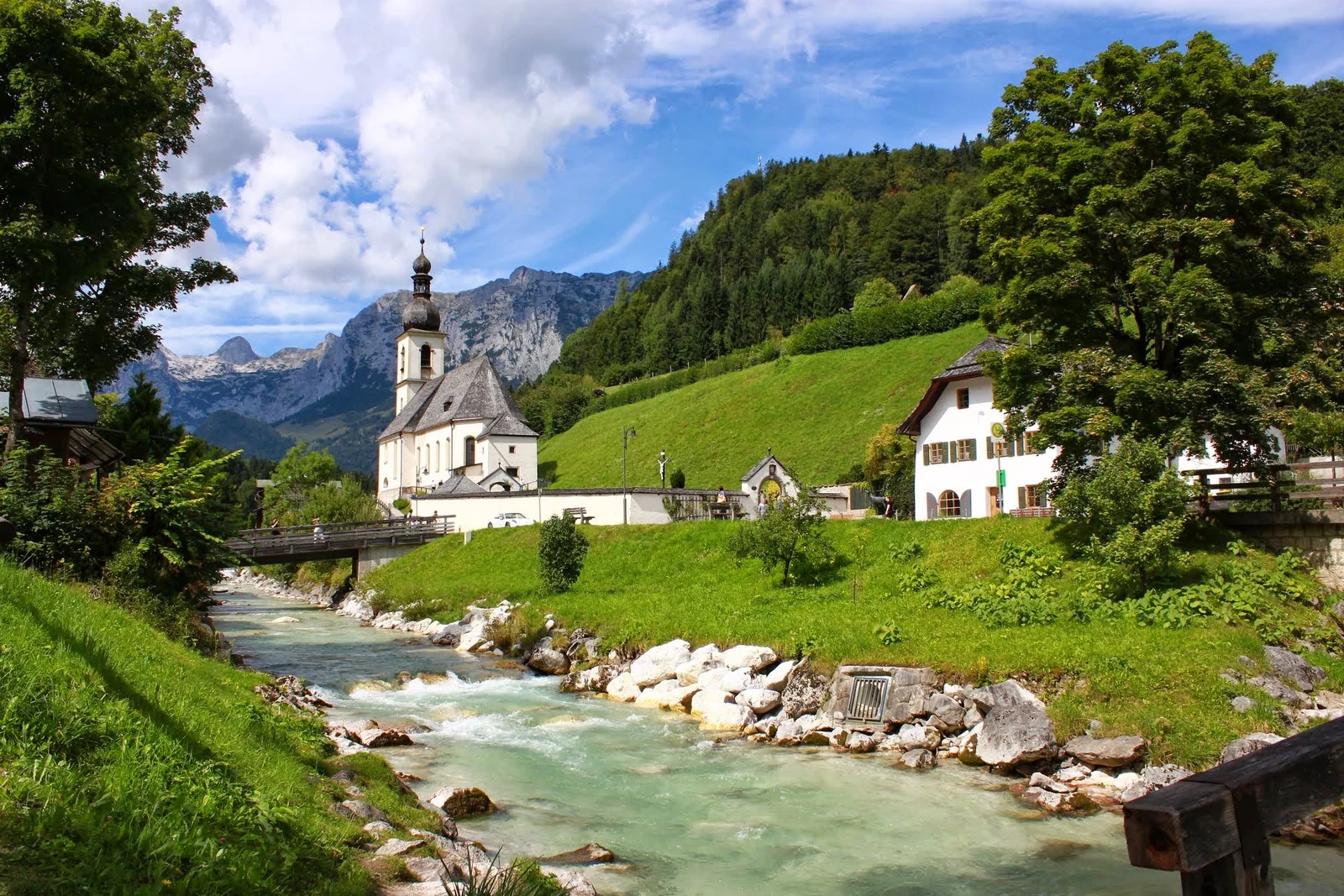
Is it too late to discuss local transportation just before departure? (tongue out)
For international travel with children, I prefer staying in one base and using buses or the metro for day trips. Trains were more troublesome because missing one could mean a long wait.
Given the way our three young ladies spent each morning “lazily”—I mean, elegantly—attending to their appearance, we could confidently expect to miss at least three of my intended trains. (dizzy)
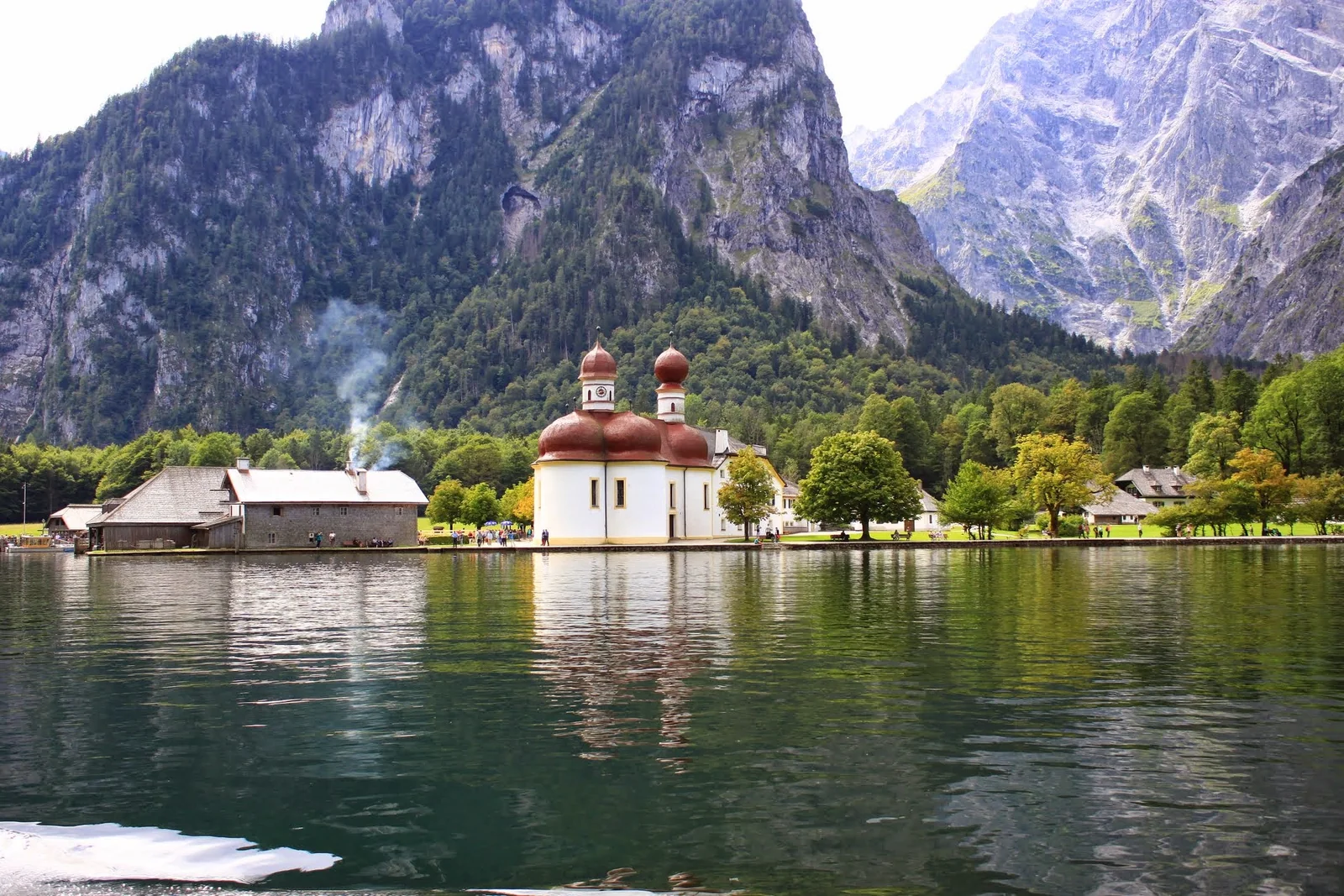
This trip would cover Vienna, Salzburg, Venice, and the surrounding areas. According to the argument above, relying on trains would be asking for trouble. Unless we traveled by horse-drawn carriage, renting a car seemed the remaining option.
I compared Hertz, Avis, Europcar, Budget, and Sixt. Many travel accounts for Germany and Austria recommended Sixt, and a similar budget appeared more likely to produce a Mercedes-Benz or BMW. If the price was the same, then safety, performance, and style clearly demanded the BMW. (fireworks)
Manual transmissions were common in European rental fleets. Anyone wanting an automatic needed to confirm it carefully—or risk returning home in tears. Renting a navigation unit also cost extra per day, so my 2014 solution was to bring an iPad, prepare maps, and buy a local SIM for mobile data.
In Melk, I found a T-Mobile store and paid €9.90 for a SIM plus €10 for 10GB of data. The painful lesson came when we crossed into Italy: that Austrian plan provided no roaming data there. I took the wrong exit near Mestre before Venice and, without navigation, kept driving north in a hopeless loop. (two streams of tears) T.T
That was our 2014 experience with 3G and the roaming rules of the time.
We had the car. Unfortunately, I could not start it.
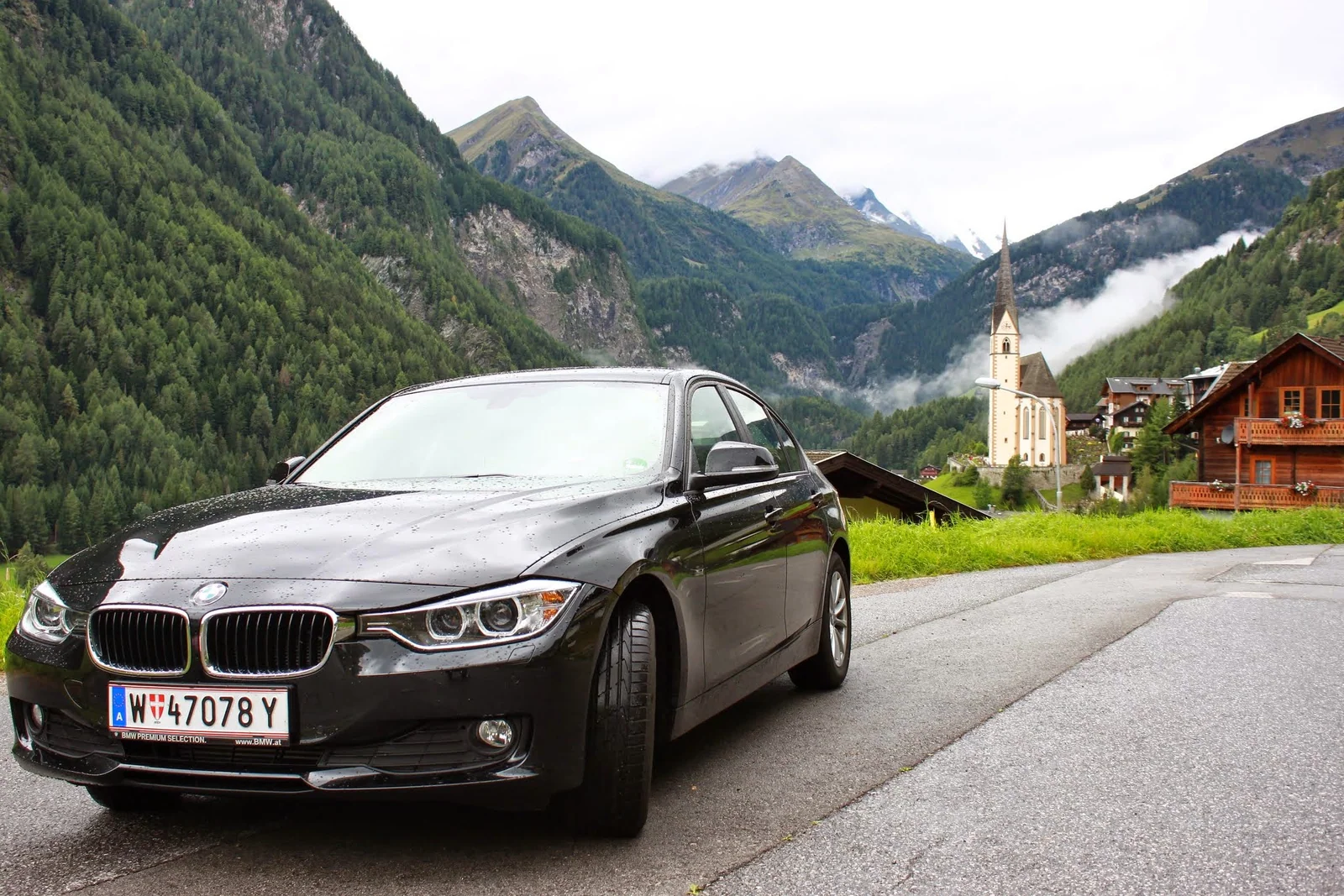
All right, we had the rental car.
There was just one problem: I could not start it @.@'"
Manual transmission plus Push Start. I pressed Start and the electronics came on, but not the engine. I pressed it again and everything switched off. (sweat) After seven or eight rounds, I gave up and prepared to go upstairs for help. Then I pressed the clutch and brake together, pushed Start once more, and—vroom, vroom—the engine came alive. (dizzy)
At last, we could move. I drove up from B2, became lost on B1, and passed the turn. Fine. Reverse…
Reverse?! It was a six-speed manual. I could see R to the left of first gear, yet every attempt put the car into first. (shock!)
I hurriedly searched for instructions on engaging reverse in a six-speed manual and felt rather pleased with my resourcefulness. (smug) One person said there would be a collar on the gear lever. Not on this car. Another said to pull the lever upward. It would not move. Someone else said to push it down. Still nothing! (sob)
In the end, I went upstairs for help. On this BMW, I had to push the lever left and then apply a little more force to move it farther left into reverse. (sigh) We spent nearly half an hour in the parking garage T.T
I will not mention how long I later spent searching for the fuel-door release. (angry) There was no release. You simply pressed the fuel door and it opened >.<
Food, water, and the sparkling bottles left in our car
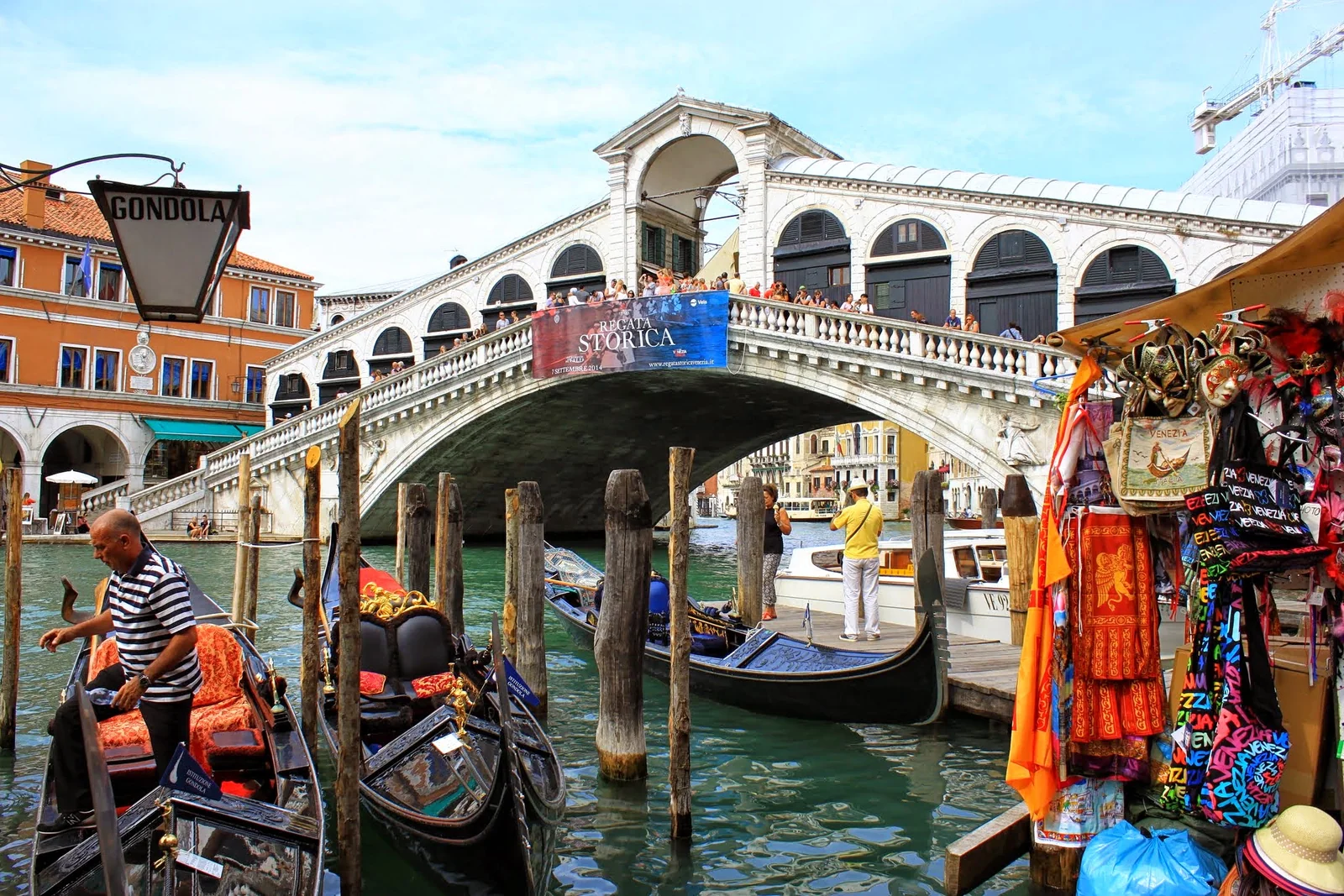
Be careful with food and water while traveling. Whether your digestive system stops entirely or refuses to stop, the result is miserable.
My personal opinion of the food on this trip was not especially flattering. We ate a large hotel breakfast, managed with sandwiches, pizza, or burgers at lunch, and occasionally paid for a proper dinner. Expensive meals were usually decent, but every day cannot be a holiday feast.
The meal with the best cost-to-satisfaction ratio turned out to be…a bowl of Uni-President Man Han instant noodles. (fireworks)
I can say this loudly: Taiwan has all the world’s best inexpensive food. (cheers) As for that recycled cooking-oil scandal…something like that happens only once in thirty years. Every forest has a few strange birds. Hardly worth mentioning… (guilty) (cold sweat)
Let us change the subject quickly and talk about water.
Traveling for this many days was physically demanding. The two complimentary hotel bottles disappeared in a few gulps, while a 600 ml bottle outside could easily cost at least one euro—almost more than petrol. (outrage)
We began buying 1.5-liter bottles at supermarkets, where a pack of six cost about €2.50. The important detail was that Europeans liked sparkling water. It did not cost more, but we were not used to it. I would ask the shop assistant, “No GAS?!” and refuse to buy unless they repeated “No gas.” Several unopened mistakes were still riding around in our car. (covers face)
Ending
All right, all right—I have rambled long enough. To everyone who made it this far, you have my sincere thanks.
I will add the rest of the travelogue when time allows. To be continued…Coming Soon~
Chasing a Dream—Austria with the Kids
- Day 1: Café Central, the Hofburg, and St. Stephen’s Cathedral
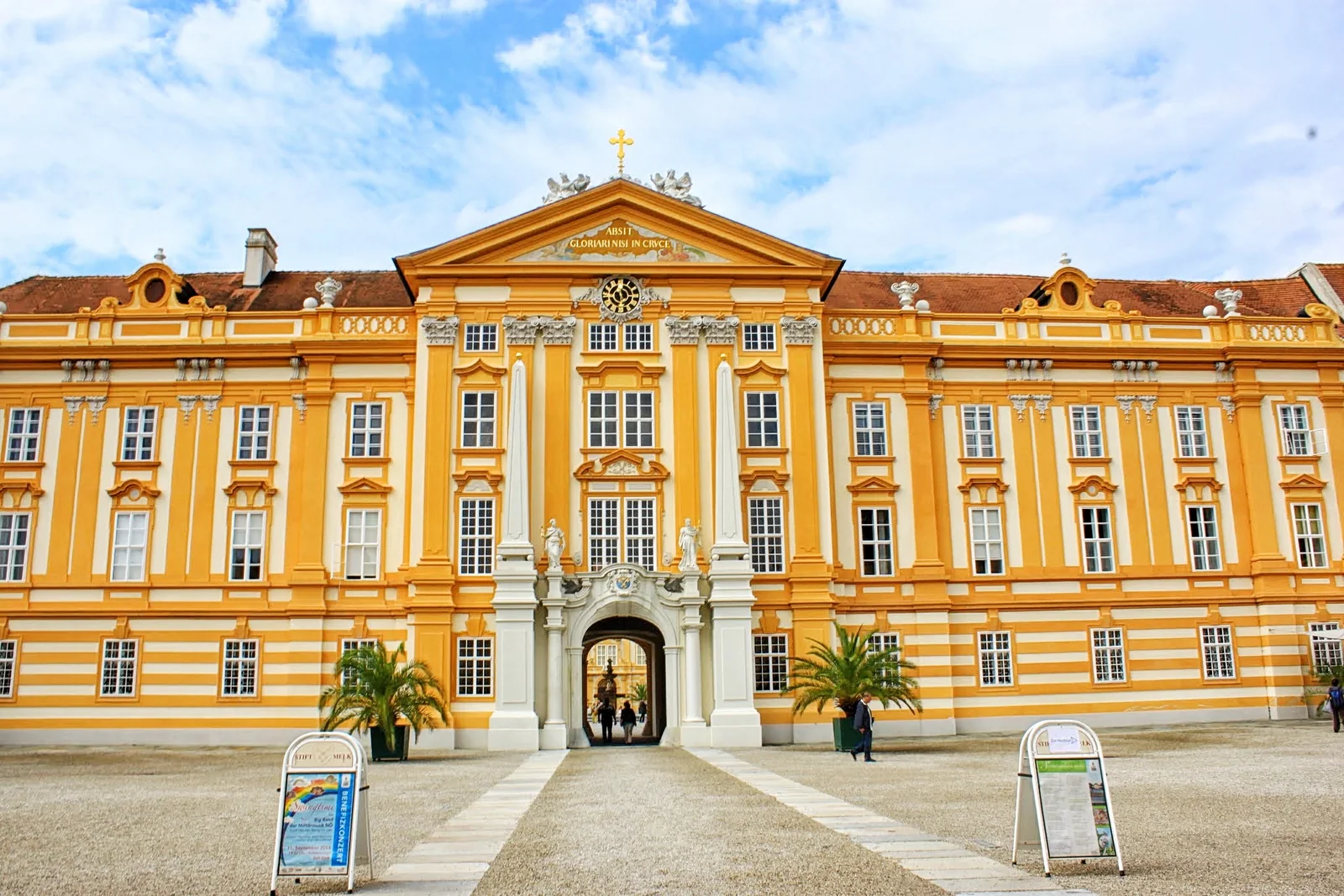
- Day 2: The Wachau Valley—Melk Abbey
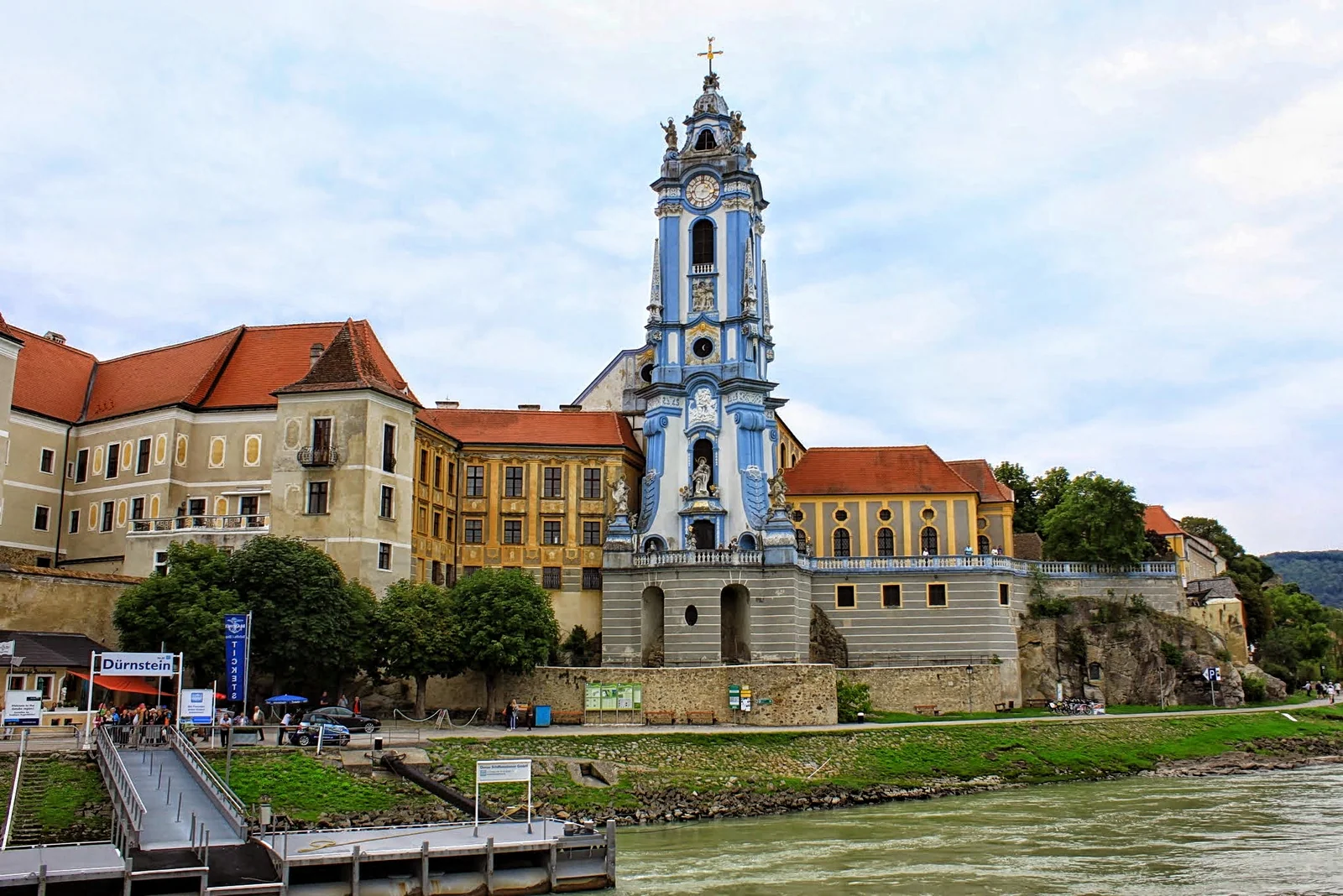
- Day 2: The Wachau Valley—the medieval town of Dürnstein
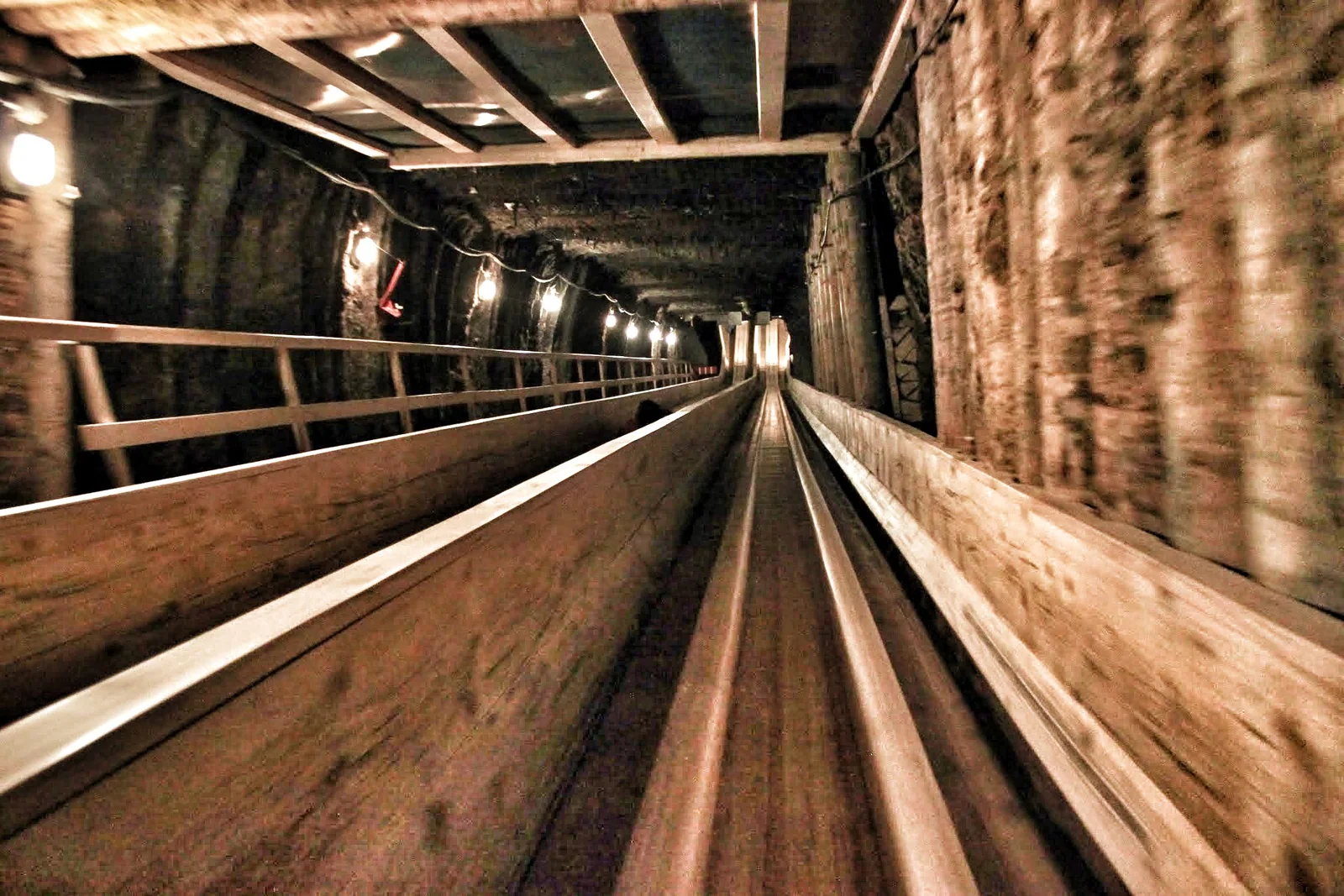
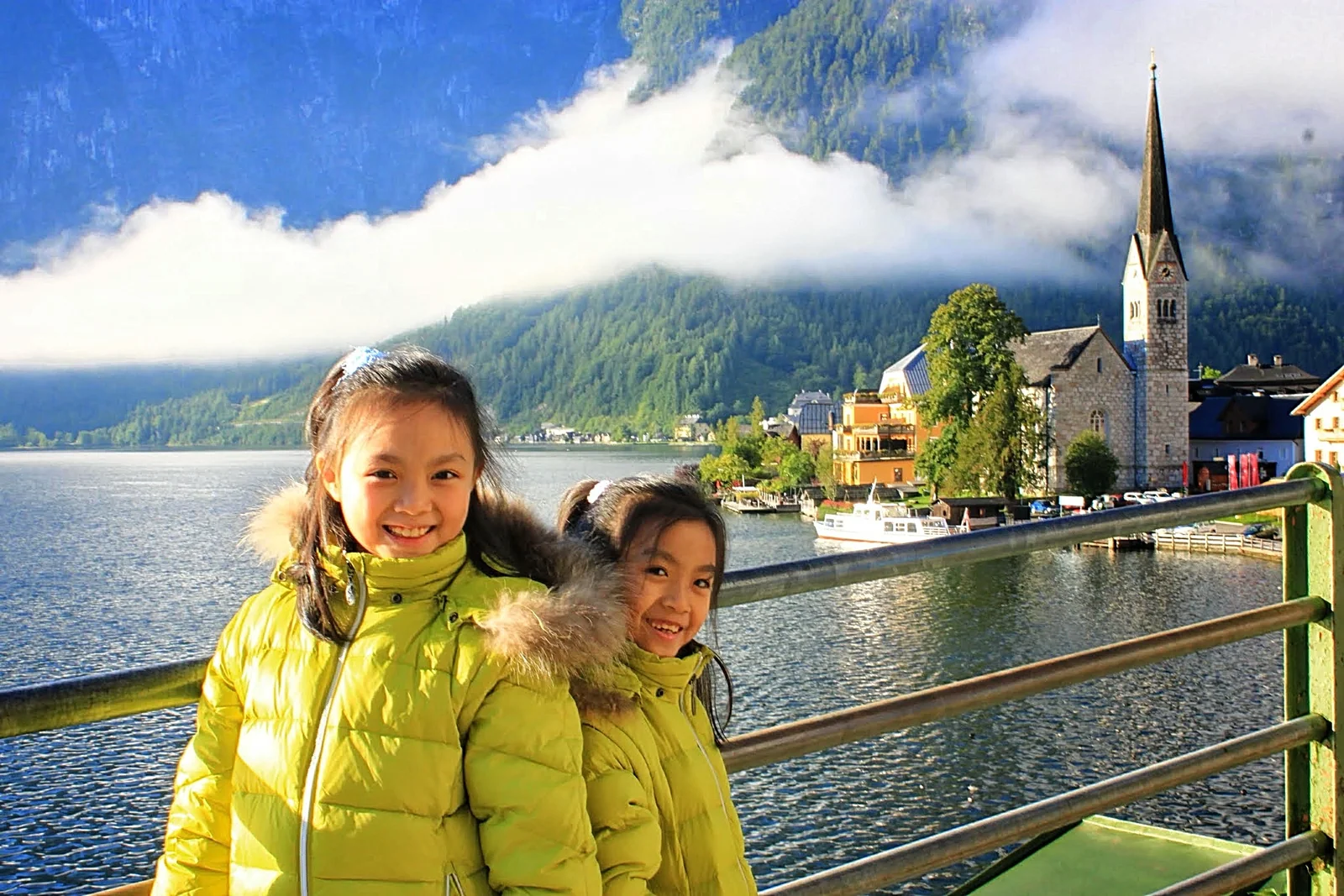
- Day 3: Hallstatt and its historic salt mine
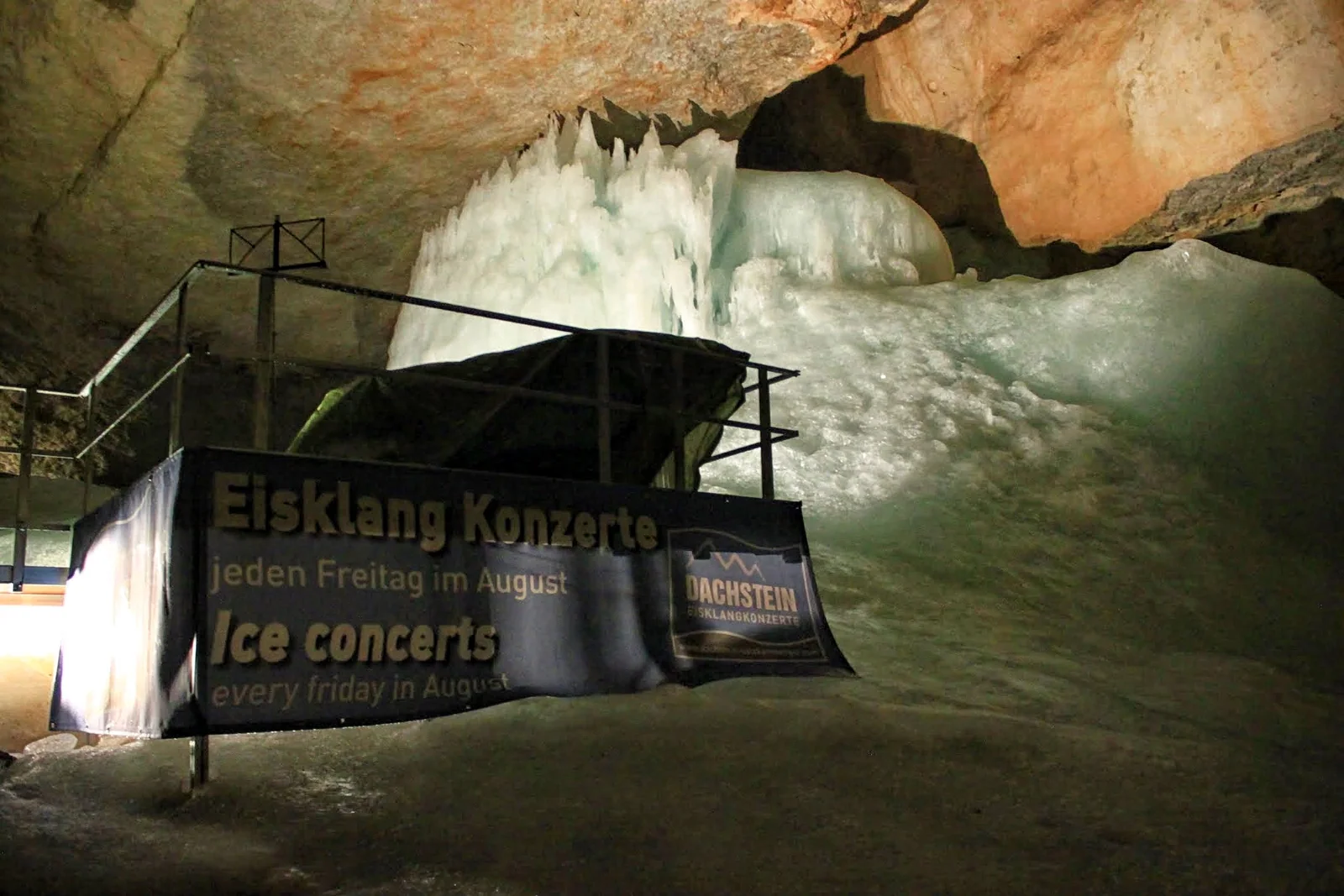
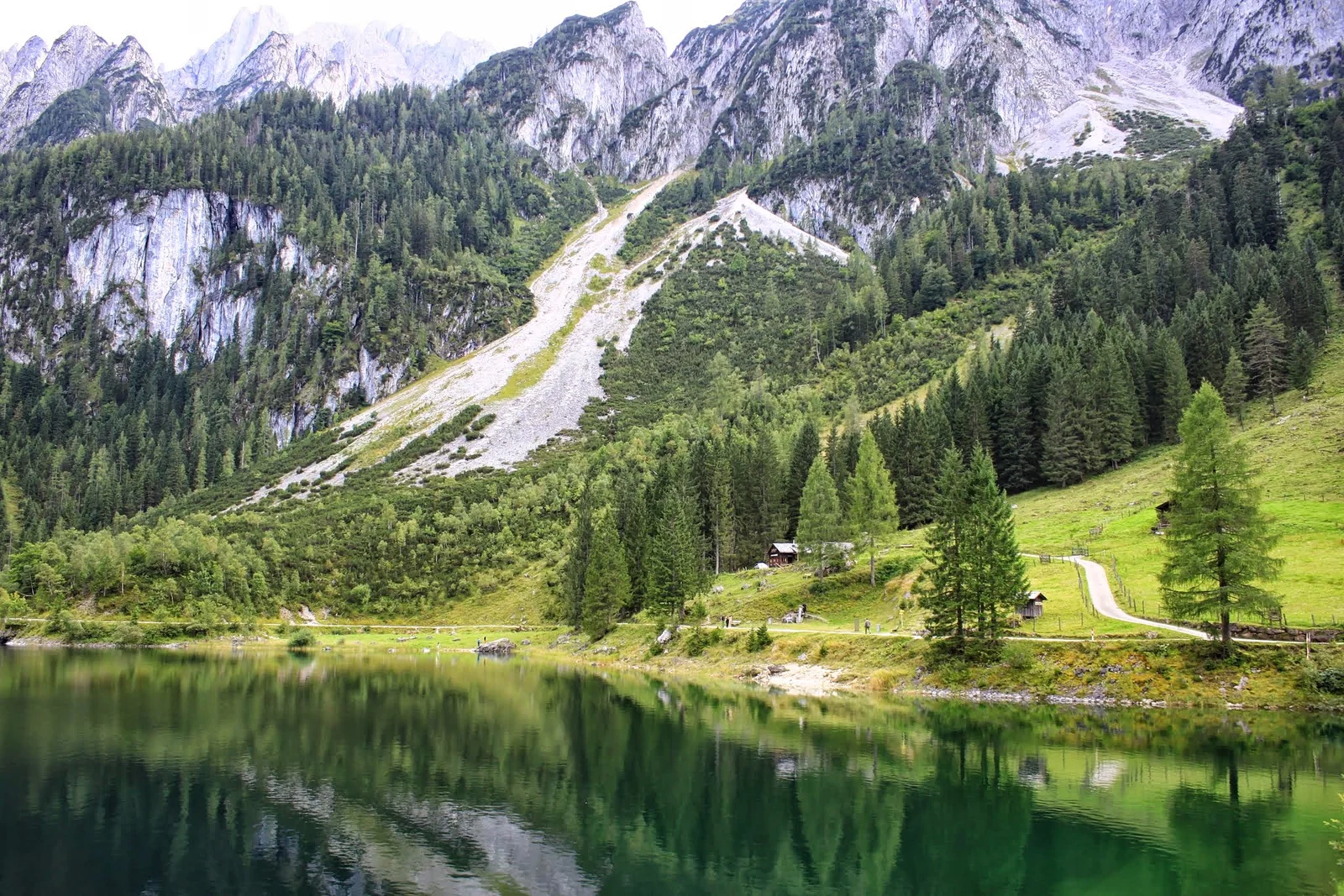
- Day 4: Hallstatt at dawn, the ice cave, and Gosausee
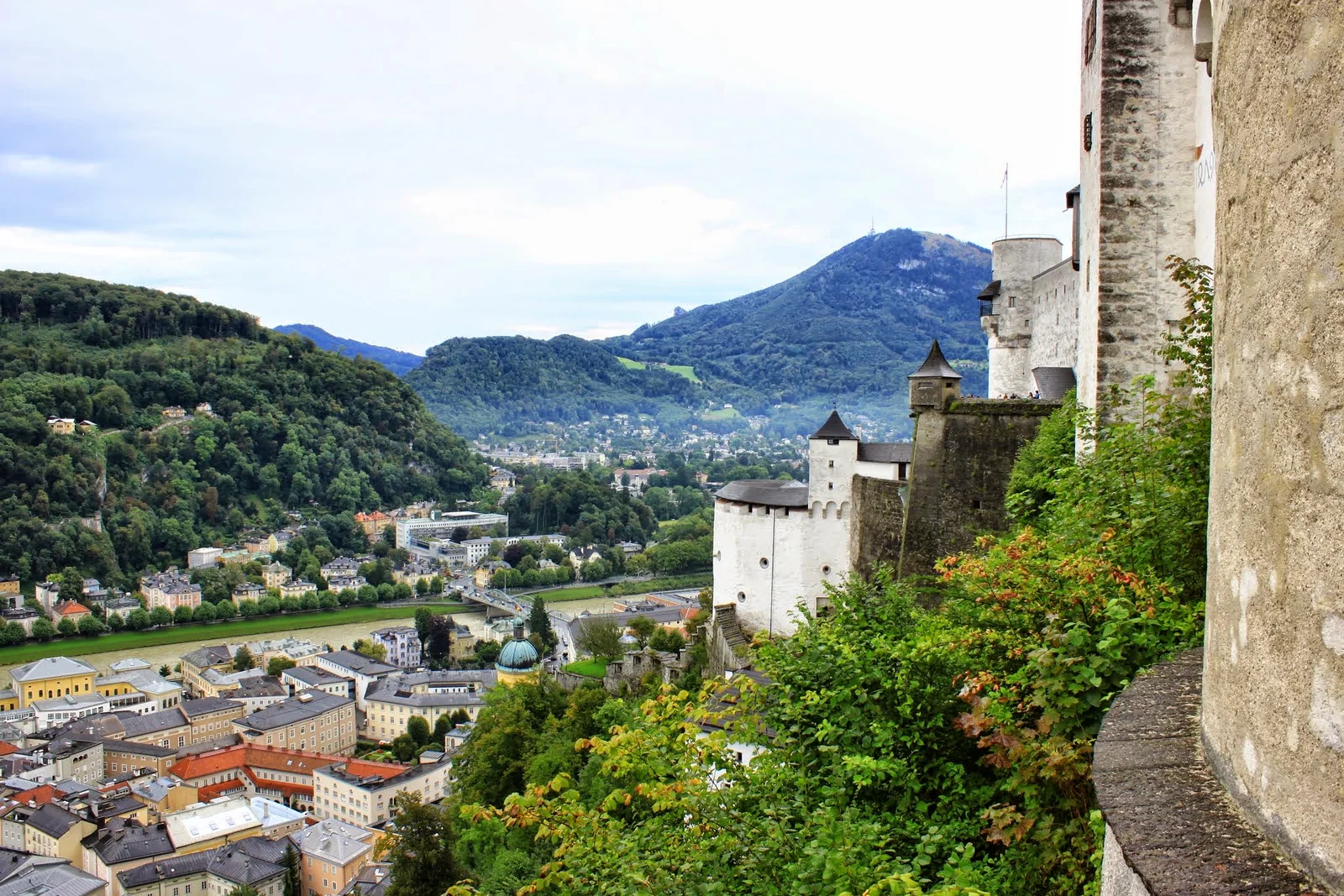
- Day 5: Hohensalzburg Fortress and Salzburg’s old town
- Day 6: Rain and exhaustion—sleeping at the hotel, then an afternoon in the old town (tears)
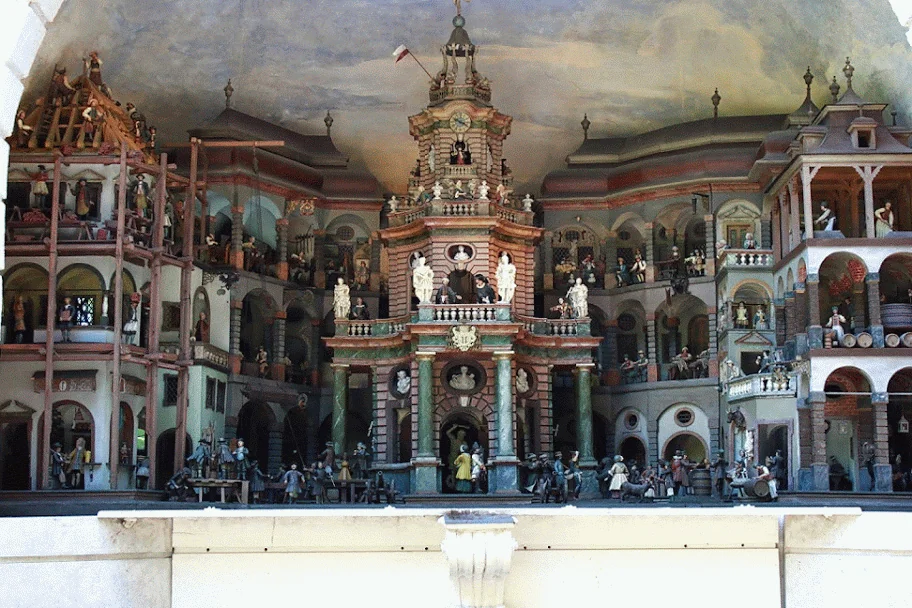
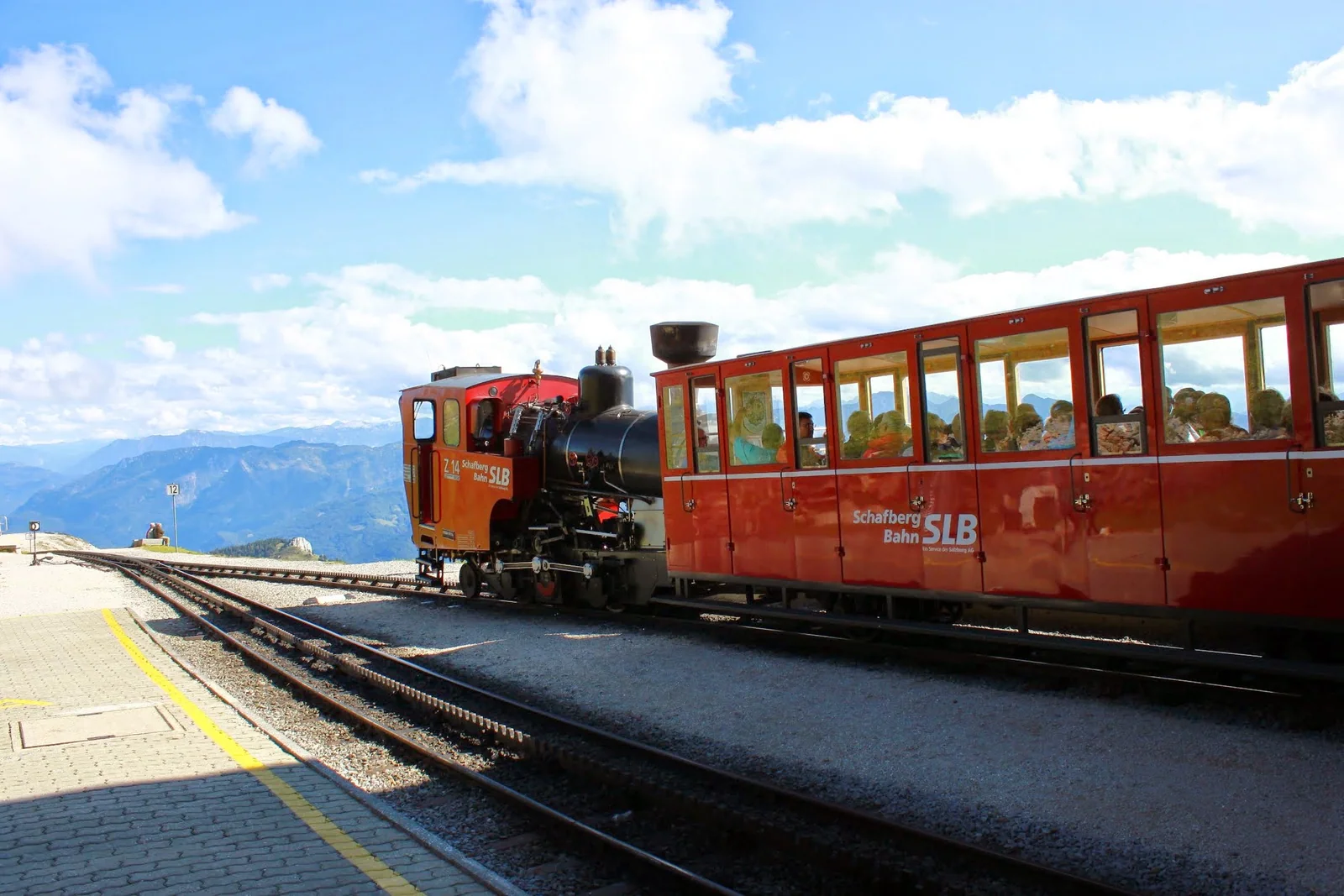
- Day 7: Hellbrunn Palace, St. Wolfgang, and the Schafberg Railway
- Day 8: Ramsau, the Magic Forest, and Königssee in Germany
- Day 9: Heiligenblut and its church
- Day 10: Venice and Murano—the colorful island remained out of reach T.T
- Day 11: Café Landtmann in Vienna
- Day 12: The Golden Hall at the Wiener Musikverein
For more, see the older posts Let’s Go to Paris—Planning the Trip and Why Does a Honeymoon Have to Be in Europe?
Complete Photo Gallery
Previewing up to 8 album photos. Open the gallery to browse all photos.